Gardening Made Simple.

Imagine stepping outside your door and harvesting fresh vegetables, vibrant flowers, or fragrant herbs every single season. Home Gardening Tips for Year Round Success can help you grow healthy plants and enjoy a productive garden no matter the time of year.
With the right home gardening tips, you can enjoy a thriving garden all year long. You’ll discover simple, effective strategies that fit into your busy life and bring your garden to life no matter the weather. Ready to turn your home into a green paradise?
Keep reading—your garden success starts here.
Choosing the right plants is key to a successful home garden all year. It helps your garden stay healthy and vibrant through every season. The right plants fit your climate, soil, and sunlight. This choice saves time and effort in care. It also boosts your garden’s beauty and yield. Understanding what plants suit your space makes gardening easier and more fun.
Pick plants that thrive in each season’s weather. In spring, try cool-weather crops like lettuce and peas. Summer suits heat-loving plants such as tomatoes and peppers. Fall works well for root vegetables and leafy greens. Winter needs hardy plants like kale and certain herbs. Rotating plants by season keeps your garden full and healthy.
Native plants adapt well to local conditions. They need less water and care. Native plants also support local wildlife and insects. Exotic plants can add color and variety. They may need more attention and special soil or watering. Choose native plants for easy growth. Pick exotics if you want a unique look and can meet their needs.
Annuals live one season and bloom fast. They give quick color and change your garden yearly. Perennials return every year with less work. They create a strong garden foundation. Mix annuals and perennials for steady blooms and variety. This balance keeps your garden lively and interesting all year long.

Good soil is the foundation of a healthy garden. Preparing soil well and using proper fertilization helps plants grow strong all year. Healthy soil holds water, air, and nutrients for plants. It also supports beneficial organisms that keep plants safe from diseases.
Understanding your soil’s condition helps you choose the right fertilizer and amendments. This care makes your garden more productive and easier to manage.
Start by testing your soil. Simple kits or local labs can check pH and nutrient levels. Knowing soil acidity helps pick suitable plants and fertilizers.
Add lime to raise pH or sulfur to lower it. Mix organic matter like compost or manure to improve texture and nutrient content. Avoid compacted soil by loosening it with a garden fork or tiller. Well-prepared soil drains better and lets roots breathe.
Organic fertilizers come from natural sources like plants and animals. They release nutrients slowly and improve soil health over time. Examples include bone meal, fish emulsion, and compost.
Synthetic fertilizers provide nutrients quickly and are easy to apply. They may not improve soil structure and can harm beneficial microbes if overused. Choose fertilizers based on your garden’s needs and soil test results. Use them carefully to avoid plant stress or pollution.
Composting turns kitchen scraps and yard waste into rich soil food. It reduces waste and adds valuable nutrients back to the garden.
Start a compost bin or pile in a dry, shady spot. Add green materials like vegetable peels and grass clippings with brown materials like leaves and straw. Turn the pile regularly to speed up decomposition. Finished compost looks dark and crumbly and smells earthy. Mix it into your garden soil to boost fertility naturally.
Watering is key to keeping your garden healthy all year. Proper watering helps plants grow strong and resist pests. It also saves water and avoids plant stress. Understanding the best watering methods can make your garden thrive no matter the season.
Water plants early in the morning or late in the evening. This reduces water loss from evaporation. Most plants need water two to three times a week. Adjust based on weather and soil type. Sandy soil dries fast, so water more often. Clay soil holds water longer, so water less.
Drip irrigation delivers water directly to plant roots. This method uses less water than sprinklers. It keeps leaves dry, reducing disease risks. Drip systems save time and effort in watering. They work well for vegetable gardens and flower beds.
Check soil moisture before watering your plants. Stick your finger about an inch deep into the soil. If it feels dry, it’s time to water. Overwatering can cause root rot and kill plants. Underwatering makes plants wilt and stop growing. Balance is the key to healthy plants.

Pest and disease control is key to a healthy garden all year. Pests and diseases can damage plants quickly. Knowing how to spot and handle them helps plants grow strong. Simple steps can keep your garden safe and thriving.
Many pests attack home gardens. Aphids, caterpillars, and slugs are common enemies. Aphids suck plant juices, making leaves curl and wilt. Caterpillars chew holes in leaves and fruits. Slugs leave slimy trails and eat tender plants. Identifying these pests early stops major damage.
Natural remedies protect plants without harsh chemicals. Spraying water with mild soap removes aphids. Handpicking caterpillars keeps their numbers low. Beer traps catch slugs effectively. Planting herbs like basil or mint helps repel pests. These remedies keep your garden safe and eco-friendly.
Disease prevention starts with clean tools and healthy soil. Avoid overwatering, which causes root rot and mold. Space plants properly for good air flow. Remove dead or infected leaves quickly. Crop rotation helps stop disease buildup in soil. Healthy plants resist diseases better and grow well.
Seasonal garden maintenance keeps your garden healthy all year. Each season needs different care. Knowing what to do helps plants grow strong. It also prevents disease and pests. Follow simple steps for every season to enjoy a beautiful garden.
Spring is the best time to plant new flowers and vegetables. The soil warms up, making it perfect for seeds. Prune dead branches from trees and shrubs. This helps plants grow fresh leaves and blooms. Remove old leaves and weeds to give space for new growth. Water plants regularly but avoid overwatering.
Summer can be hot and dry. Water plants early in the morning or late at night. Mulch around plants to keep soil moist and cool. Check for pests like aphids and caterpillars. Remove damaged leaves to stop disease spread. Support tall plants with stakes or cages to prevent falling.
In fall, clean up fallen leaves and dead plants. Compost them to enrich your soil. Plant bulbs that bloom in spring. Protect sensitive plants with mulch or blankets before frost. Reduce watering as plants slow down. Prune trees carefully to avoid damage during winter storms.
Maximizing space and yield in home gardening helps you grow more food in less area. Small yards or balconies can still produce plenty with smart planning. Using every inch wisely makes your garden productive all year.
Focus on smart techniques that fit your space and plant needs. These methods improve growth and harvest without crowding plants. Healthy plants grow stronger and give better crops.
Choose containers with good drainage holes to avoid water buildup. Use lightweight pots for easy moving. Select soil designed for containers to keep plants healthy. Plant herbs, lettuce, and small vegetables in pots. Group pots by sunlight needs for simple care. Rotate containers to balance sunlight and growth. Water containers regularly, as they dry faster than ground soil.
Use trellises or wall-mounted planters to save floor space. Grow climbing plants like beans, peas, or cucumbers upwards. Hang baskets for strawberries or trailing herbs. Vertical gardens help improve air flow and reduce pests. Stack pots on shelves or use tiered plant stands. Vertical gardening is ideal for balconies or small patios.
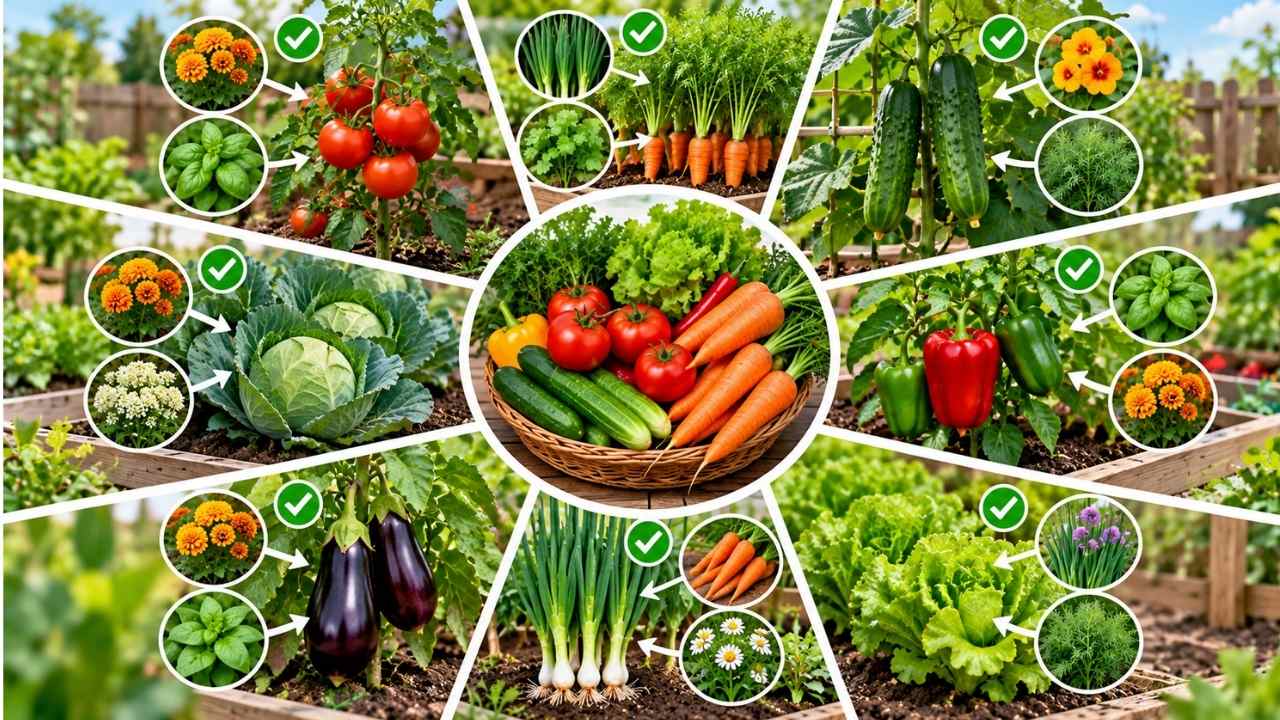
Plant vegetables that help each other grow side by side. For example, tomatoes grow well near basil and carrots. Some plants repel pests, protecting neighbors naturally. Use marigolds or nasturtiums to keep bugs away. Companion planting improves soil health and plant growth. Mix flowers and vegetables to attract pollinators. This method increases yield without extra space.
Having the right tools and equipment makes home gardening easier and more fun. Tools help you plant, water, prune, and harvest with less effort. Good equipment saves time and helps plants grow healthy. Choose tools that fit your garden size and type. Keep your tools clean and sharp to last longer.
Start with basic tools like a trowel, pruners, and a watering can. A garden fork helps turn soil and remove weeds. Gloves protect your hands from dirt and thorns. A spade is useful for digging and moving soil. A garden hose with an adjustable nozzle makes watering simple. These tools support many gardening tasks every day.
Cleaning tools after use prevents rust and damage. Wipe blades with a cloth and dry them well. Sharpen cutting tools regularly for clean cuts. Store tools in a dry place to avoid moisture. Check handles for cracks and replace if needed. Proper care keeps tools ready for each gardening session.
Smart tools can improve your gardening success. Soil moisture sensors help you water plants just right. Weather apps give updates to plan gardening activities. Automatic timers control watering schedules for convenience. Gardening apps track plant growth and care needs. Technology saves time and helps plants thrive year round.

Creating a sustainable garden helps protect the environment and saves resources. It supports healthy plants and encourages wildlife. A garden like this can thrive all year long with less work.
Focus on natural methods that reduce waste and use water wisely. Choose plants that grow well in your local area. Use techniques that keep your soil rich and healthy.
Water is precious. Use drip irrigation to deliver water directly to plant roots. This reduces evaporation and water waste. Collect rainwater with barrels for garden use. Mulch around plants to keep soil moist longer. Water plants early in the morning or late in the evening. Avoid watering during the heat of the day.
Pollinators like bees and butterflies help plants grow and produce fruit. Plant flowers that attract these helpful insects. Choose native plants with bright colors and sweet scents. Avoid using harmful pesticides that can kill pollinators. Provide shallow water sources for them to drink. Leave some wild areas with native plants for shelter.
Use compost made from kitchen scraps and garden waste. It improves soil health and reduces the need for chemicals. Rotate crops to prevent soil depletion and pest buildup. Use natural pest control methods like ladybugs or neem oil. Avoid plastic pots and use biodegradable or recycled materials. Keep your garden clean and free from pollutants.
Choose plants that grow in each season. Rotate crops and protect plants from extreme weather.
Loamy soil with good drainage and nutrients is ideal. Test soil and add compost if needed.
Water plants deeply but less often. Check soil moisture; water when the top feels dry.
Start with herbs like basil, mint, or parsley. Also try lettuce, radishes, and cherry tomatoes.
Use companion planting and hand-pick insects. Neem oil and soapy water also work well.
Gardening all year needs care and good planning. Choose plants that grow well in your area. Water them just enough, not too much. Keep soil healthy with compost or mulch. Watch for pests and act fast to protect plants. Change your tasks with the seasons to stay on track.
Enjoy the process and learn from each step. Your garden will grow strong and beautiful with steady care. Small efforts every day bring big rewards in your garden. Keep going, and you will see success all year long.