Gardening Made Simple.

Are you ready to transform your outdoor space but don’t know where to start? This Complete Gardening Guide for Beginners is made just for you.
Whether you have a tiny balcony or a spacious backyard, you’ll find simple tips and clear steps to help your plants thrive. Imagine growing your own fresh vegetables, colorful flowers, or lush greenery—all while enjoying the calm and satisfaction that gardening brings.
Keep reading, and you’ll discover everything you need to turn your garden dreams into reality. Your green thumb is closer than you think!
Choosing the right garden sets the foundation for your gardening success. The type and location of your garden affect plant growth and ease of care. Understanding these basics helps you create a space that thrives.
Find a spot that gets enough sunlight. Most plants need at least six hours of sun daily. Avoid areas with strong winds or heavy shade. Check if the space drains water well. Good drainage prevents root problems. A flat or gently sloped area works best for easy maintenance.
Start with a garden type that fits your space and goals. A vegetable garden provides fresh food. Flower gardens add color and attract pollinators. Herb gardens offer fresh flavors for cooking. Container gardens suit small spaces like balconies. Choose one that matches your lifestyle and available time.
Healthy soil is key to healthy plants. Test soil texture by feeling it. Sandy soil drains fast but holds fewer nutrients. Clay soil holds water but may be heavy. Loamy soil is ideal, balancing moisture and nutrients. Check soil pH to match plant needs. Add compost or organic matter to enrich poor soil.
Starting a garden is exciting and rewarding. Having the right tools makes gardening easier and more fun. Essential tools help beginners plant, grow, and care for their garden properly.
Good tools save time and protect your hands. They also help you work safely and efficiently. Knowing what tools to use and how to care for them keeps your garden healthy.
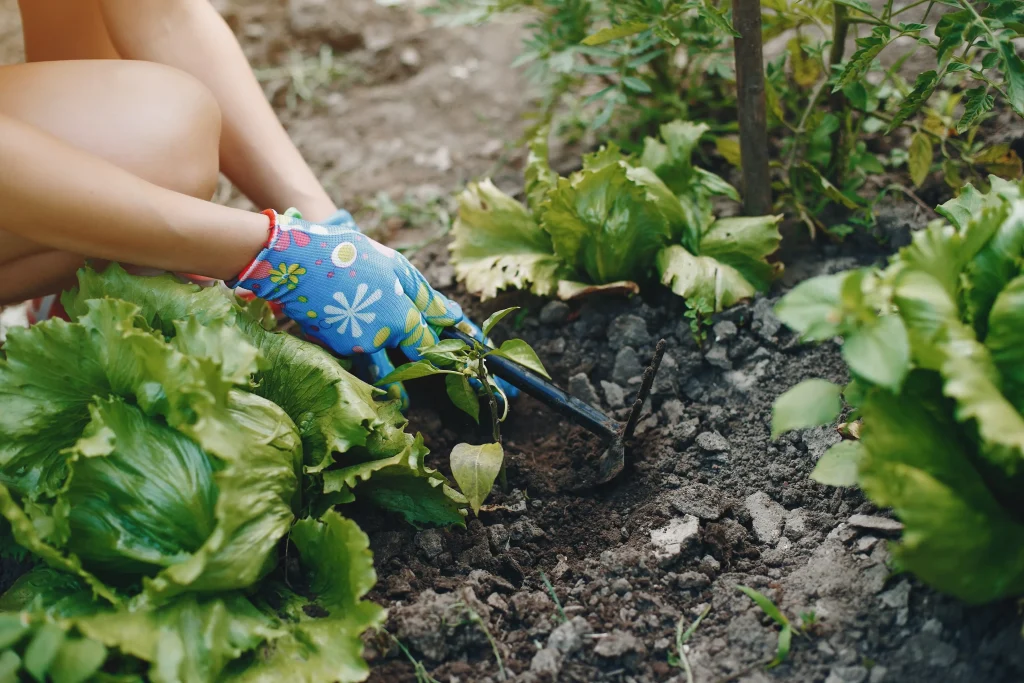
Every beginner needs a few basic tools. A hand trowel helps dig small holes for seeds or plants. A garden fork loosens soil and removes weeds. A watering can or hose keeps plants hydrated. Pruning shears trim dead or overgrown branches. Gloves protect your hands from dirt and thorns. A rake clears leaves and smooths soil. A spade digs larger holes and moves soil. These tools cover most gardening tasks for beginners.
Clean tools after each use to stop rust and dirt build-up. Use a wire brush or cloth for cleaning. Dry tools thoroughly before storing them. Sharpen blades regularly to make cutting easier. Store tools in a dry, sheltered place. Oil metal parts to prevent rust. Check handles for cracks or splinters and fix them quickly. Well-maintained tools last longer and work better.
Selecting the right plants is the first step in successful gardening. It sets the tone for your entire garden. Choosing plants suited to your skill level and environment makes gardening enjoyable and less stressful.
Consider the climate, soil type, and sunlight in your garden space. These factors affect how well plants grow. Start with plants that are easy to care for. This builds confidence and helps you learn gardening basics.
Some plants require little care and grow quickly. Herbs like basil, mint, and parsley are great starters. They need minimal watering and do well in pots or garden beds. Lettuce and radishes grow fast and show results in weeks. Sunflowers and marigolds add color and are tough in most soils.
Planting at the right time improves growth and yield. Spring is perfect for tomatoes, cucumbers, and beans. Fall suits leafy greens like spinach and kale. Summer plants need more water and shade during hot days. Winter gardening works in mild climates with crops like carrots and peas.
Native plants are adapted to your local environment. They need less water and resist pests better. Exotic plants come from other regions and may need more care. They add diversity but can be harder to maintain. Choose native plants for easier gardening and healthy soil.
Preparing the soil is the first step in successful gardening. Healthy soil helps plants grow strong and produce more flowers, fruits, or vegetables. Good soil holds water well and has the right nutrients for plants. You must know how to check and improve your soil before planting. This section covers simple ways to prepare your soil for a thriving garden.
Testing soil helps understand its health. You can buy a soil test kit from garden stores. Take a small sample from different garden spots. Mix samples and follow the kit instructions. Tests show pH level and nutrient content. Knowing pH helps choose plants that grow well in your soil. Nutrient tests reveal what your soil lacks. This guides you on what to add for better growth.
Soil fertility means how well soil supports plant growth. Adding natural fertilizers like compost or manure enriches the soil. Avoid chemical fertilizers that may harm soil life. Turn soil with a shovel or garden fork to mix in nutrients. Keep soil loose for roots to spread easily. Mulching with leaves or straw helps keep moisture and reduce weeds. Healthy soil feeds plants and keeps them strong.
Composting turns kitchen scraps and garden waste into rich soil food. Collect fruit peels, vegetable bits, grass clippings, and dry leaves. Avoid meat, dairy, and oily foods. Pile these in a compost bin or heap. Turn the pile every few weeks to add air. Compost breaks down in a few months. Use finished compost to improve soil texture and add nutrients. Composting reduces waste and helps garden plants thrive.
Planting techniques are the foundation of a successful garden. Good planting helps plants grow strong and healthy. Knowing how to start seeds, move seedlings, and plant at the right depth makes a big difference. These simple methods save time and improve growth.
Seeds need proper care to sprout well. Use seed trays or small pots with good soil. Keep soil moist but not wet. Place trays in a warm, bright spot. Some seeds need light to grow; others need darkness. Check seed packets for instructions. Thin seedlings by removing weak ones to give space.
Move seedlings carefully to avoid damage. Water seedlings before moving. Dig holes in the garden soil deep enough for roots. Gently lift seedlings by their leaves, not stems. Place them in holes and cover roots with soil. Press soil lightly to remove air pockets. Water after transplanting to help roots settle.
Give plants enough room to grow. Crowded plants compete for water and sunlight. Follow spacing advice on seed packets or plant labels. Plant seeds at the right depth; too deep or shallow harms growth. Usually, plant seeds twice as deep as their size. Check plant height and spread to plan space properly.
Watering and irrigation are key parts of growing healthy plants. Plants need water to live and grow strong. Giving the right amount of water helps roots absorb nutrients. It also keeps leaves green and flowers blooming. Water at the right times and in the right way.
Too little water makes plants dry and weak. Too much water causes root problems. Understanding how often and how much to water is important for beginners. Smart watering saves water and helps plants thrive.
Water plants based on their type and weather. Most plants need water every few days. Check soil moisture by touching it. Dry soil means it is time to water. Water early in the morning or late in the evening. This reduces water loss from evaporation.
Use drip irrigation or soaker hoses for slow, steady watering. These methods deliver water directly to roots. Avoid overhead sprinklers that waste water. Mulching around plants keeps soil moist longer. Rainwater collection systems provide natural water supply.
Wilting leaves can mean both too much or too little water. Yellow leaves often show overwatering. Dry, crispy leaves point to underwatering. Soft, mushy roots signal too much water. Check soil wetness to confirm the problem.
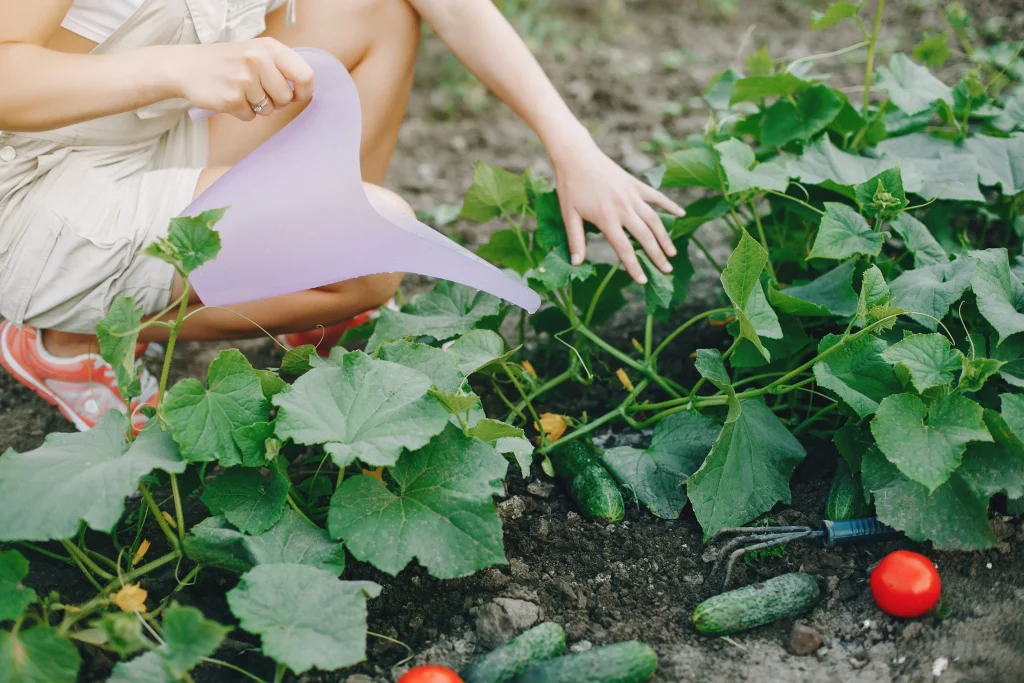
Gardening is rewarding but pests and diseases can harm plants. Controlling these problems helps plants grow healthy and strong. Knowing common pests and diseases is the first step. Using natural methods protects the environment and keeps your garden safe. Preventing diseases reduces the need for chemicals. This section guides beginners through pest and disease control for a thriving garden.
Many small insects can damage plants. Aphids suck sap, making leaves curl and yellow. Caterpillars eat leaves and can destroy new growth. Slugs and snails leave holes and slime trails. Spider mites cause tiny spots and webbing on leaves. Whiteflies weaken plants by feeding on sap. Recognizing these pests early helps stop damage fast.
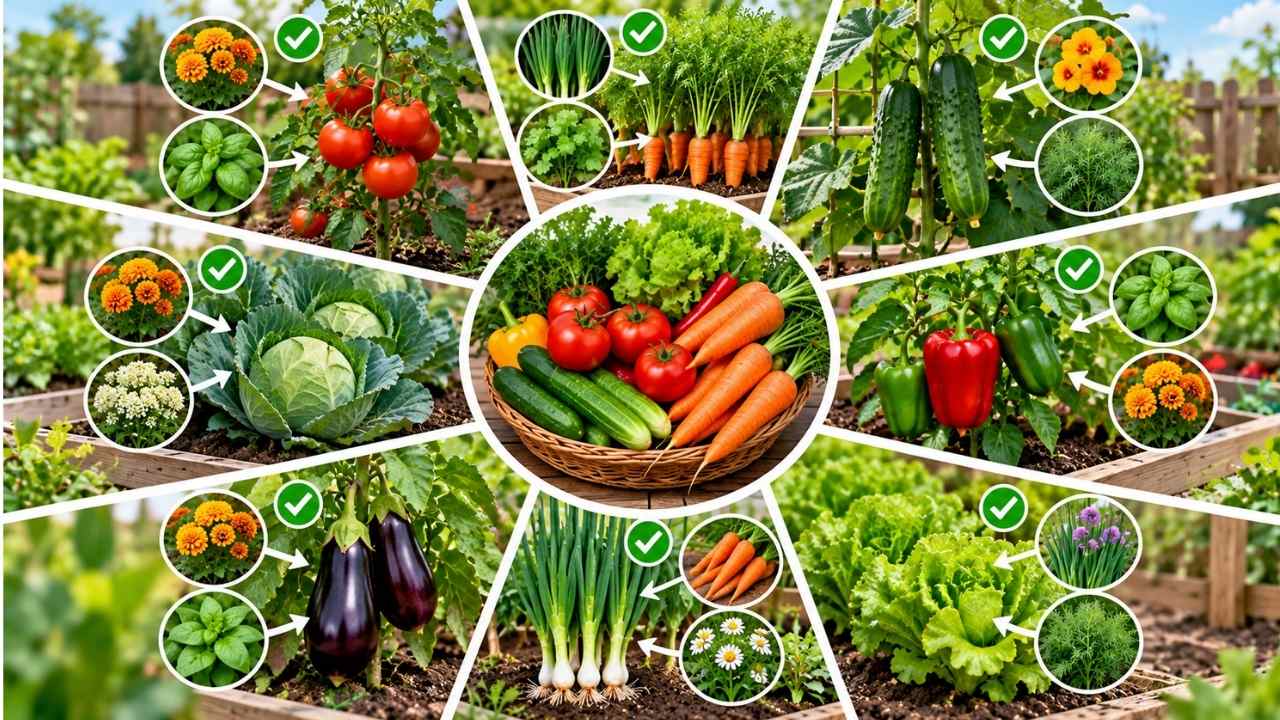
Encourage ladybugs and lacewings; they eat harmful insects. Spray plants with soapy water to remove pests. Use neem oil to repel many bugs safely. Plant herbs like basil and mint to keep pests away. Handpick large pests like caterpillars and slugs. Keep your garden clean to lower pest hiding places. Natural methods keep your plants healthy without chemicals.
Water plants at the base to avoid wet leaves. Space plants well for air circulation and less moisture. Remove dead leaves and debris to stop disease spread. Use clean tools to prevent passing infections. Rotate crops each season to avoid soil diseases. Choose disease-resistant plant varieties for fewer problems. Healthy plants resist disease better and grow stronger.
Pruning and maintenance keep your garden healthy and neat. These tasks help plants grow better and look good. Regular care stops pests and diseases. It also makes the garden last longer. Simple steps will keep your plants strong all year.
Prune plants at the right time for best results. Most plants need pruning in late winter or early spring. Remove dead or broken branches first. Cut just above a healthy bud or branch. Use clean, sharp tools to avoid damage. Pruning shapes the plant and helps flowers bloom.
Weeds steal water and nutrients from your plants. Pull weeds by hand when the soil is moist. Use a hoe or garden fork for bigger areas. Remove weeds before they make seeds. Mulching can reduce weed growth. Keep weeding often to protect your garden.
Mulch covers the soil around plants. It keeps moisture in and stops weeds. Mulch also protects roots from cold and heat. Organic mulch breaks down and adds nutrients to soil. Spread mulch in a 2-3 inch layer but keep it away from stems. Mulching saves time and helps plants grow strong.
Harvesting is an important step in gardening. Picking crops at the right time helps keep the best taste and nutrition. Knowing how to harvest properly makes your garden more productive. This guide shares key tips for beginners to harvest with confidence.
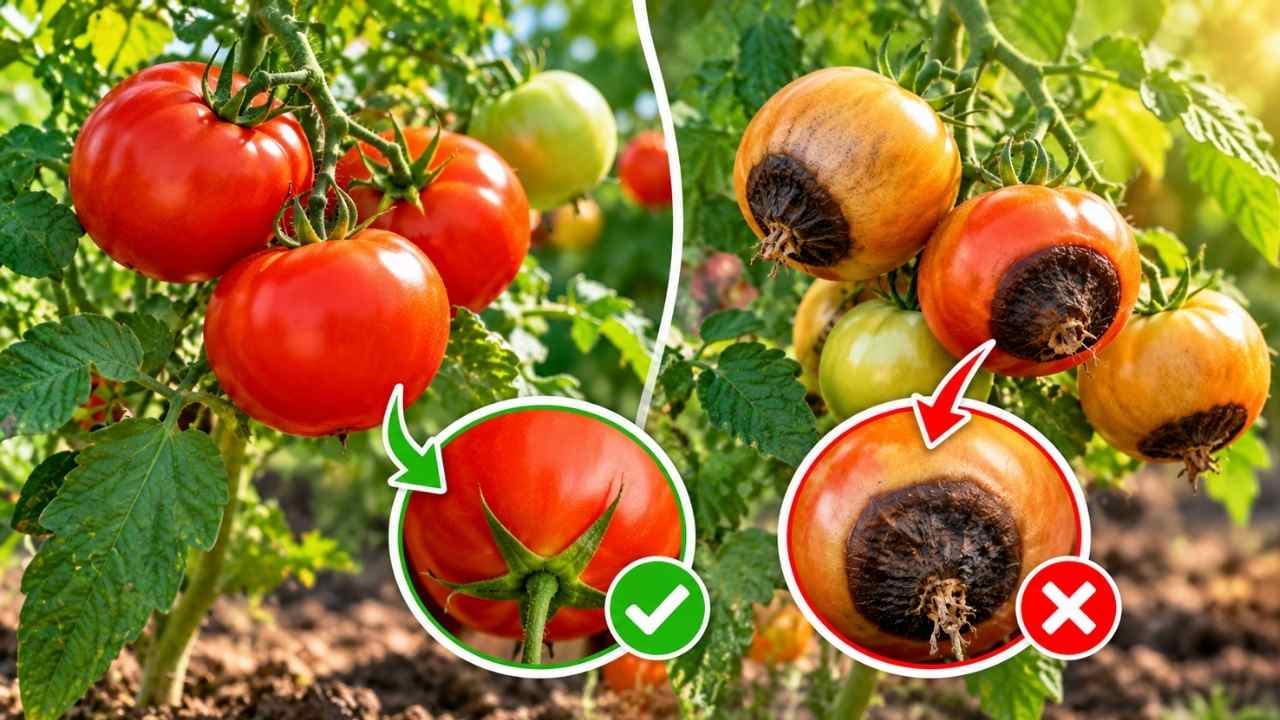
Look closely at your fruits and vegetables. Color change often shows ripeness. For example, tomatoes turn bright red or orange. Size matters too; many crops grow to a certain size before harvesting. Feel the texture. Some crops become firm or slightly soft when ready. Smell can help, especially with herbs and melons. Timing varies by plant type and variety.
Use clean, sharp tools like scissors or pruners. Cut stems carefully to avoid damaging plants. Handle produce gently to prevent bruises. Pick early in the morning or late afternoon to avoid heat stress. For leafy greens, snip outer leaves first. Harvest root vegetables by loosening soil with a fork. Regular harvesting encourages plants to produce more.
After picking, clean your crops gently with cool water. Dry them carefully to avoid mold. Store vegetables in a cool, shaded place. Some crops last longer in the fridge, others on the counter. Avoid stacking heavy items on fragile produce. Use breathable containers or bags to keep air flowing. Check stored crops often and remove any spoiled ones.
Gardening is a joyful and rewarding hobby. Many beginners start with high hopes but face challenges. Avoiding common mistakes helps plants grow strong and healthy. Careful attention and simple steps make a big difference.
Planting too deep or too shallow harms growth. Overwatering kills roots and causes mold. Underwatering makes plants dry and weak. Using the wrong soil stops plants from getting nutrients. Ignoring sunlight needs leads to poor growth. Crowding plants limits air and space. Not removing weeds lets them steal nutrients and water.
Yellow leaves often mean too much water or poor drainage. Brown edges show dry air or underwatering. Spots on leaves may be pests or disease. Wilting can signal root damage or heat stress. Check soil moisture before watering again. Remove damaged leaves to help recovery. Use gentle pest control like soapy water or handpicking insects. Healthy plants resist problems better.
Expanding your garden opens new chances to enjoy nature and grow fresh plants. It lets you try different flowers, herbs, and vegetables. A bigger garden also creates space for new designs and fun projects. You will learn to plan well and keep your plants healthy through the seasons.
Choose plants that fit your climate and soil type. Start with easy-to-grow species to build confidence. Mix colors and shapes for a lively look. Group plants with similar needs together. This saves water and care time. Watch how new plants affect your garden's balance.
Plan your garden space before planting. Draw a simple map to place plants wisely. Consider sunlight, shade, and walking paths. Use raised beds or containers to save space. Leave room for growth and future additions. A good layout makes gardening easier and more fun.
Know which plants grow best in each season. Plant cool-weather crops in early spring or fall. Use summer for heat-loving flowers and veggies. Prepare your garden for winter with mulch and covers. Rotate plants to keep soil healthy and productive. Seasonal planning leads to a thriving garden all year.
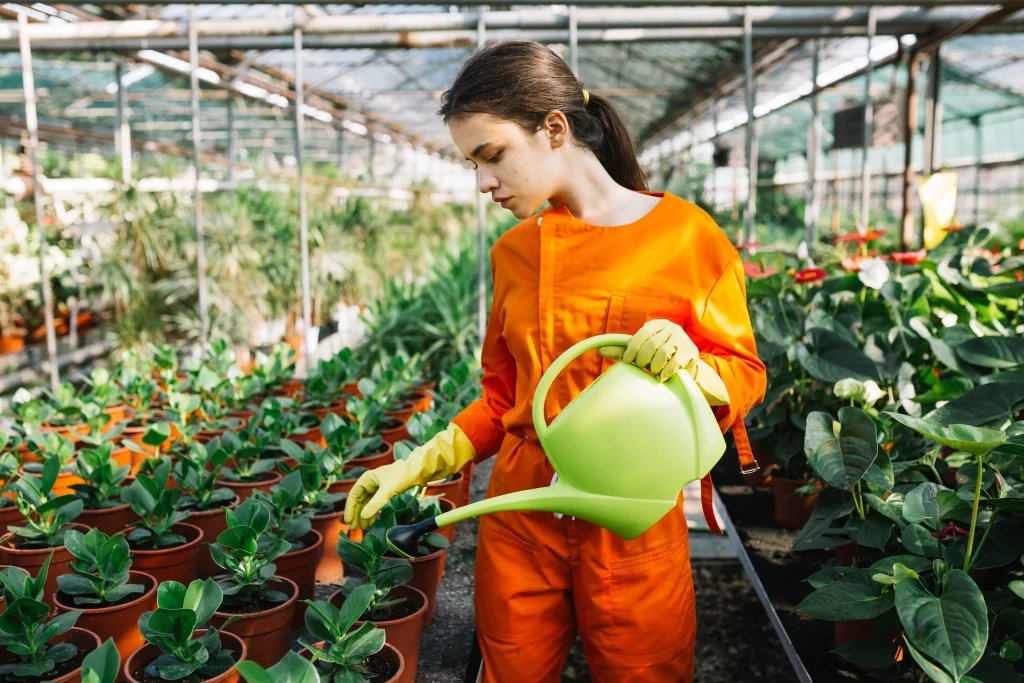
Easy-to-grow plants like herbs, lettuce, and sunflowers are ideal. They need less care and grow quickly, boosting confidence.
Water plants deeply once or twice a week, depending on weather. Avoid overwatering to prevent root problems and plant stress.
Loamy soil with good drainage and organic matter works best. It holds moisture and nutrients, helping plants grow healthy and strong.
Most garden plants need 6 to 8 hours of sunlight daily. Some herbs and leafy greens can tolerate partial shade.
Spring is the best time to start most gardens due to warm soil. Some plants also grow well in early fall for mild climates.
Gardening can bring joy and peace to your daily life. Start small and learn step by step. Plants need water, sunlight, and care to grow well. Watch your garden change with each passing day. Mistakes are part of the process.
Keep trying and enjoy the fresh air outside. Your garden will soon become a special place. Gardening helps you connect with nature and feel calm. Embrace the journey and have fun growing your plants.