Gardening Made Simple.

Is your once-lush basil plant looking sad and droopy? Don’t give up on it just yet—learning How to Revive a Basil Plant can help you bring it back to life and restore its fresh, vibrant growth.
You can bring your basil back to life with a few simple steps. Imagine harvesting fresh, fragrant leaves right from your kitchen again. In this guide, you’ll discover easy and effective ways to revive your basil plant and keep it thriving.
Keep reading—your green thumb is just a few tips away from success!
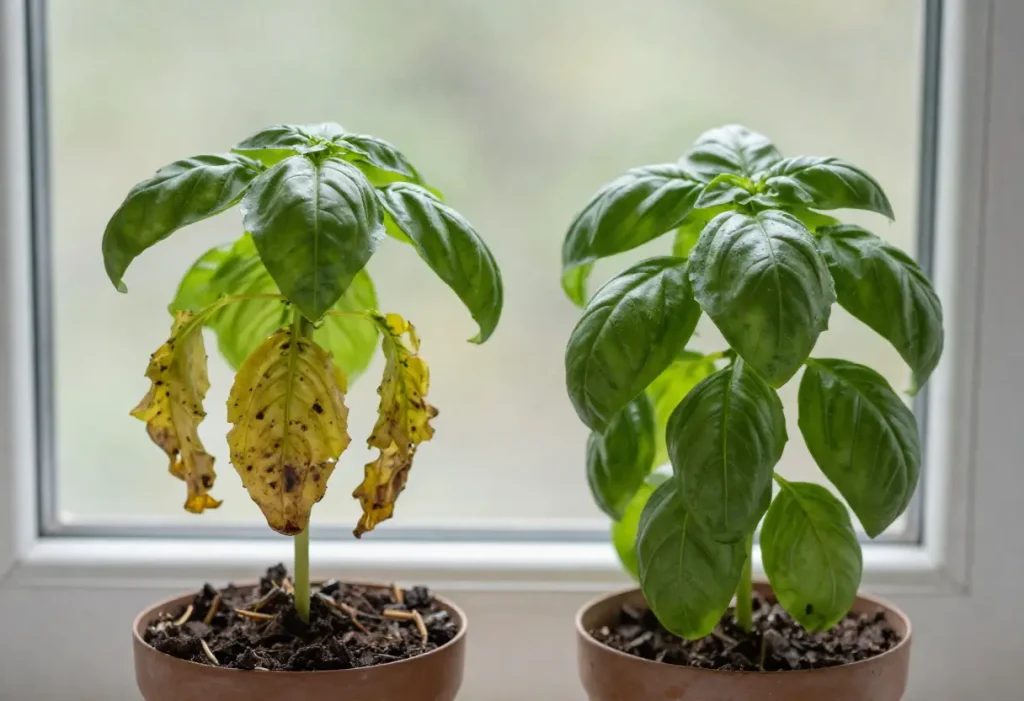
Basil plants need care to stay healthy and vibrant. Sometimes, they show signs of struggle before they die. Spotting these signs early helps save your plant. Knowing what to look for can keep your basil growing strong and green.
Wilting leaves are a clear sign of trouble. Leaves droop and lose their firmness. This may happen from too little water or too much heat. Wilting can also mean root problems. Check soil moisture and plant position to help recovery.
Yellow or brown leaves show stress in the plant. Yellowing often means overwatering or poor drainage. Brown edges or spots may indicate sunburn or lack of nutrients. Removing damaged leaves helps the plant focus on new growth.
Healthy basil grows quickly in warm weather. If your plant grows slowly or stops growing, it may lack nutrients. Poor soil or root damage can cause stunted growth. Use fresh soil and proper fertilizer to boost growth again.
Basil needs the right conditions to grow strong and healthy. Without good care, it can wilt or stop growing. Understanding basil’s ideal needs helps you revive a struggling plant. This section covers light, water, soil, and drainage. Follow these tips to bring your basil back to life.
Basil loves sunlight. It needs at least 6 hours of direct sun each day. A bright window or outdoor spot works well. Too little light makes the plant weak and leggy. Avoid dark or shaded places for your basil.
Basil likes moist soil but not wet. Water the plant when the top inch of soil feels dry. Overwatering causes root rot and yellow leaves. Underwatering makes the leaves dry and crispy. Water gently and regularly for best growth.
Use well-draining soil for basil. A mix with compost or organic matter works great. Good drainage stops water from sitting around the roots. Pots should have holes at the bottom. Avoid heavy or clay soils that hold too much water.
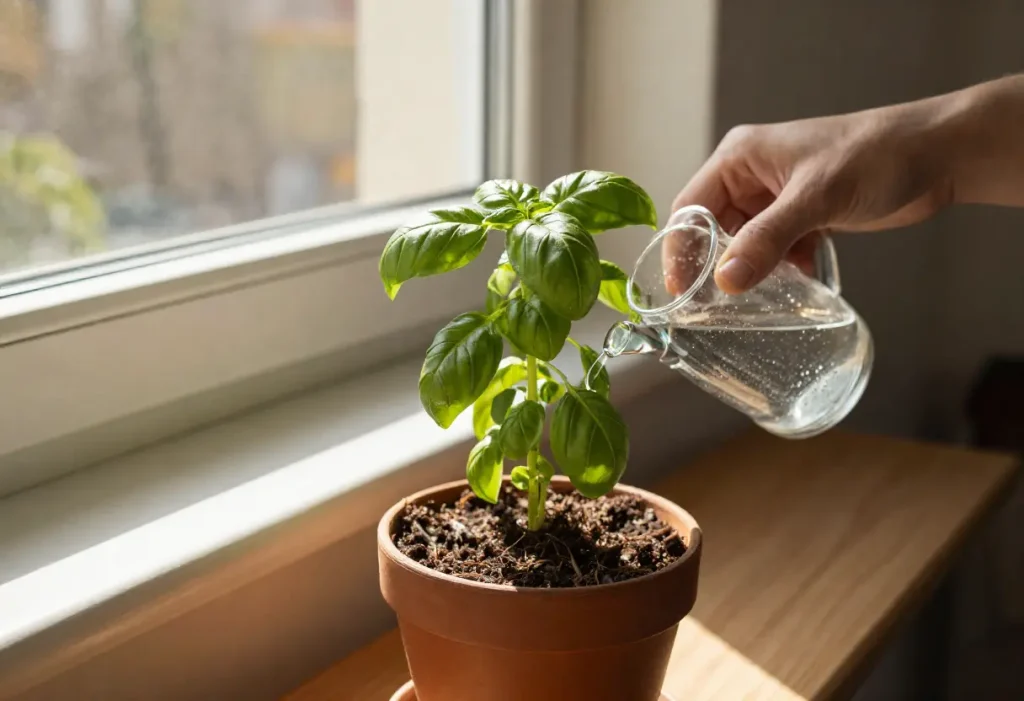
Reviving a basil plant requires simple but careful steps. Follow these steps to bring your basil back to health. Each step helps your plant grow strong and fresh leaves.
Start by cutting off yellow or brown leaves. These leaves waste energy and slow growth. Use clean scissors or pruning shears. Cut just above a healthy leaf node. This encourages new growth and keeps the plant tidy.
Basil needs consistent moisture but not soggy soil. Water the plant when the top inch of soil feels dry. Too much water causes root rot. Too little water makes leaves wilt. Find a balance for healthy roots and green leaves.
Good soil drains well and holds nutrients. Add organic compost or peat moss to improve soil. Avoid heavy, clay soils that trap water. Healthy soil helps basil absorb water and nutrients better. Refresh the soil every few months for best results.
Basil loves bright, indirect sunlight. Move your plant to a spot with 6 hours of light daily. Avoid harsh afternoon sun that can burn leaves. If indoors, place near a sunny window. Proper light helps basil make strong stems and flavorful leaves.
Preventing problems with your basil plant keeps it healthy and strong. A little care every day helps avoid many common issues. Watch your plant closely and give it what it needs to thrive.
Check your basil plant often for any signs of stress. Look for yellow leaves, spots, or drooping stems. Early detection helps fix problems before they get worse. Make a habit of inspecting your plant every few days.
Keep pests away by cleaning leaves gently with water. Remove any damaged or infected leaves quickly. Use natural remedies like neem oil if pests appear. Good air flow around the plant reduces disease risk.
Feed your basil plant with balanced fertilizer every few weeks. Avoid overfeeding; too much fertilizer can harm the plant. Use organic compost to improve soil health. Healthy soil means a healthy basil plant.
Propagation helps keep your basil plant healthy and full. It gives you new plants from the old one. This process is easy and saves money. Growing new basil plants also means fresh leaves for your kitchen all year.
These tips guide you through simple steps for strong basil plants. Follow each step carefully for the best results.
Choose a healthy stem from the basil plant. Cut a 4-inch piece just below a leaf node. Remove leaves from the bottom half. This helps the stem focus on growing roots.
Use sharp scissors or garden shears. Clean cuts reduce the chance of disease. Place the cutting in a glass of water right away.
Put the cutting in a clear glass with fresh water. Change the water every two days to keep it clean. Place the glass in a sunny spot but avoid direct sunlight. Roots start to grow in about one week.
Wait until roots are 2 inches long. This means the cutting is ready for planting. Rooting in water is simple and shows progress clearly.
Prepare small pots with well-draining soil. Make a hole in the soil for the roots. Gently place the rooted cutting into the hole. Cover the roots lightly with soil.
Water the new plant softly to settle the soil. Keep the pot in a warm, bright place. Avoid harsh sun until the plant grows stronger. Transplanting helps seedlings grow into healthy basil plants.

Look for yellow or brown leaves and slow growth. Wilting or dry soil also shows stress.
Water the plant deeply but let soil dry a little between watering. Avoid soggy soil.
Yes, trimming old or dead leaves helps new growth. It also improves air flow.
Use well-draining soil rich in organic matter. Basil does not like waterlogged roots.
Basil needs about 6 hours of sunlight daily. Place it near a bright window or outside.
Reviving a basil plant takes care and patience. Water it just right and give it enough light. Trim dead leaves to help new growth. Keep checking soil moisture regularly. Small steps bring big changes. Soon, your basil will look healthy again.
Enjoy fresh leaves for cooking and drinks. Growing plants can be simple and fun. Try these tips and watch your basil thrive.