Gardening Made Simple.
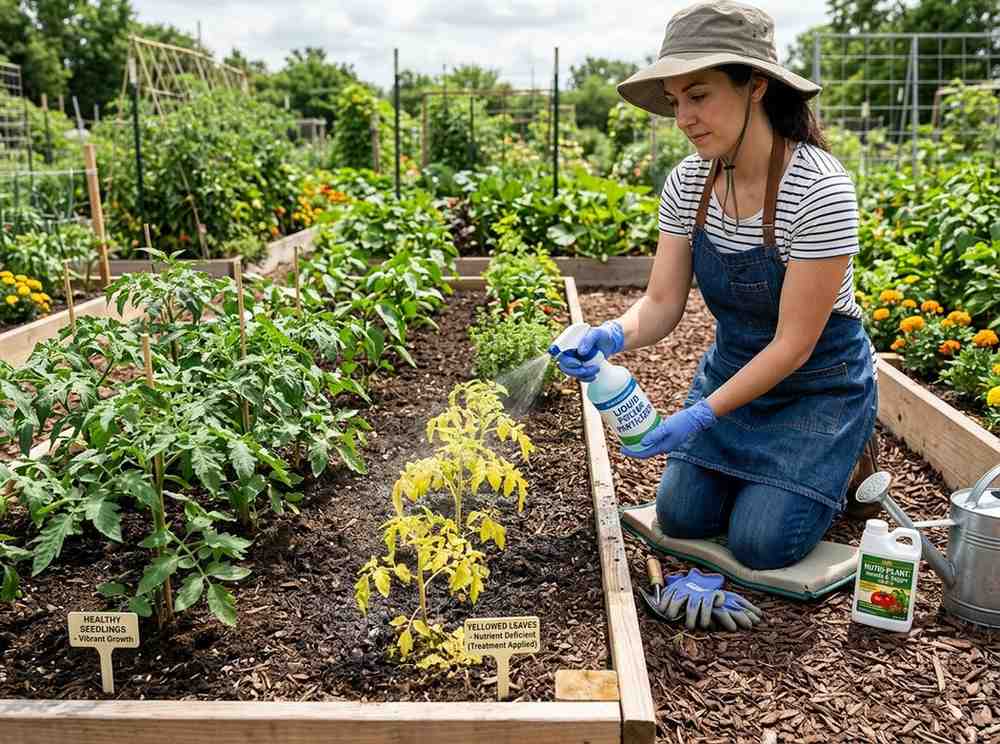
Are you noticing Tomato Seedlings Yellow Leaves and wondering what’s going wrong? Seeing your young plants lose their vibrant green color can be frustrating, especially when you’re eager to grow healthy tomatoes.
Yellow leaves are often a sign that your seedlings need immediate care, and if ignored, they could affect the entire crop. You’ll discover the common causes behind yellowing leaves and simple steps you can take to bring your tomato seedlings back to life.
Keep reading to save your plants and enjoy a thriving garden this season.
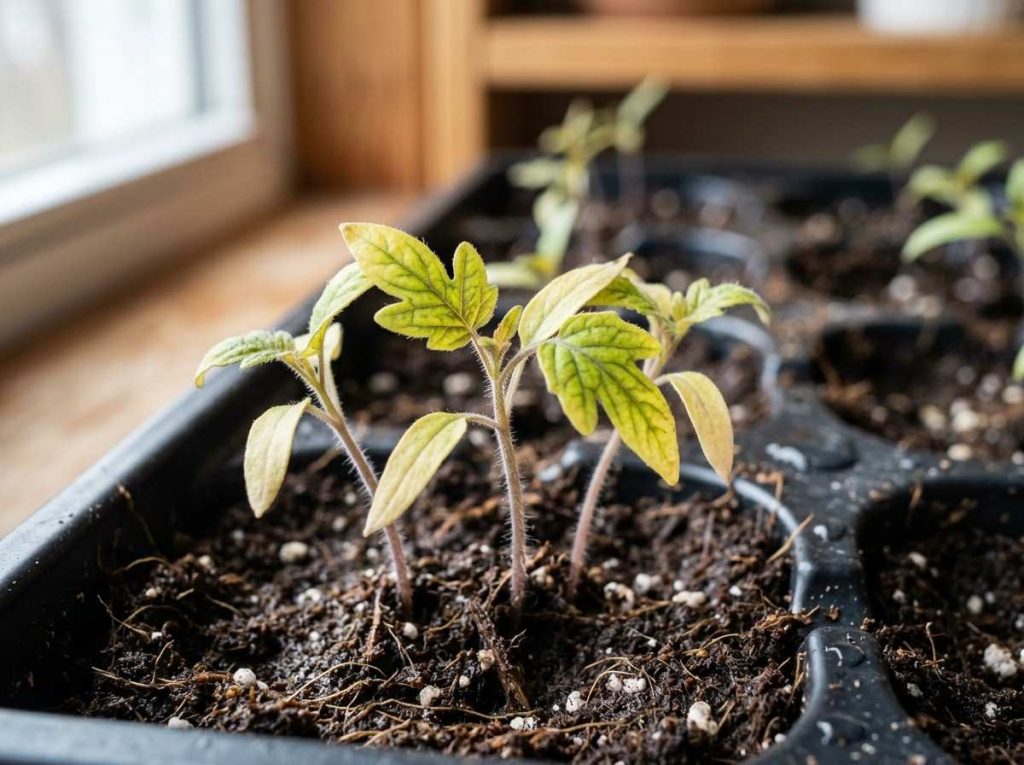
Yellow leaves on tomato seedlings often signal trouble. Understanding the common causes helps fix the problem fast. Several factors can cause leaves to turn yellow. Identifying the right cause saves your plants from damage and loss.
Tomato seedlings need nutrients to grow strong. Lack of nitrogen causes older leaves to yellow first. Iron deficiency shows as yellow leaves with green veins. Magnesium shortage turns leaves yellow between veins. Use balanced fertilizer to provide all needed nutrients.
Too much water stops roots from getting oxygen. This makes leaves yellow and soft. Underwatering causes leaves to dry and yellow. Check soil moisture regularly. Water tomato seedlings only when soil feels dry.
Pests like aphids suck plant juices, causing yellow spots. Fungal diseases create yellow patches and leaf drop. Look for tiny insects or mold on leaves. Use safe pest control or natural remedies to protect seedlings.
Tomato seedlings are sensitive to temperature changes. Too cold or too hot weather stresses plants and yellows leaves. Poor light makes leaves pale and yellow. Keep seedlings in stable, warm places with enough sunlight.
Yellow leaves on tomato seedlings often signal nutrient problems. Identifying these issues early helps plants recover faster. Nutrients play a key role in healthy growth and green leaves. Each deficiency shows different signs on the leaves and stems. Understanding these signs guides you to the right solution.
Nitrogen is vital for leaf growth and color. Low nitrogen causes older leaves to turn pale yellow. Leaves may drop off and plants look weak. New leaves stay smaller and lighter green. Yellowing starts at the leaf base and spreads outward. The plant’s growth slows down noticeably.
Magnesium shortage shows as yellow leaves with green veins. This pattern is called interveinal chlorosis. It starts on older leaves first. Iron deficiency also causes yellow leaves but affects young leaves first. Leaf veins stay green while the rest turns yellow. Both shortages reduce photosynthesis and weaken the plant.
Soil pH affects nutrient availability for tomato seedlings. Too acidic or too alkaline soil blocks nutrient absorption. This leads to yellow leaves even if nutrients are present. The ideal pH for tomatoes is 6.0 to 6.8. Checking soil pH helps prevent hidden nutrient problems early.
Proper watering is key to healthy tomato seedlings. Yellow leaves often show water problems. Knowing how and when to water helps plants grow strong. This section explains watering best practices for tomato seedlings.
Water tomato seedlings regularly but not too much. Seedlings need moist soil, not soaked. Check soil daily. Water only when the top inch feels dry. Too little water makes leaves wilt and turn yellow. Too much water can drown roots.
Good drainage keeps roots healthy. Use pots with holes to let water escape. Soil should drain well and stay crumbly. Avoid heavy soils that hold too much water. Keep soil moist but not soggy. This balance prevents root rot and yellow leaves.
Overwatering causes leaves to yellow and drop. Roots get less oxygen in wet soil. This slows growth and weakens plants. Yellow leaves often mean root damage from too much water. Let soil dry slightly between watering to keep seedlings healthy.
Tomato seedlings with yellow leaves often suffer from pests and diseases. These problems harm plant growth and reduce yield. Managing pests and diseases early helps keep seedlings healthy. Recognizing common pests and infections is key to proper care. Use both natural and chemical methods to control threats safely.
Aphids suck sap and weaken tomato seedlings quickly. Whiteflies spread diseases and cause leaf yellowing. Spider mites cause tiny spots and webbing on leaves. Thrips damage leaves and flowers by feeding on plant juices. Check seedlings regularly for these pests. Early detection prevents serious damage.
Fungal diseases like damping-off cause seedlings to wilt and die. Leaf spot fungi create brown or yellow patches on leaves. Bacterial infections lead to leaf spots and stem rot. High humidity and poor air circulation worsen infections. Removing infected leaves helps stop disease spread.
Use neem oil or insecticidal soap to fight pests naturally. Encourage ladybugs and lacewings to eat harmful insects. Remove debris and weeds that harbor pests and diseases. Fungicides help control fungal infections but apply carefully. Follow product instructions to avoid harming seedlings.
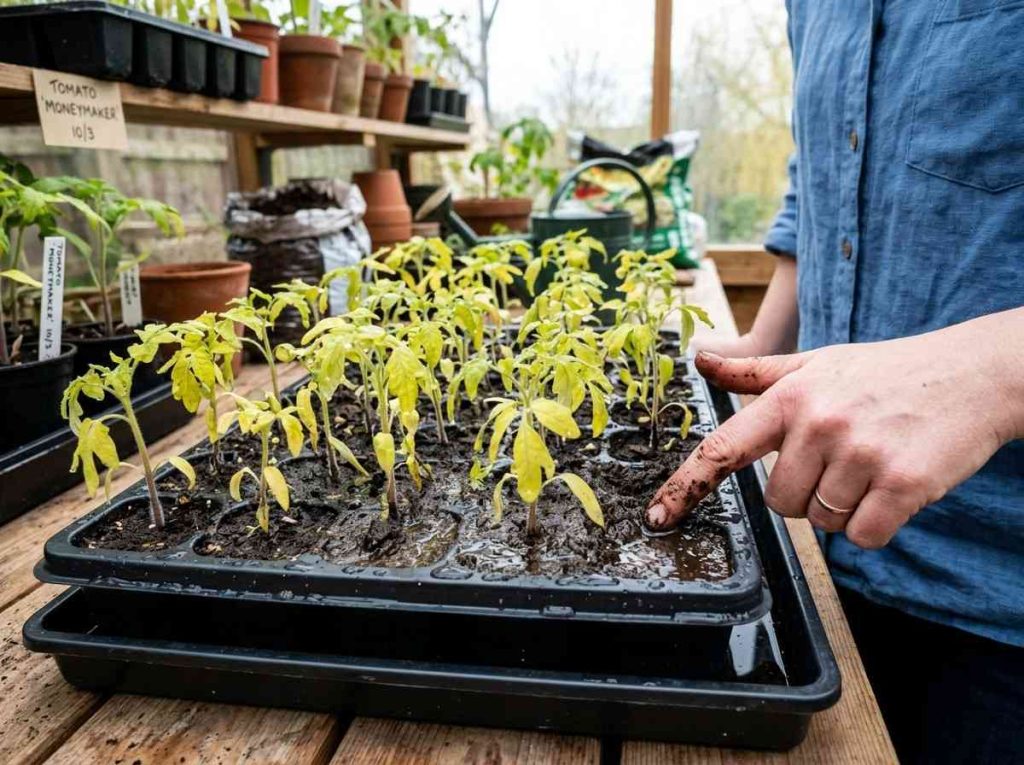
Tomato seedlings with yellow leaves often show signs of stress from their environment. Understanding key environmental factors can help fix this problem. Plants need the right conditions to grow strong and healthy. Small changes in light, temperature, or humidity can cause yellowing leaves. Checking these factors is important for healthy seedlings.
Tomato seedlings need bright light for at least 12 to 16 hours daily. Not enough light makes leaves pale and yellow. Too much direct sunlight can also burn leaves. A spot with indirect sunlight or grow lights works best. Keep seedlings close to light sources but avoid harsh rays.
Tomato seedlings prefer steady temperatures between 65°F and 75°F (18°C to 24°C). Sudden drops or rises in temperature stress plants. Cold drafts or hot rooms can cause yellow leaves. Avoid placing seedlings near open windows or heaters. Consistent warmth helps leaves stay green and healthy.
Tomato seedlings grow best in moderate humidity around 50% to 70%. Low humidity dries leaves, causing yellow edges. High humidity can lead to mold and disease. Use a humidifier or a spray bottle to keep moisture balanced. Proper humidity protects leaves and supports growth.
Yellow leaves on tomato seedlings signal stress or nutrient problems. Restoring seedlings needs quick and careful steps. Healthy leaves bring strong plants and better fruit later. The right fixes help seedlings recover fast and grow well.
Yellow leaves often mean a lack of nutrients. Use a balanced fertilizer with nitrogen, phosphorus, and potassium. Avoid too much fertilizer, which can burn roots. Apply fertilizer gently and follow package instructions. Feed seedlings every two weeks for steady growth.
Overwatering or underwatering causes yellow leaves. Check soil moisture before watering. Soil should feel damp, not wet or dry. Water seedlings deeply but less often. Good drainage prevents root rot and leaf yellowing.
Pests like aphids and spider mites suck plant juices. Look for small insects or sticky leaves. Remove pests by spraying water or using insect soap. Treat plants early to stop damage. Healthy seedlings resist pests better.
Seedlings need enough light, warmth, and air circulation. Place plants where they get 6-8 hours of sunlight daily. Keep temperature between 65-75°F (18-24°C). Avoid crowded spaces to reduce disease risk. Good conditions help leaves stay green and strong.
Tomato seedlings with yellow leaves need special care to grow strong and healthy. Paying attention to small details helps prevent problems. Healthy seedlings lead to better fruit and plants. Follow these expert tips for healthy growth to keep your tomato seedlings thriving.
Water seedlings gently but regularly. Avoid soaking the soil to stop root rot. Provide bright, indirect sunlight for at least six hours a day. Use a mild fertilizer every two weeks to give essential nutrients. Keep the temperature steady, around 65-75°F (18-24°C). Remove any yellow or dead leaves quickly to stop disease spread.
Transplant seedlings when they have two to three sets of true leaves. Choose a cool, cloudy day or transplant in the evening. Handle seedlings by the leaves, not the stem, to avoid damage. Prepare soil with compost for good nutrition. Plant seedlings deeper than before to encourage strong roots. Water well after transplanting to reduce shock.
Check plants daily for signs of yellow leaves or pests. Yellow leaves might mean too much water or poor soil drainage. Look for spots or holes that show insect damage. Use natural pest control methods like neem oil or insecticidal soap. Keep airflow good around plants to prevent mold and mildew. Early detection helps fix problems fast and keeps plants healthy.
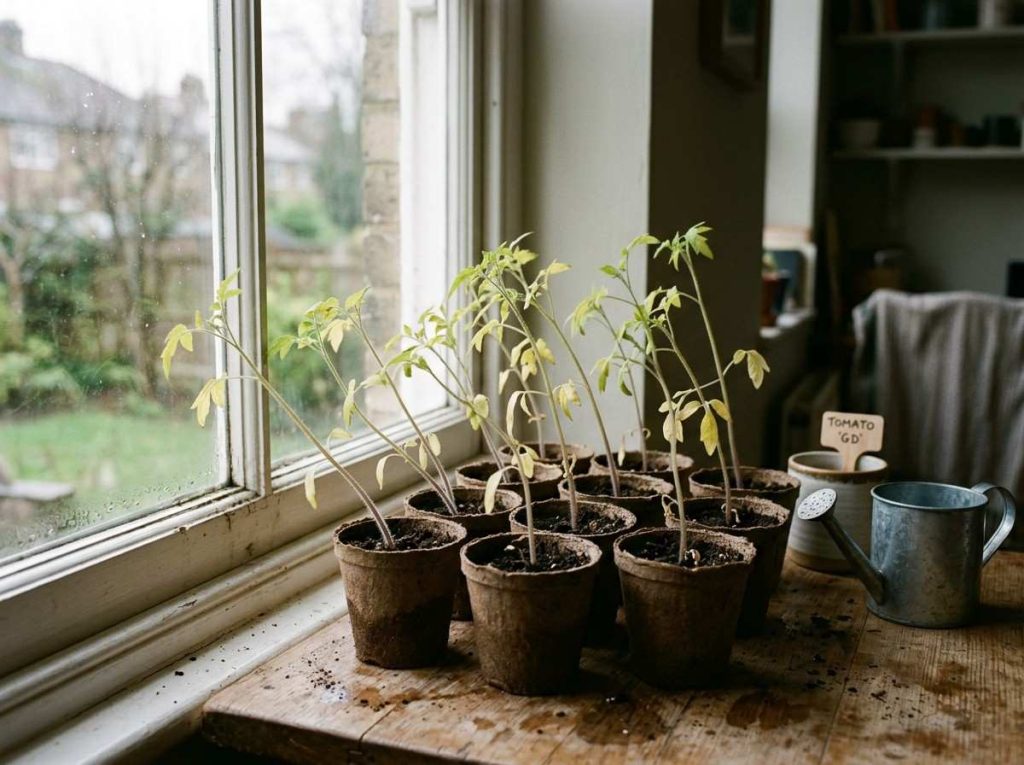
Yellow leaves often mean your seedlings need more nutrients or water. Overwatering or poor soil can cause this problem too.
Check soil moisture and improve drainage if needed. Use a balanced fertilizer to provide essential nutrients.
Yes, yellow leaves reduce photosynthesis, slowing growth. Healthy green leaves help seedlings grow strong and fast.
Yes, pests like aphids or spider mites can stress plants. Inspect leaves regularly and treat infestations early.
Wait until leaves turn mostly green and sturdy. Transplanting too early with yellow leaves can harm growth.
Tomato seedlings with yellow leaves need quick care to stay healthy. Check soil moisture and sunlight to fix common problems. Use gentle feeding and avoid overwatering for best results. Watch plants daily and act if yellow leaves appear again. Healthy seedlings grow into strong tomato plants.
Keep learning and caring for your garden. Simple steps bring fresh, tasty tomatoes to your table.