Gardening Made Simple.
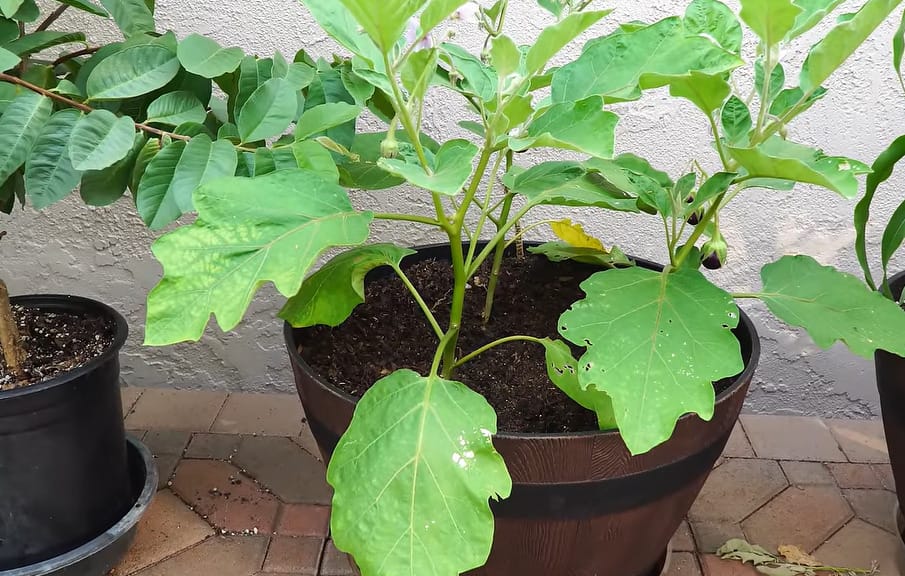
Are you ready to enjoy fresh, homegrown eggplants even if you don’t have a big garden? Growing Eggplant in Containers is easier than you think and allows you to grow healthy plants even in small spaces like balconies or patios.
With just a few simple steps, you can have beautiful plants right on your balcony, patio, or windowsill. Imagine picking ripe, juicy eggplants straight from your own container—no trips to the store needed. In this guide, you’ll discover how to choose the right container, soil, and care routine to help your eggplants thrive.
Keep reading, and you’ll be harvesting delicious eggplants in no time!
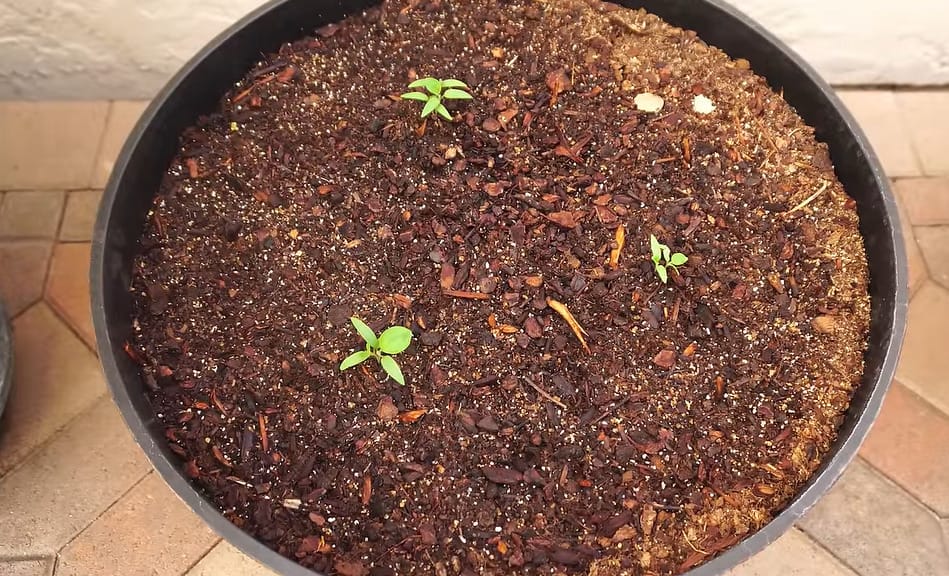
Choosing the right container is key to growing healthy eggplants in small spaces. The container affects root growth, water retention, and plant stability. Select a container that suits your space and provides enough room for the plant to grow well.
Eggplants need containers at least 12 inches deep and wide. Bigger containers hold more soil and water. This helps plants avoid drying out quickly. Materials like plastic, ceramic, or fabric pots work well. Plastic pots are light and affordable. Ceramic pots look nice but can be heavy. Fabric pots allow air to reach roots and prevent overwatering.
Good drainage is critical for eggplants. Water must flow out easily to stop root rot. Containers should have holes at the bottom. If not, create some before planting. Use a saucer under the pot to catch extra water. This keeps your space clean and stops water buildup.
Selecting the right eggplant variety is key to success in container gardening. Eggplants come in many shapes and sizes. Some fit better in small spaces. Others need more room and time to grow. Choosing the right type helps you get a good harvest. It also makes growing easier and more fun.
Compact eggplant varieties grow smaller plants. They fit well in pots and small spaces. These types do not need deep soil. They produce fruits that are easy to handle. Popular compact varieties include 'Patio Baby' and 'Hansel'. These plants stay under 2 feet tall. They work well on balconies or patios. Choosing compact varieties saves space and effort.
Heirloom eggplants have been grown for many years. They often have unique shapes and flavors. These seeds can be saved and replanted. Heirlooms may be less uniform but offer rich taste. Hybrid varieties are bred for specific traits. They often resist pests and diseases better. Hybrids usually produce more consistent fruit. Both types can grow well in containers. Pick based on your taste and gardening needs.
Growing eggplants in containers needs the right soil and fertilizer. The soil must hold water but drain well. Fertilizer gives plants the food they need to grow strong and healthy. Good soil and feeding help eggplants produce tasty fruits.
Use a mix that drains well and holds moisture. A good mix has equal parts potting soil, compost, and perlite or sand. Compost adds nutrients and helps soil stay loose. Perlite or sand improves drainage and stops roots from rotting.
Choose soil with a pH between 5.5 and 6.5. This range helps eggplants absorb nutrients easily. Avoid garden soil alone; it can be too heavy and may have pests.
Start with fertilizer when planting. Use a balanced fertilizer with equal parts nitrogen, phosphorus, and potassium. Feed every two weeks during growing season. Use liquid fertilizer for quick nutrient delivery.
Once fruits appear, switch to fertilizer higher in potassium. Potassium helps fruits grow big and strong. Stop fertilizing four weeks before harvest to improve taste.
Growing eggplant in containers needs careful planting and spacing. Proper steps help plants grow strong and produce more fruit. Good spacing allows air to flow and sunlight to reach every leaf. This reduces diseases and keeps the plant healthy.
Choosing between seeds and seedlings affects how you start your container garden. Knowing the right distance between plants ensures they have room to grow. This part explains simple tips for planting and spacing eggplants in containers.
Seeds take longer to grow but cost less. Plant seeds in small pots indoors six to eight weeks before the last frost. Keep soil warm and moist for better germination. Move seedlings outdoors after the danger of frost passes.
Seedlings are young plants bought from nurseries. They give a head start and faster harvest. Choose healthy seedlings with no spots or damage. Plant seedlings directly into containers filled with good soil. Water well after planting to settle roots.
Eggplants need space to grow big and strong. Plant one eggplant per 12 to 18 inches in a container. This space stops crowding and helps air flow. Crowded plants can get sick from fungi or pests.
Use containers that are at least 12 inches wide and deep. Bigger containers hold more soil and keep roots healthy. Space multiple containers at least 18 inches apart. This way, each plant gets enough light and air.
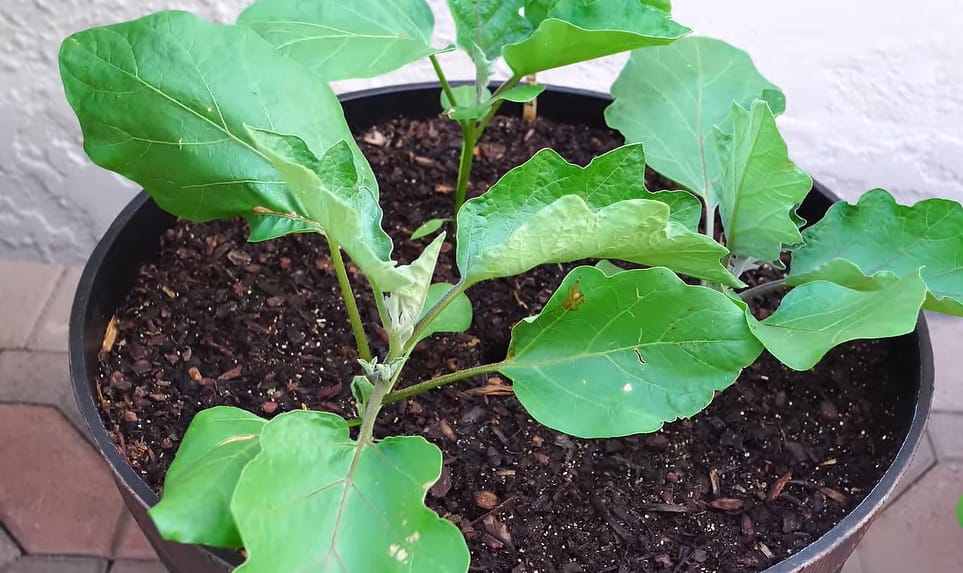
Watering eggplants in containers needs care and attention. Proper watering keeps plants healthy and helps fruits grow well. Too little water makes leaves dry and fruits small. Too much water causes root problems and poor growth. Using good watering strategies ensures your eggplants thrive in pots.
Keep the soil evenly moist but not soggy. Check the soil surface daily by touching it. Water when the top inch feels dry. Use a watering can with a narrow spout for control. Water slowly to let water soak deep into the soil. This helps roots grow strong and healthy. Mulch on top of soil helps keep moisture longer.
Overwatering can harm eggplants more than underwatering. Watch for yellowing leaves and soft stems. Make sure your container has drainage holes. Remove excess water from the saucer under the pot. Water less during cool or cloudy days. Use a moisture meter to avoid guessing. Proper watering helps plants grow better and produce more fruit.
Eggplants need plenty of sunlight to grow well in containers. Sunlight helps the plants make food and produce healthy fruits. Without enough light, eggplants may grow tall but weak, with few or small fruits. Understanding how much sun eggplants need is key to a good harvest.
Eggplants thrive best in full sun. They require at least 6 hours of direct sunlight each day. More sun means stronger plants and better fruit production. Morning sun is especially helpful because it warms the plant early. Avoid shady spots or places with filtered light only.
Place your containers in a sunny spot outdoors. South-facing areas usually get the most sunlight. Move containers during the day if shadows block the light. Keep plants away from tall trees or buildings that cast shade. Elevate pots if needed to catch more sun.
Growing eggplants in containers can be very rewarding, but pests and diseases might cause problems. Keeping your plants healthy means watching for signs of trouble early. This helps stop damage and keeps your eggplants strong.
Eggplants attract several pests. Aphids are small insects that suck plant juices. They can make leaves curl and stunt growth. Spider mites are tiny and create fine webs on leaves. Whiteflies also feed on sap and spread disease. Flea beetles leave small holes in leaves and can weaken plants. Early spotting of these pests saves your crop.
Natural methods keep eggplants safe without chemicals. Spray plants with soapy water to remove aphids and whiteflies. Neem oil works well against many pests. Introducing ladybugs can help control aphids naturally. Handpick flea beetles from leaves and crush them. Keep plants clean and remove dead leaves to reduce pests. Healthy soil and good watering keep eggplants strong against disease.
Supporting growth is key for healthy eggplants in containers. These plants need help to stay strong and produce well. Proper care makes sure they grow tall without falling over. It also helps fruits develop better and faster.
Eggplants often grow heavy with fruit. Staking keeps the plant upright and avoids damage. Use a stake or stick and tie the main stem gently. This support stops the plant from bending or breaking.
Pruning removes extra branches and leaves. Cut small side shoots to focus energy on main stems. This helps the plant grow stronger and makes air flow better. Better air flow reduces disease risks.
To boost fruit growth, pinch off early flowers. This lets the plant build roots and leaves first. Remove weak or small fruits so the plant can feed bigger ones. Regularly check for pests and remove them quickly. Healthy plants produce more and better eggplants.
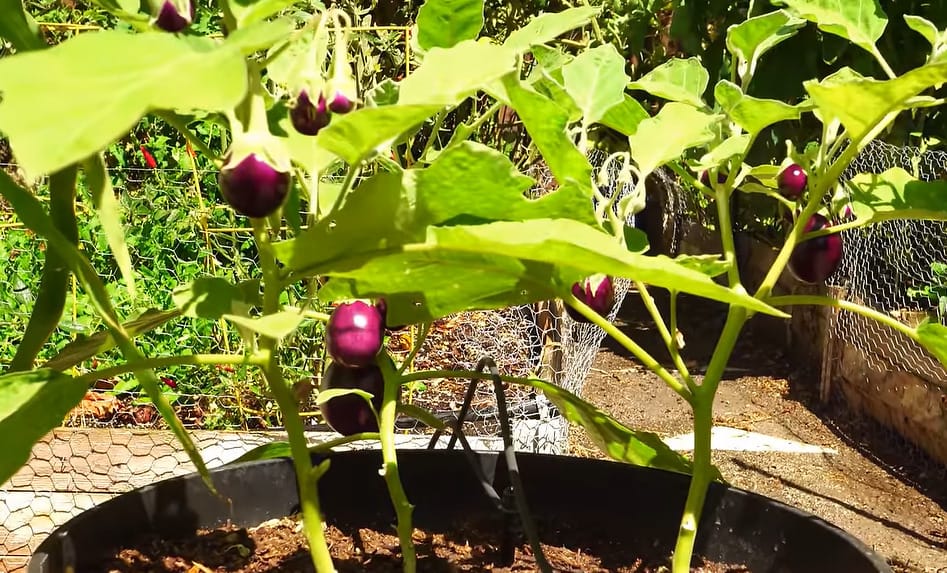
Harvesting eggplants grown in containers is an exciting part of the gardening process. Proper timing and handling ensure the best taste and longest storage life. Paying attention to the fruit's size and color helps you pick at the right moment. Careful handling prevents damage and keeps your harvest fresh longer.
Pick eggplants when they have a glossy skin and firm feel. Avoid dull or wrinkled fruits; these are overripe. The size depends on the variety but usually ranges from 4 to 8 inches long. Test by gently pressing the skin; it should bounce back quickly. Early harvesting encourages more fruit production on the plant.
Use scissors or a sharp knife to cut the fruit from the plant. Avoid pulling or twisting to prevent plant damage. Store eggplants in a cool, dry place away from direct sunlight. Refrigerate for up to a week but avoid freezing. Handle with care to avoid bruises, which reduce shelf life.
Choose containers at least 12 inches deep and wide for healthy eggplant growth.
Water eggplants when the top inch of soil feels dry to keep soil moist.
Use well-draining, rich soil mixed with compost for strong eggplant plants.
Eggplants need at least 6 hours of direct sunlight each day to thrive.
Yes, with enough light and warmth, eggplants can grow well indoors in containers.
Growing eggplants in containers can bring fresh produce to your home. Choose a large pot with good drainage. Use rich, well-draining soil to help plants grow. Place containers where they get plenty of sunlight. Water regularly, but avoid waterlogging the roots.
Support tall plants with stakes or cages. Watch for pests and treat them early. Harvest eggplants when they look shiny and firm. Enjoy the satisfaction of homegrown vegetables. Container gardening makes eggplant growing easy and fun. Start small, learn, and soon you’ll have tasty eggplants to share.