Gardening Made Simple.
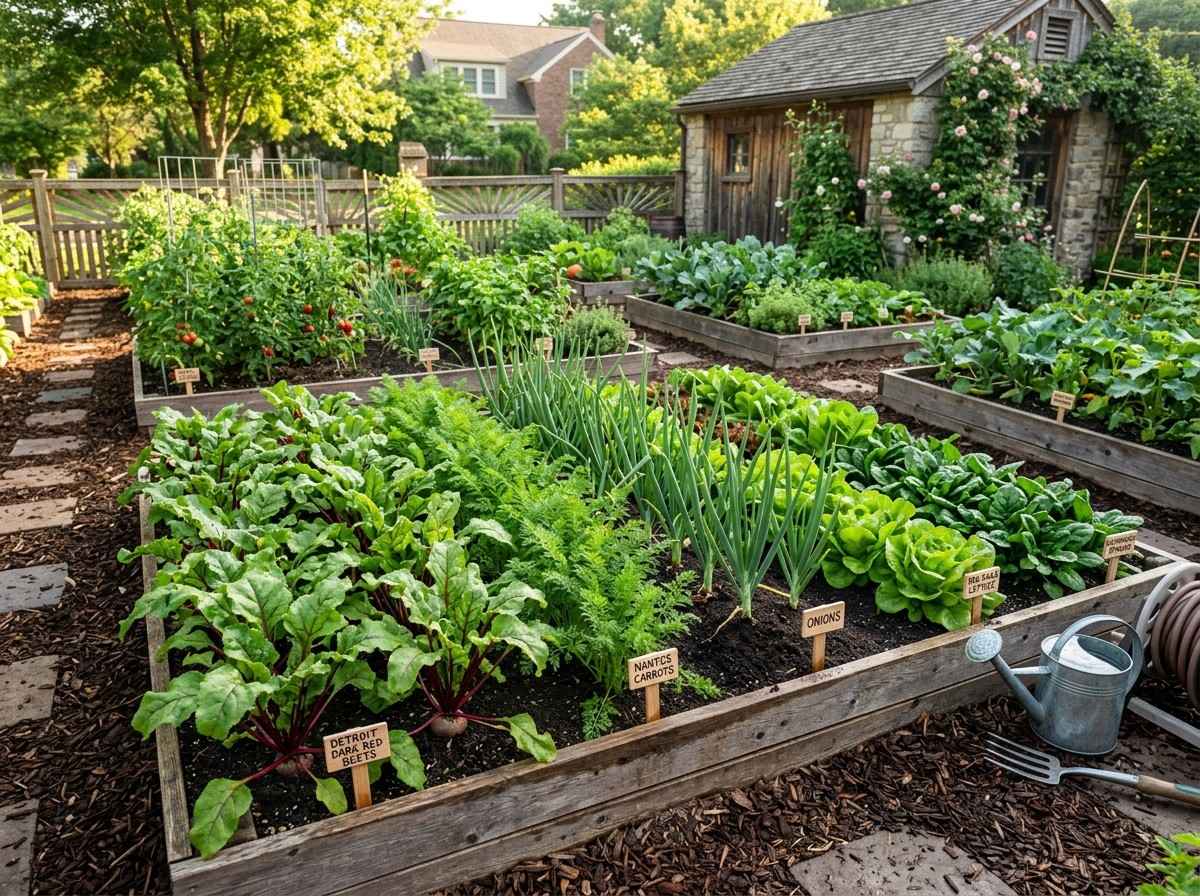
How Far Apart to Plant Beets is one of the most important factors for growing healthy, well-shaped roots. If you're wondering how far apart to plant beets, proper spacing gives each plant enough room to develop, improves air circulation, and helps reduce competition for water and nutrients. This guide explains the ideal spacing for beet seeds and rows, along with practical tips for producing a healthy, high-yield harvest.
In this guide, we’ll dive into everything you need to know about beet spacing. You’ll discover the best distances for different varieties, how to adjust spacing for your climate and soil, and tips for maximizing your garden space. We’ll also look at common mistakes, troubleshooting, and practical examples to make your next beet crop the best one yet.
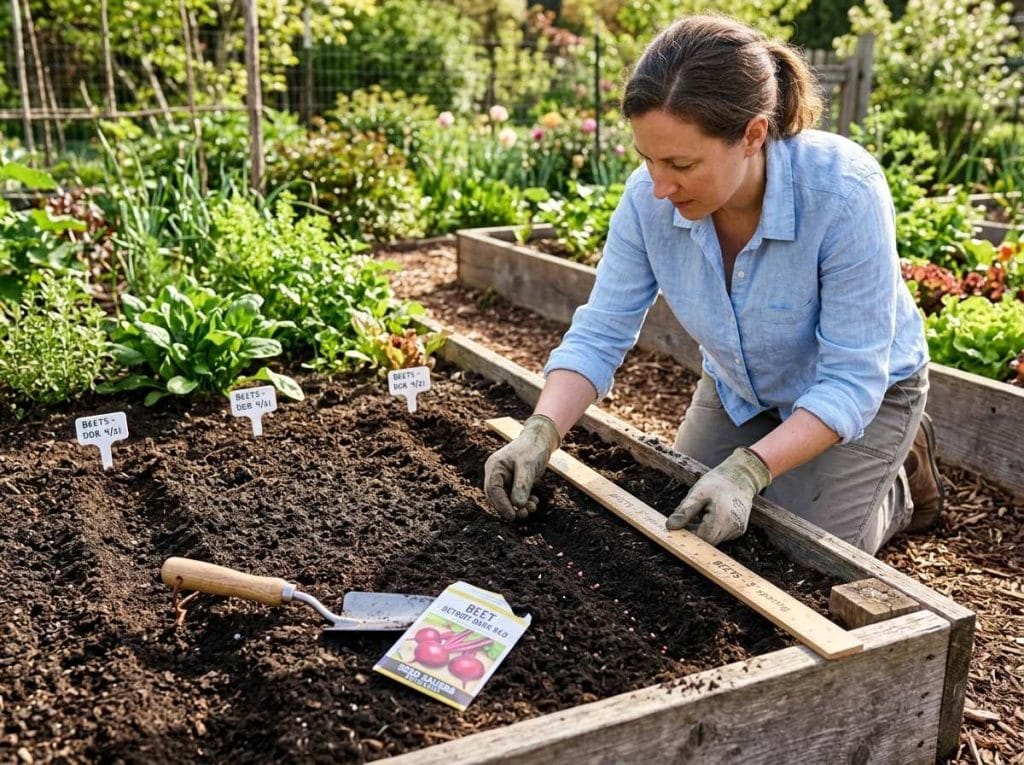
The distance between beet plants is not just about keeping your garden neat. It directly impacts the way beets grow underground. If you plant beets too close, they may fight for nutrients, water, and sunlight. This can lead to small, misshapen roots or even a total crop failure. On the other hand, planting too far apart might reduce your total harvest, especially in small gardens.
Proper spacing helps in several ways:
Surprisingly, spacing also affects beet flavor. Crowded plants can become woody and bitter, while well-spaced beets tend to be sweeter and more tender.
Let’s start with the basic numbers. Most seed packets give a general recommendation, but not all beet varieties are the same.
| Beet Type | Seed Spacing | Final Plant Spacing | Row Spacing |
|---|---|---|---|
| Standard Globe Beets | 1 inch | 2-4 inches | 12-18 inches |
| Miniature Beets | 0.5 inch | 1.5-2 inches | 10-12 inches |
| Cylinder Beets | 1 inch | 3-5 inches | 14-18 inches |
These are the most common type found in home gardens. For standard beets, plant seeds about 1 inch apart in rows. Once seedlings reach 2 inches tall, thin them to 2-4 inches apart. Rows should be spaced 12-18 inches apart to allow room for weeding and good air flow.
If you prefer baby beets, start seeds 0. 5 inch apart. Thin to 1. 5-2 inches once true leaves appear. These smaller beets need less room, so you can fit more in a small bed.
Long, cylindrical varieties like ‘Cylindra’ or ‘Forono’ need more space lengthwise. Plant seeds 1 inch apart but thin to 3-5 inches. Wider spacing helps these beets develop their shape without crowding.
Getting spacing right starts before you even put a seed in the ground. Here’s a step-by-step approach for perfect beet planting:
Loosen soil to a depth of 8-10 inches and remove rocks. Beets grow best in light, loose soil.
Use a hoe or stick to make shallow furrows. For standard beets, space rows 12-18 inches apart.
Drop seeds 1 inch apart in the row. Beet seeds are actually clusters, so you’ll often see several seedlings from each one.
Cover lightly with 0. 5 inch of soil and water gently.
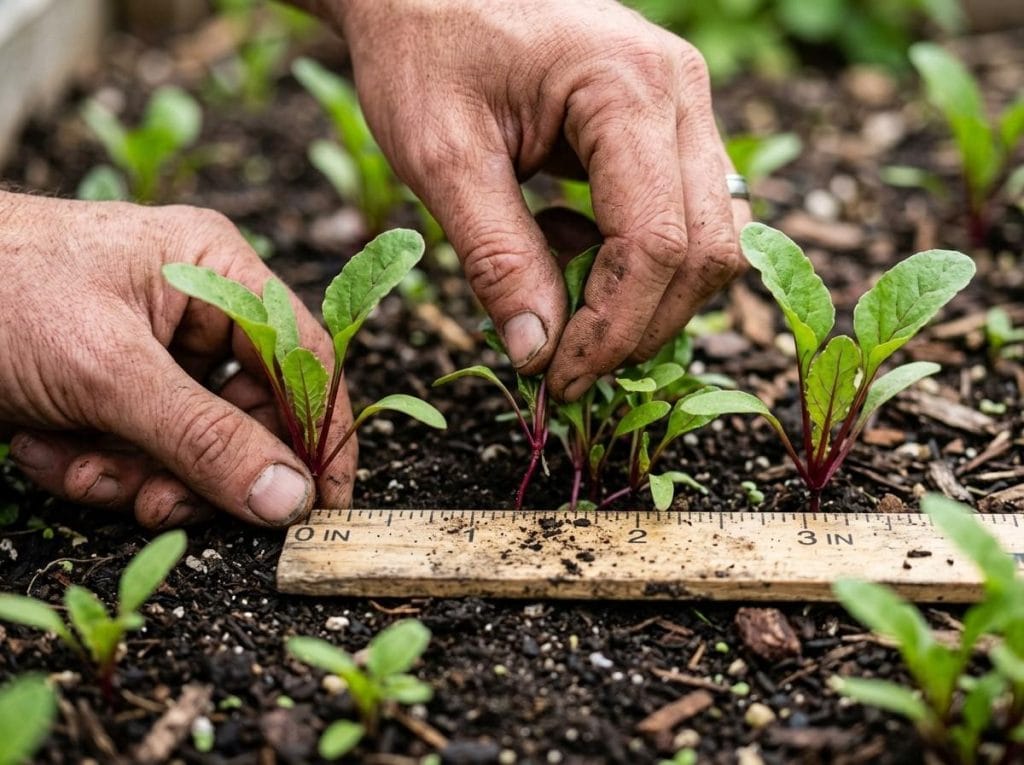
When plants are 2 inches tall, thin them to the correct spacing. Don’t skip this step—thinning is crucial for root growth.
Pro Tip:
Use the thinned seedlings as baby greens in salads. They’re tasty and packed with nutrients.
Not all gardens are the same. You might plant beets in raised beds, containers, or even hydroponic setups. Here’s how to adapt spacing for each method.
In raised beds, you can use block planting instead of rows. Sow seeds in a grid pattern, keeping 2-4 inches between each seed. This method uses space more efficiently and helps shade out weeds.
Beets can thrive in pots that are at least 12 inches deep. Plant seeds 2-3 inches apart and keep containers out of direct midday sun in hot climates.
For hydroponic beets, spacing can be tighter since roots have easy access to nutrients. Place plants 2 inches apart, but monitor for crowding as they grow.
In this method, plant up to nine beets per square foot. Place one seed in each corner and one in the center, making sure to thin as needed.
Many new gardeners plant beets correctly but forget about thinning. Beet seeds often contain 2-5 embryos, so several seedlings can sprout in one spot. If you skip thinning, you’ll end up with a tangled mess.
How to Thin Beets:
Non-Obvious Insight:
Thinning is not just for looks. Beets left unthinned may stop growing, become stunted, or fork into odd shapes.
Spacing does more than just control numbers; it changes the size, shape, and flavor of your beets.
Overcrowded beets may have pale tops and skinny taproots. Too much space, and weeds might take over. Aim for the “sweet spot” of 2-4 inches for most varieties.
Gardeners often overlook how climate and season affect spacing.
In northern areas with short summers, plant beets a little closer (about 2 inches apart). The cooler weather slows growth, so plants don’t need as much room.
In hot regions, give beets more space (3-4 inches). This allows air to circulate, preventing disease and reducing heat stress.
For a long harvest, plant new rows every 2-3 weeks. This method, called succession planting, lets you adjust spacing based on the time of year and your garden’s needs.
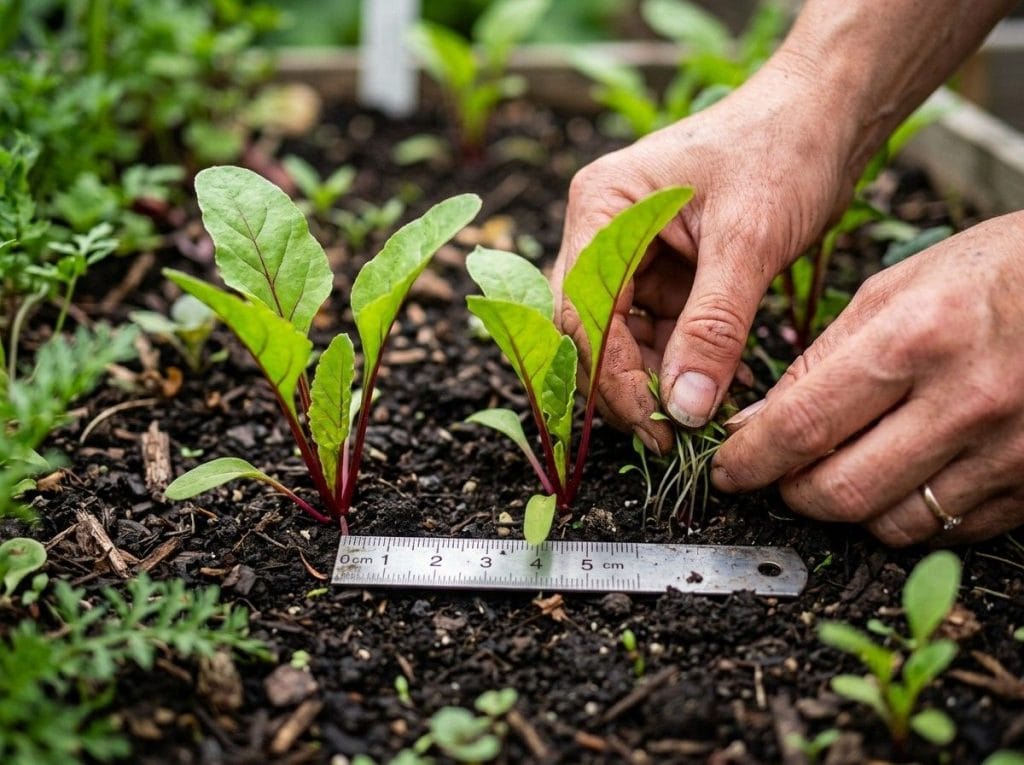
Soil quality changes everything. In rich, well-drained soil, you can plant beets closer together. In heavy clay or poor soil, give plants more space to reduce stress and competition.
| Soil Type | Recommended Spacing | Notes |
|---|---|---|
| Loose, Sandy | 2 inches | Faster growth, tighter spacing possible |
| Heavy Clay | 3-4 inches | Slower growth, need more room |
| Fertile Garden Loam | 2-3 inches | Balance between yield and quality |
Non-Obvious Insight:
Compacted or rocky soils make beet roots fork and split. If your soil is dense, don’t try to force close spacing. Use wider distances and work in compost before planting.
Not all beets are the same! Some grow small and round, others long and cylindrical. Let’s look at a few popular varieties and their ideal spacing.
This classic globe variety prefers 2-3 inches between plants. Too close, and roots become flat.
Known for its pink and white rings, Chioggia needs 3 inches between plants for best color and shape.
Golden beets can be grown at 2 inches apart, but they benefit from 3-4 inches if you want large, sweet roots.
This long variety needs at least 4 inches of space to avoid twisting.
Special types bred for baby beets (like ‘Babybeat’) can be packed in at 1. 5 inches apart and harvested young.
You don’t need a big backyard to grow lots of beets. With good planning, small spaces can produce big harvests.
Practical Example:
In a 3x6 foot raised bed, you can fit about 162 beets using 2-inch spacing in a grid pattern. That’s enough for salads all summer!
Even experienced gardeners sometimes make spacing errors. Here are a few to watch for:
It happens! If you already planted your beets too tightly, here’s what to do:
Smart spacing is about getting the most from your space without sacrificing quality. Here are a few strategies:
When beets are spaced correctly, harvesting is easier and less stressful for the plants left behind.
Harvest when roots are 1-3 inches wide for best taste. Over-mature beets, especially those grown too far apart, can become tough.
A few small tricks can give you perfect, even beet rows every time.
Let’s compare two garden beds, both 4 feet by 8 feet:
Bed A:
Seeds planted 1 inch apart, no thinning.
Result: 100+ tiny, tangled beets. Most roots are misshapen.
Bed B:
Seeds planted 1 inch apart, thinned to 3 inches.
Result: About 40-50 perfect, round beets, all full size.
The lesson: Fewer, well-spaced beets are far more valuable than a crowded mass!
Below is a summary of how spacing affects yield. This data comes from university extension tests.
| Spacing (inches) | Beets per sq. ft. | Root Size | Total Yield (lbs per 10 sq. ft.) |
|---|---|---|---|
| 1 | 16 | Small | 7 |
| 2 | 9 | Medium | 8 |
| 3 | 4 | Large | 7.5 |
Notice that medium spacing (2 inches) gives the best balance of size and yield.
Sometimes, breaking the rules can work in your favor:
If you want to dive deeper into beet growing, the University of Minnesota Extension offers detailed guides and research-backed advice. You can visit their beet page at University of Minnesota Extension.
Plant beet seeds about 0.5 inch deep. If soil is dry, water before planting. Seeds planted too deep may not sprout well.
Yes. Many gardeners sow seeds close together and thin after a few weeks. Always thin to the recommended final spacing for best results.
Crowded beets will compete for nutrients and may develop small, misshapen roots. Thinning is essential for proper growth.
Plant up to nine beets per square foot, spaced evenly. Thin as needed to avoid crowding.
Yes. In heavy or poor soil, increase spacing to 3-4 inches apart. This helps beets develop strong roots even in tough conditions.
Growing beets is about more than just dropping seeds in the ground. With careful attention to spacing, you can enjoy a sweeter, larger, and healthier harvest—no matter how much room you have to work with. Remember, a little planning now means delicious results in just a few weeks.
Happy gardening!