
Gardening Made Simple.
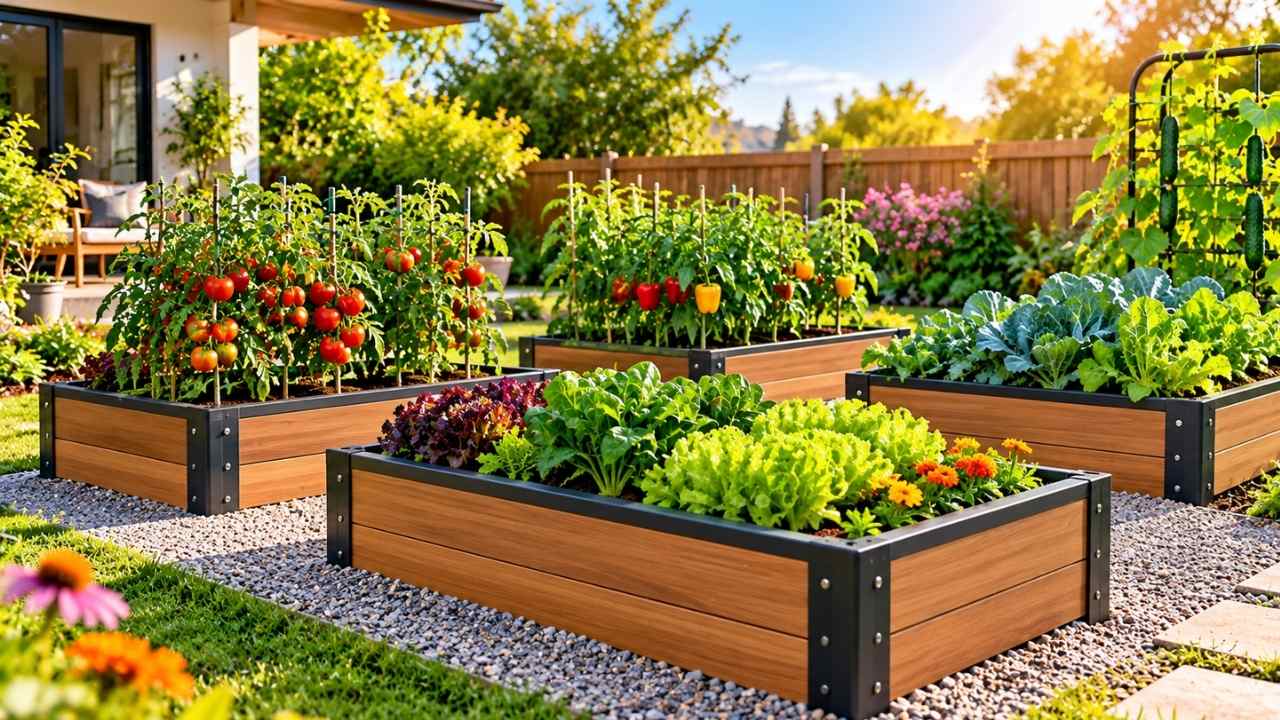
Best raised garden bed kits are like choosing the right room for your plants: the material sets the structure, the depth supports roots, and the watering system determines how much daily attention the bed needs. Among the supplied options, Vego Garden leads for modular metal design, Greenes Fence Cedar suits large traditional beds, while Keter and Vegepod are better matched to patios, beginners, and smaller spaces.
Prices are approximate and can change by retailer, size, or seasonal availability. Therefore, the right choice depends less on appearance than on four practical questions: how long the bed should last, how much root space your crops need, where it will sit, and how often you can water it.
Quick selection:
The best raised garden bed kits are not identical in purpose. Metal beds generally prioritise longevity and flexible layouts, cedar beds offer a familiar natural appearance, and elevated resin systems reduce watering effort. Therefore, matching the kit to your growing space is more useful than selecting the most expensive option.
| Kit | Best for | Material or system | Approximate price |
|---|---|---|---|
| Vego Garden 9-in-1 Modular Metal Kit | Overall versatility | Corrosion-resistant Aluzinc galvanized steel alloy | $180–$200 |
| Birdies Large Modular Metal Kit | Depth and weather resistance | Heavy-duty galvanized ZAM steel | Not supplied |
| Greenes Fence Cedar Raised Garden Bed | Large traditional gardens | Natural cedar | About $241 |
| Gardeners Supply Deep Root Cedar Raised Bed | Deep-rooted vegetables | Thick rot-resistant cedar planks | Not supplied |
| Keter Splendor or Signature Raised Bed | Patios and beginners | All-weather polypropylene resin with reservoir | $128–$160 |
| Vegepod Small Raised Garden Bed | Covered small-space growing | Raised bed with canopy and self-watering reservoir | About $269 |
Vego Garden is the strongest all-round choice when flexible layout, corrosion resistance, and long service life matter most. Its 9-in-1 modular design can be assembled into nine different shapes, which helps gardeners adapt the bed to a narrow side path, a compact lawn, or a larger growing area.
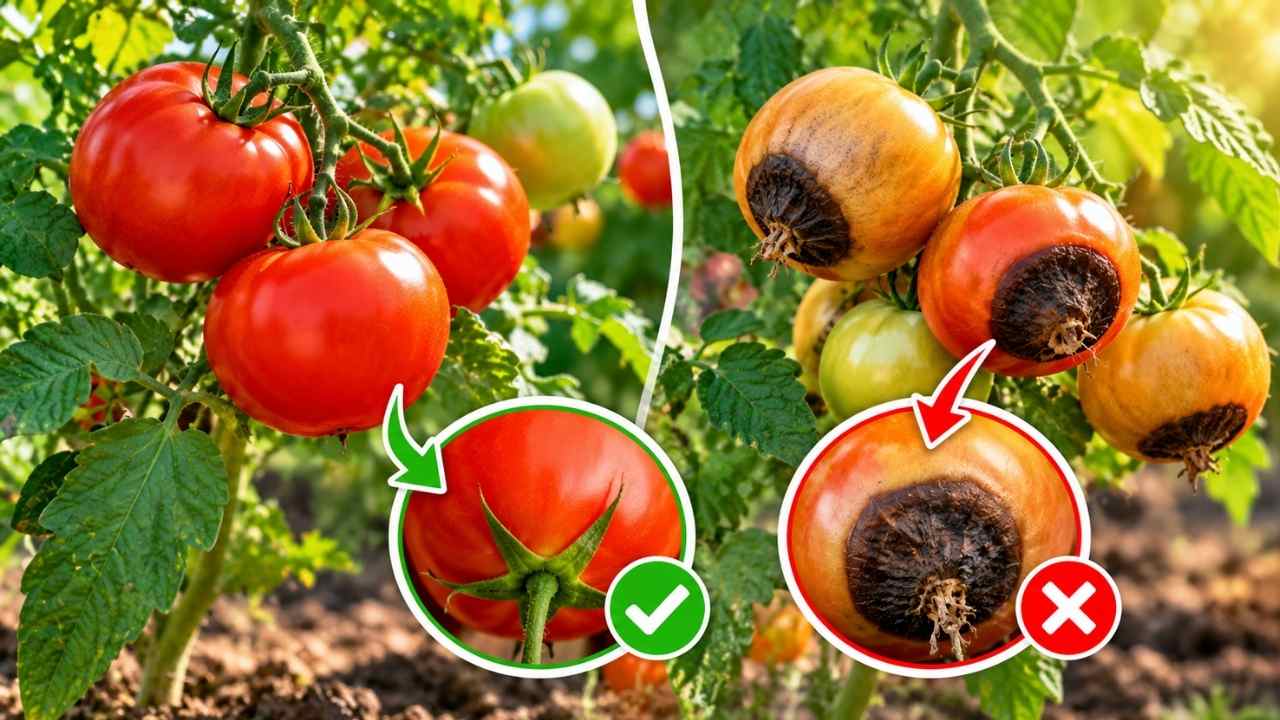
Read More: Blossom End Rot on Tomatoes
In addition, the bed uses a corrosion-resistant galvanized steel alloy known as Aluzinc. Its stated service life is more than 20 years, making it a practical option for gardeners who do not want to replace timber panels frequently. That long lifespan can also matter in rental gardens or allotments where rebuilding a bed every few seasons is inconvenient.
For a busy gardener with a 2-by-3-metre growing area, modularity can be more valuable than maximum bed size. As a result, a layout that leaves a clear walking route is easier to weed and harvest, even when the total growing area is slightly smaller.
Birdies Large Modular Metal Kit is the better fit when deep growing space and weather resistance are the main priorities. It is built from heavy-duty galvanized ZAM steel, an alloy containing zinc, aluminium, and magnesium.
That material choice gives the Birdies kit a strong weather-resistant profile. Extra depth is useful for crops that develop substantial root systems, including many tomato varieties, root vegetables, and larger perennial plants. However, deep beds require more growing medium, so delivery and filling costs should be considered before purchase.
When comparing Birdies with Vego Garden, focus on the shape and depth you can actually use. Vego offers a clearly stated nine-shape configuration system, while Birdies is particularly appealing when a large, deep metal bed is more important than maximum layout variation.
Cedar is the better option for gardeners who want a natural appearance, a classic timber structure, and generous planting space. Greenes Fence Cedar Raised Garden Bed is a leading large-bed choice because natural cedar resists rot and insects without requiring harsh chemical treatments.
The Greenes Fence kit suits a permanent vegetable plot where the bed will remain a visible part of the garden. Its approximate price is $241, so it sits above entry-level wooden frames but offers a more substantial material choice for long-term outdoor use.
Gardeners Supply Deep Root Cedar Raised Bed is aimed at crops that need more root clearance. It uses thick, rot-resistant cedar planks, so the practical advantage is depth rather than modular shape or automated watering.
| Choose this kit | When it makes sense | Main trade-off |
|---|---|---|
| Greenes Fence Cedar | You want a large, traditional cedar bed. | It needs regular manual watering and assembly space. |
| Gardeners Supply Deep Root Cedar | Your crops benefit from deeper soil. | More depth means more compost or soil to fill. |
A common mistake is to select cedar only for its appearance, then underestimate the amount of soil required. Therefore, measure the footprint and depth first. A bed that looks compact can still require several bags or a substantial bulk delivery of growing medium.
For general raised-bed planning, the Royal Horticultural Society’s raised-bed guidance offers useful advice on siting, soil, and crop selection. Furthermore, good drainage and reliable access around the bed are just as important as the frame material.
Keter Splendor or Signature Raised Bed is the most practical choice for beginners, balconies, terraces, and small patios. The unit is made from durable all-weather polypropylene resin and includes a built-in water reservoir system that reduces the need for frequent surface watering.
The approximate price range is $128–$160. Consequently, Keter is less expensive than the Vegepod Small Raised Garden Bed, while its reservoir design can still simplify routine care. It is particularly suitable for herbs, salad leaves, compact vegetables, and other plants that do not require a very deep open-ground bed.
Placement matters. Keep the planter where it receives suitable light and where the reservoir can be checked without moving the entire unit. However, a self-watering feature reduces routine effort without removing the need to inspect moisture, plant health, and drainage.
Vegepod Small Raised Garden Bed is the premium choice for gardeners who want a covered, self-watering system in a compact footprint. It combines a built-in water reservoir with a protective canopy or greenhouse cover, helping create a more controlled growing environment.
At about $269, Vegepod costs more than the Keter options. Still, the premium may be justified when protection from weather, birds, or casual garden exposure is a higher priority than the lowest purchase price.
Vegepod is most useful for someone with limited time who still wants a productive growing area. For example, a household that can check plants once each evening may value the reservoir and canopy more than a gardener with a large open plot and plenty of space.
Start with the growing location, not the product name. In practice, a simple decision process prevents most mismatches and keeps the final setup within a realistic budget.
The best raised garden bed kits should make gardening easier after installation, not create a new maintenance problem. For that reason, pay attention to access from all sides, especially if the bed will sit against a wall or fence. Reaching the centre of a wide bed can make planting and harvesting unnecessarily difficult.
Many purchasing problems come from comparing prices without comparing the complete setup. For instance, a low frame price may not include enough depth, a cover, a reservoir, or the growing medium needed to fill it.
One useful test is to mark the proposed footprint with string or cardboard before ordering. This takes only a few minutes and can reveal whether doors, paths, taps, or garden furniture will become obstructed.
Raised beds perform best when structure and planting plans are considered together. Regardless of whether the frame is metal, cedar, or resin, drainage, soil quality, sunlight, and access will influence results.
For gardeners in the UK or US, local weather patterns should also influence the decision. A highly exposed site may benefit from weather-resistant metal or a protective canopy, whereas a sheltered backyard may make the natural finish of cedar more attractive.
Vego Garden 9-in-1 Modular Metal Kit is the strongest overall option because it combines Aluzinc corrosion resistance, nine layout choices, and a stated lifespan of more than 20 years.
Keter Splendor or Signature Raised Bed is well suited to small patios because its polypropylene resin construction is weather-resistant and its built-in reservoir simplifies watering.
Cedar can be worthwhile when you want a natural appearance and resistance to rot and insects without harsh chemical treatment. Greenes Fence and Gardeners Supply offer different depth priorities.
Vegepod and Keter are the most convenient choices because both include water-reservoir features. Vegepod adds a protective canopy, while Keter has the lower approximate price range.
Neither material is universally better. Metal suits long-term durability and modular layouts, while cedar offers a traditional appearance and natural resistance to rot and insects.
Yes. Greater depth requires more growing medium, so measure the bed before buying compost or soil. Deep designs are most useful when your chosen crops need extra root clearance.
Vegepod can support compact crops, but its protective canopy may limit plant height. Check the available clearance before choosing tall tomatoes, climbing beans, or other vigorous plants.
Sunlight needs depend on the plants, not only the container. Choose a bright location that suits the crops, then monitor reservoir levels because warm weather can increase water use.
The best raised garden bed kits solve different gardening problems. Vego Garden is the most versatile overall pick, Birdies is attractive for deep and weather-resistant metal construction, and cedar remains a strong choice for large traditional beds.
For patios and busy schedules, Keter offers a practical entry point, while Vegepod adds canopy protection at a higher price. Before ordering, measure the space, estimate the filling material, and confirm the kit’s depth and maintenance features match the plants you want to grow.
Finally, retail prices and availability can change, so check the current product specifications and delivery details with the retailer before purchase.
Subscribe to the blog and newsletter to get new updates in simple, clear words straight to your inbox.
Recent Articles
Related Articles

Keengarden is your simple, friendly guide to growing healthy plants, fixing garden problems, and choosing the right tools.
© 2025 keengarden. All rights reserved. Designed by Affpilot