Gardening Made Simple.
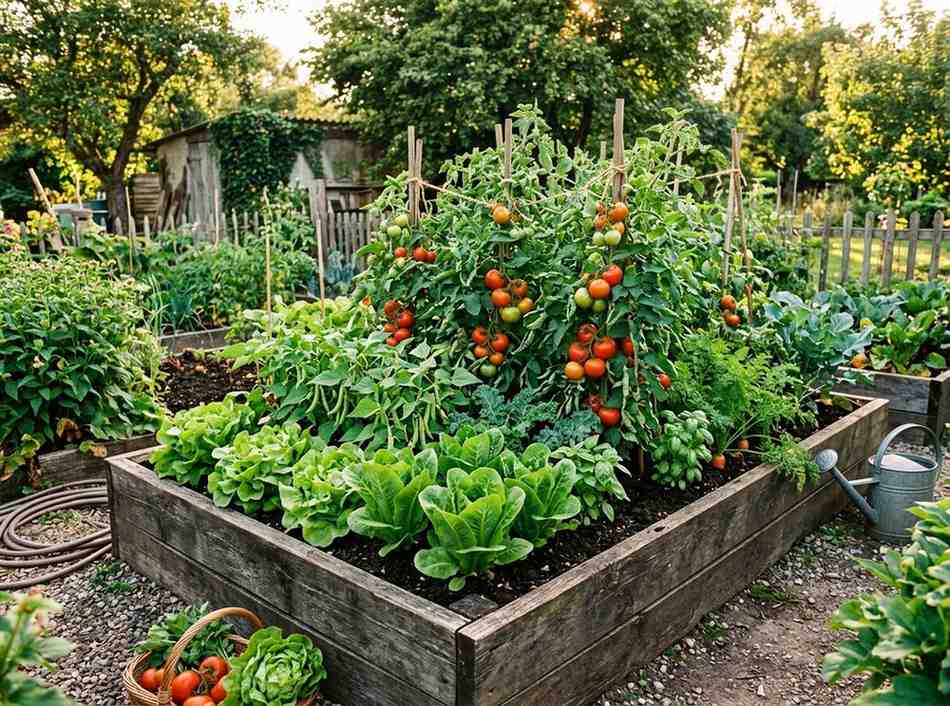
Are you looking for a natural way to boost your garden’s health and growth? Mushroom compost might be the secret ingredient you need. Understanding the Benefits of Mushroom Compost can help you improve soil quality, support healthier plants, and increase garden productivity naturally.
It’s packed with nutrients that can improve your soil, help your plants thrive, and even save you money on fertilizers. Imagine your garden flourishing with greener leaves, bigger blooms, and richer soil—all thanks to one simple addition. Keep reading to discover how mushroom compost can transform your gardening experience and why it should be part of your routine.
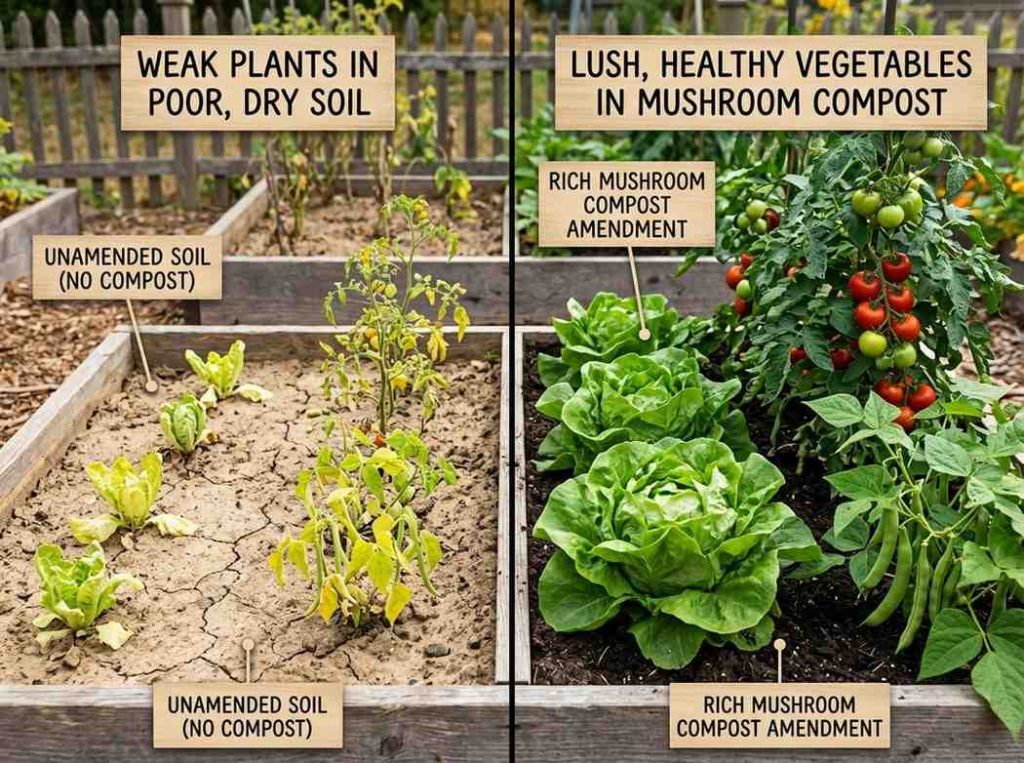
Enhancing soil fertility is essential for healthy plant growth and higher yields. Mushroom compost is a natural way to improve soil quality. It supplies many benefits that support soil health and plant development.
Mushroom compost contains key nutrients like nitrogen, phosphorus, and potassium. These nutrients help plants grow strong and green. It also has trace minerals that plants need but rarely get from other sources. This compost slowly releases nutrients, feeding plants over time.
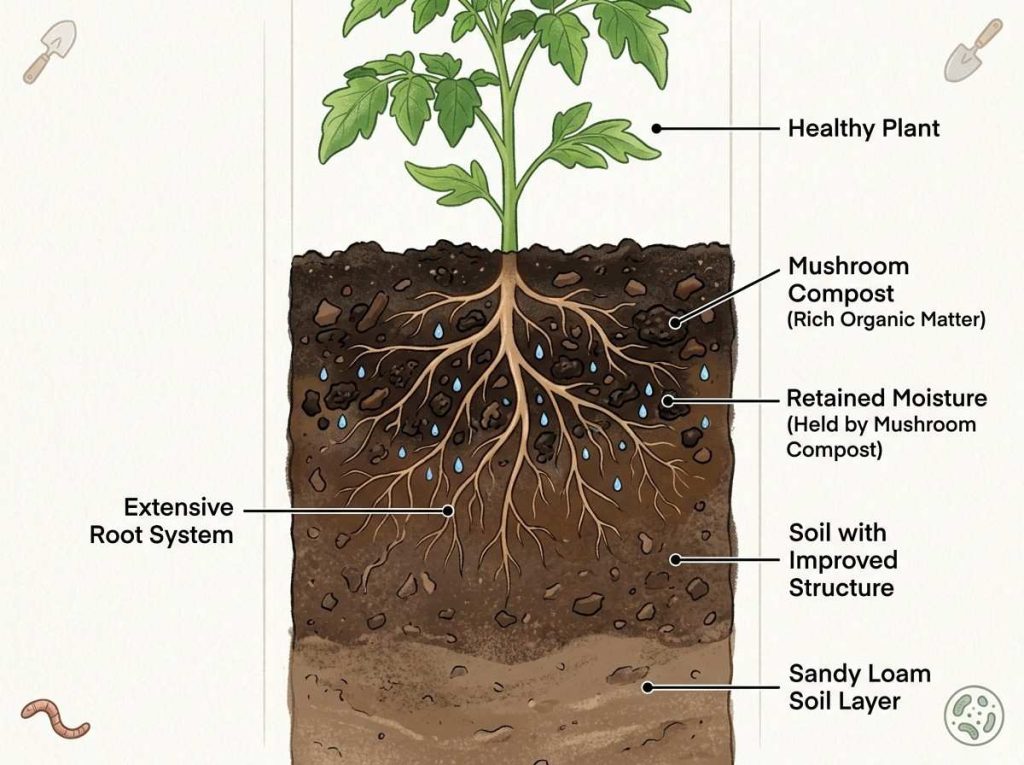
The compost adds organic matter that makes soil soft and crumbly. This improved texture helps soil hold water and air better. Roots can spread easily in loose soil, which boosts plant health. It also reduces soil erosion and compaction.
Mushroom compost encourages helpful microbes to thrive in the soil. These microbes break down organic matter and release nutrients. They also protect plants from some diseases. Active microbial life leads to healthier, more fertile soil.
Mushroom compost helps plants grow faster and healthier. It supplies many nutrients that plants need. The compost also improves soil quality. This creates a good environment for plants to thrive. Using mushroom compost can lead to better plant growth in many ways.
Mushroom compost speeds up seed sprouting. Seeds absorb water quickly from the rich compost. This helps them break their outer shell faster. A warm and moist environment from the compost helps too. Seeds start growing sooner and stronger.
The compost improves soil texture and moisture. This makes it easier for roots to grow deep. Healthy roots take up more nutrients and water. Mushroom compost also adds beneficial microbes to soil. These microbes support root health and protect from diseases.
Plants grown with mushroom compost produce more fruits and vegetables. The nutrients in compost feed plants through their life cycle. Better root systems and faster growth help plants make more. Gardeners and farmers see bigger harvests with mushroom compost use.
Mushroom compost improves soil health by adding important nutrients and organic matter. It helps soil stay healthy and supports plant growth. Using mushroom compost makes soil stronger and better at holding water and nutrients.
Mushroom compost holds water well in the soil. It keeps moisture near plant roots longer. This helps plants stay hydrated during dry times. Better water retention means less watering is needed.
The compost helps soil stick together. This prevents soil from washing away during rain. Strong soil means plants have a stable place to grow. Reduced erosion protects the garden and keeps soil healthy.
Mushroom compost can balance soil pH. It makes soil less acidic or less alkaline. Balanced pH helps plants absorb nutrients better. Healthy pH supports strong root growth and plant health.
Mushroom compost offers many environmental advantages for gardeners and farmers. It helps protect the planet by reducing waste and lowering chemical use. Using mushroom compost supports healthier soil and plants without harming nature.
It is a natural product made from recycled materials. This makes it a smart choice for those who want to garden responsibly. Its benefits go beyond just improving plant growth. It also helps create a cleaner, greener world.
Mushroom compost is made from leftover materials like straw and manure. These would otherwise go to landfills and create pollution. Composting turns waste into useful soil food. This process cuts down the amount of trash sent to dumps. It also reduces greenhouse gases released by rotting waste. Using mushroom compost helps recycle organic matter and protects the environment.
Mushroom compost provides natural nutrients for plants. It reduces the need for synthetic fertilizers and pesticides. Chemicals can harm soil life and pollute water sources. Mushroom compost improves soil health and plant resistance to pests. This means fewer chemicals are required. Growing plants with less chemicals helps keep ecosystems safe and clean.
Using mushroom compost supports sustainable gardening methods. It enriches soil structure and water retention naturally. This reduces the need for frequent watering and soil amendments. Healthy soil promotes strong plants that grow well over time. Sustainable gardening saves resources and protects the earth. Mushroom compost is an eco-friendly choice for long-term garden care.
Applying mushroom compost correctly helps plants grow healthy and strong. This section shares easy tips on how to use mushroom compost in your garden. Follow these steps to get the best results from this natural soil booster.
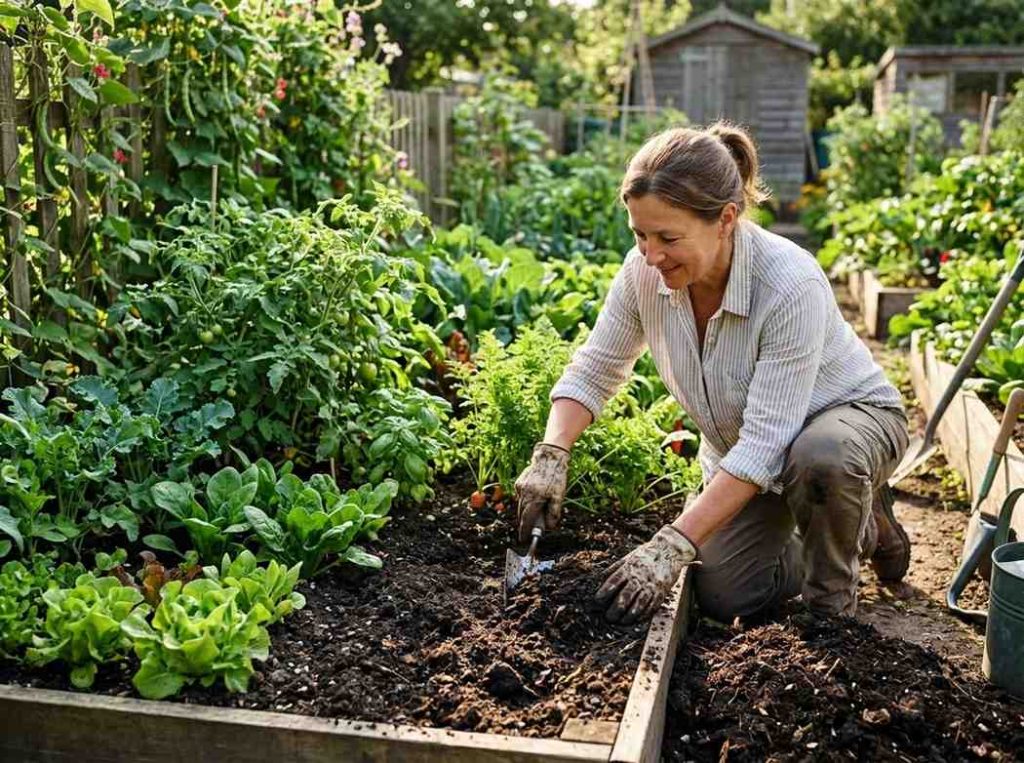
Spread mushroom compost evenly over the soil surface. Mix it gently into the top 2 to 3 inches of soil. This helps nutrients reach plant roots. Use it as mulch around plants to keep soil moist. Avoid piling compost too close to plant stems. This prevents root damage and disease.
Mushroom compost works well with vegetables like tomatoes, peppers, and cucumbers. It also benefits flowers such as roses, marigolds, and petunias. Use it for shrubs and trees to improve soil texture. Avoid using it on acid-loving plants like azaleas and blueberries. These plants prefer different soil types.
Apply mushroom compost once or twice a year for best results. Use about 1 to 3 inches of compost on garden beds. For potted plants, mix one part compost with two parts potting soil. Avoid overusing mushroom compost to prevent salt buildup. Regular, moderate use encourages healthy plant growth.
Mushroom compost enriches soil by adding nutrients and improving texture for healthy plant growth.
It boosts soil fertility, retains moisture, and helps soil stay loose for better root growth.
Yes, it can suppress some soil-borne diseases by improving soil health and promoting strong plants.
Most plants benefit, but avoid using it too much on acid-loving plants like blueberries.
Apply mushroom compost once or twice a year to keep soil nutrient-rich and healthy.
Mushroom compost helps plants grow strong and healthy. It improves soil by adding nutrients and moisture. Using it saves money and reduces waste. Gardeners enjoy better flowers, fruits, and vegetables. It supports earthworms and beneficial microbes in the soil. Easy to use and eco-friendly too.
Try mushroom compost to make your garden thrive. Simple, natural, and good for the earth. A smart choice for every gardener.