Gardening Made Simple.
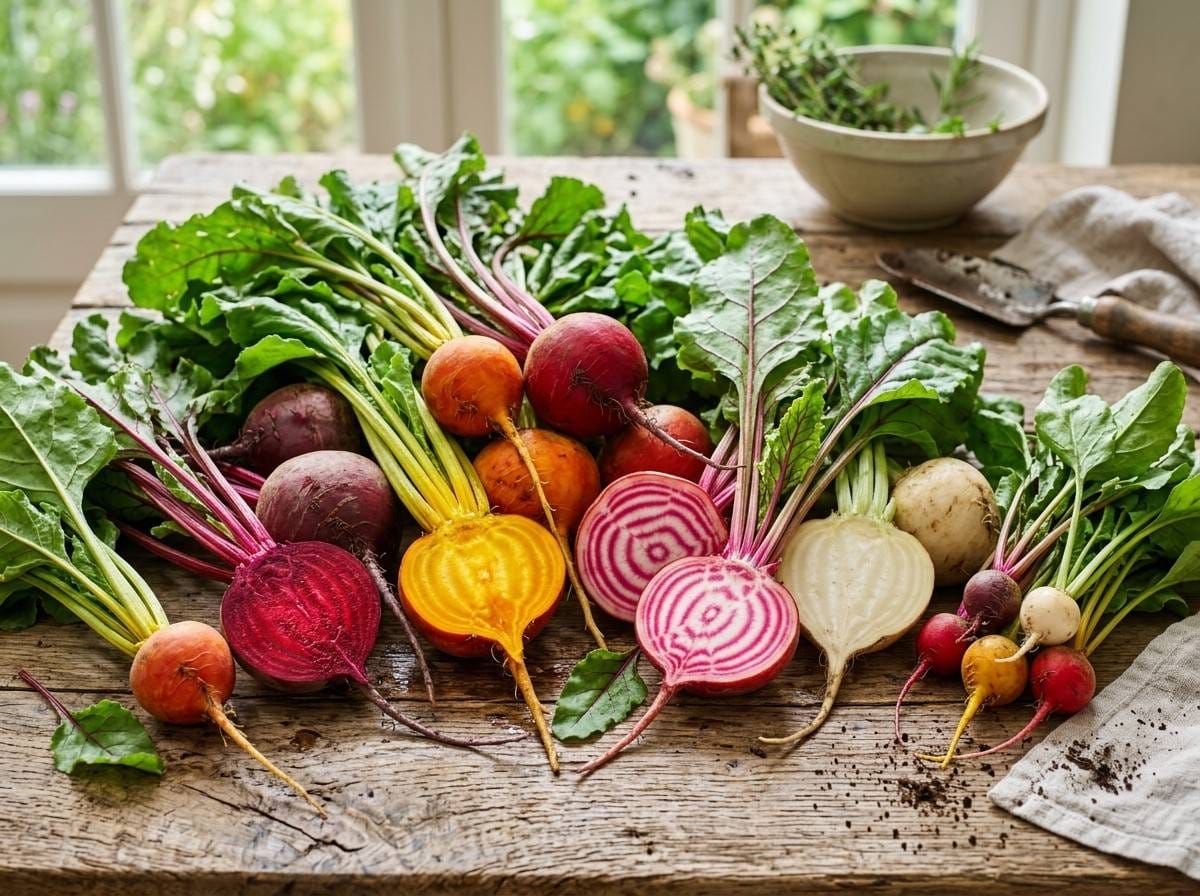
Beets are much more than just a red vegetable on your plate. They come in many colors, shapes, and flavors, offering unique tastes and health benefits. Today, you’ll discover the world of different kinds of beets—from classic red varieties to unusual golden and striped types.
Whether you’re a home gardener, a curious cook, or just someone who wants to try new foods, understanding the many types of beets will help you choose the best ones for your needs. You’ll also learn how to use and store them, get practical tips, and even see how they compare in nutrition and taste. Let’s explore the fascinating universe of beets and make your next meal more colorful and healthy.
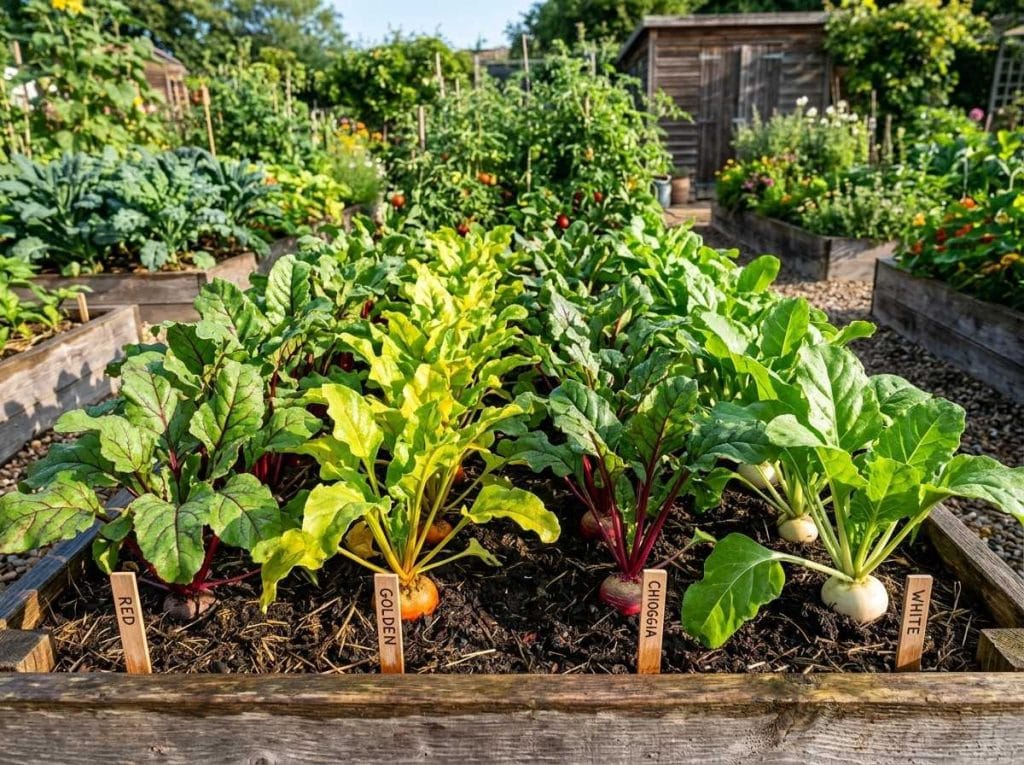
Beets, also known as beetroot, belong to the Beta vulgaris species. They are grown for their edible roots and leaves. Beets are famous for their earthy flavor and vibrant colors, but few realize that they also pack impressive nutrition. A single cup of cooked beets contains about 58 calories, 13 grams of carbohydrates, and 3.8 grams of fiber. They are rich in folate, vitamin C, and potassium, making them a healthy choice for many diets.
One non-obvious insight: beets are also used in industrial ways, such as producing sugar from sugar beets. This variety is not commonly eaten, but it dominates global sugar production. Another fact beginners miss: beet greens (the leaves) are edible and even more nutritious than the roots, with higher levels of vitamins A and K.
Beets come in several main types, each with unique features. Let’s look at the most common varieties you’ll find in stores and gardens.
Red beets are the classic type most people know. Their deep red color comes from betalain pigments, which can stain hands and surfaces. The flavor is earthy and sweet, especially when roasted or boiled.
Popular red beet varieties:
Red beets are used for pickling, salads, and as a cooked vegetable. They are often shredded for borscht, a famous Eastern European soup.
Golden beets stand out because of their yellow-orange color. They taste milder and less earthy than red beets. When cooked, they stay bright and add a sunny touch to dishes.
Common golden beet varieties:
Golden beets don’t stain like red beets, making them easier to handle in the kitchen. They are great for roasting, salads, and even juicing.
Striped beets, also known as Chioggia beets, look stunning when sliced. Their flesh has red and white rings, resembling a candy cane.
Main striped beet types:
Striped beets are popular for their appearance and mild flavor. Use them raw in salads to showcase their patterns, or lightly cook to maintain the stripes.
White beets are less common. They have a pale, creamy color and a very mild taste. Some people prefer them because they don’t stain and are less earthy.
Typical white beet varieties:
White beets are mostly grown for specialty markets and home gardens.
Sugar beets are grown mainly for making sugar, not for eating. They are larger, white, and contain up to 18% sugar by weight. Most table sugar in Europe and North America comes from sugar beets.
Sugar beets are rarely found in grocery stores for eating, but they are important in agriculture.
To help you choose the right beet for your needs, see how the main types compare in color, flavor, and common uses.
| Type | Color | Flavor | Main Uses |
|---|---|---|---|
| Red Beet | Deep Red | Earthy, Sweet | Pickling, Roasting, Soups |
| Golden Beet | Yellow-Orange | Mild, Sweet | Salads, Roasting, Juicing |
| Striped Beet | Red & White Rings | Mild, Slightly Sweet | Raw, Salads, Garnish |
| White Beet | White | Very Mild | Slicing, Salads |
| Sugar Beet | Pale White | Not Eaten | Sugar Production |
Beyond the main types, there are other interesting beet varieties worth exploring.
Some heirloom varieties, like Burpee’s Golden and Red Ace, are prized for their unique flavors and colors.
Beets are packed with nutrients that benefit your health. They contain betalains (antioxidants), nitrates (good for heart health), and lots of vitamins and minerals.
A few key stats:
Beets are linked to lower blood pressure, improved athletic performance, and better digestion.
| Type | Calories (per cup) | Fiber (g) | Folate (%) | Manganese (%) |
|---|---|---|---|---|
| Red Beet | 58 | 3.8 | 13 | 22 |
| Golden Beet | 60 | 4.0 | 12 | 20 |
| Striped Beet | 55 | 3.6 | 14 | 21 |
| White Beet | 54 | 3.5 | 11 | 19 |
Note: Nutrition changes slightly with color, but all types are healthy.
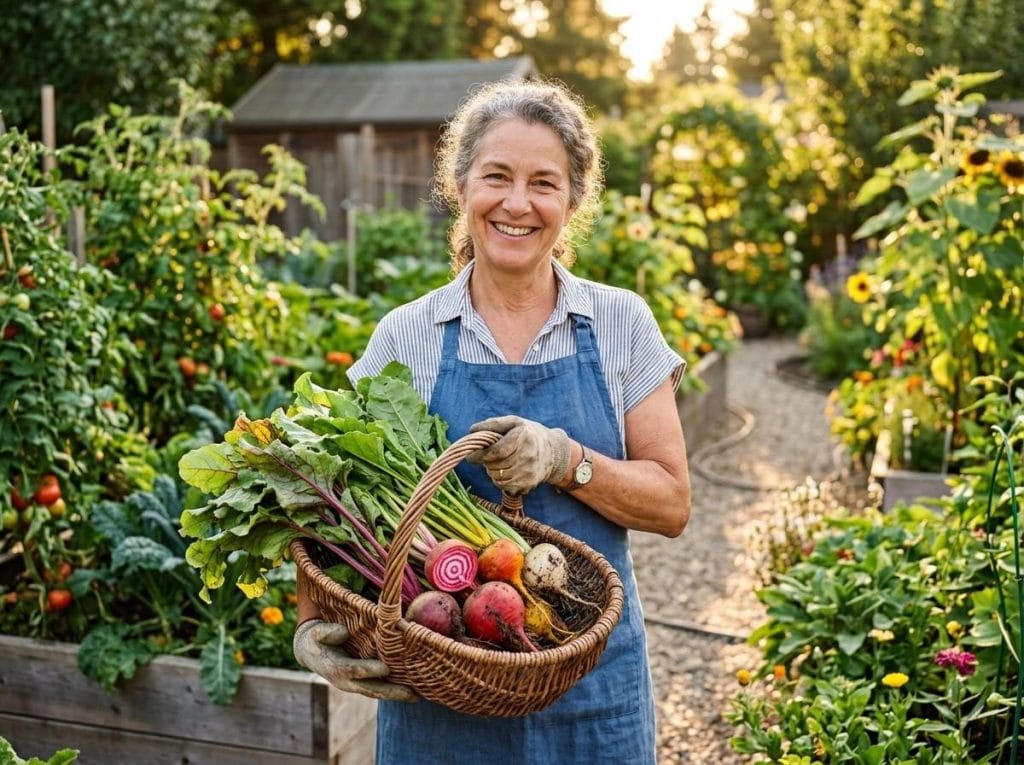
Growing beets is easy and rewarding. They grow best in cool weather, with well-drained soil and full sun. Most varieties mature in about 50–70 days.
Key steps for growing beets:
Beginner tip: If you want both roots and greens, try varieties like Early Wonder or Lutz Green Leaf. These offer tasty leaves and roots.
Common mistakes:
Each beet variety has unique uses in cooking. Here’s how to make the most of their flavors and colors.
Practical tip: Mix beet types in one dish for a rainbow effect and varied flavors.
Beets store well, but each type lasts differently. Here’s how to keep them fresh:
Beets can be pickled, canned, or frozen. Red beets are best for pickling, while golden and white types are better for fresh eating.
A common mistake: washing beets before storing. Instead, brush off dirt and wash only before use to prevent mold.
Understanding beet flavors helps you cook better dishes. Here’s a quick breakdown:
Some people don’t like the earthy taste of red beets. Try golden or striped varieties for a milder option.
Beets suit many diets. They are gluten-free, vegan, and low in fat. For people with food sensitivities, golden or white beets are easier to digest.
Athletes often use beet juice for nitrate content, which improves blood flow and stamina.
Diabetics should watch portions, as beets are high in natural sugars. Sugar beets are not eaten, so they don’t affect diet directly.
Beets have a long history in food culture. They are central in dishes like borscht in Russia and Ukraine, and in salads in the Mediterranean.
In Italy, Chioggia beets are celebrated for their beauty. In the US, pickled beets are popular in Southern cuisine.
One insight: in ancient times, beets were used as medicine, not food. Greeks and Romans believed they improved health and digestion.
When buying beets, look for:
Each variety has its own best uses. Choose red for pickling, golden for salads, and striped for visual appeal.
If you want easy preparation, choose golden or white beets—they don’t stain.
A beginner mistake: buying large beets, which can be woody. Medium or small beets are sweeter and more tender.
Beets are eco-friendly. They need little water and grow in many climates. Sugar beets are a major crop in Europe and North America, used for sugar production.
Growing beets at home reduces food waste and carbon footprint. They store well and can be eaten root-to-leaf.
For more information on beet farming, see Wikipedia.
Different kinds of beets feature in global cuisine. Here are a few examples:
Trying beets from different cuisines helps you enjoy their varied flavors.
Beets are often confused with turnips, carrots, and radishes. Here’s how they compare:
| Vegetable | Color | Flavor | Main Nutrient |
|---|---|---|---|
| Beet | Red, Yellow, Striped, White | Earthy, Sweet | Folate |
| Carrot | Orange, Purple, Yellow | Sweet, Mild | Vitamin A |
| Turnip | White, Purple | Peppery, Mild | Vitamin C |
| Radish | Red, White, Black | Spicy, Crisp | Vitamin C |
Beets offer more color variety and sweeter flavor than most root vegetables.
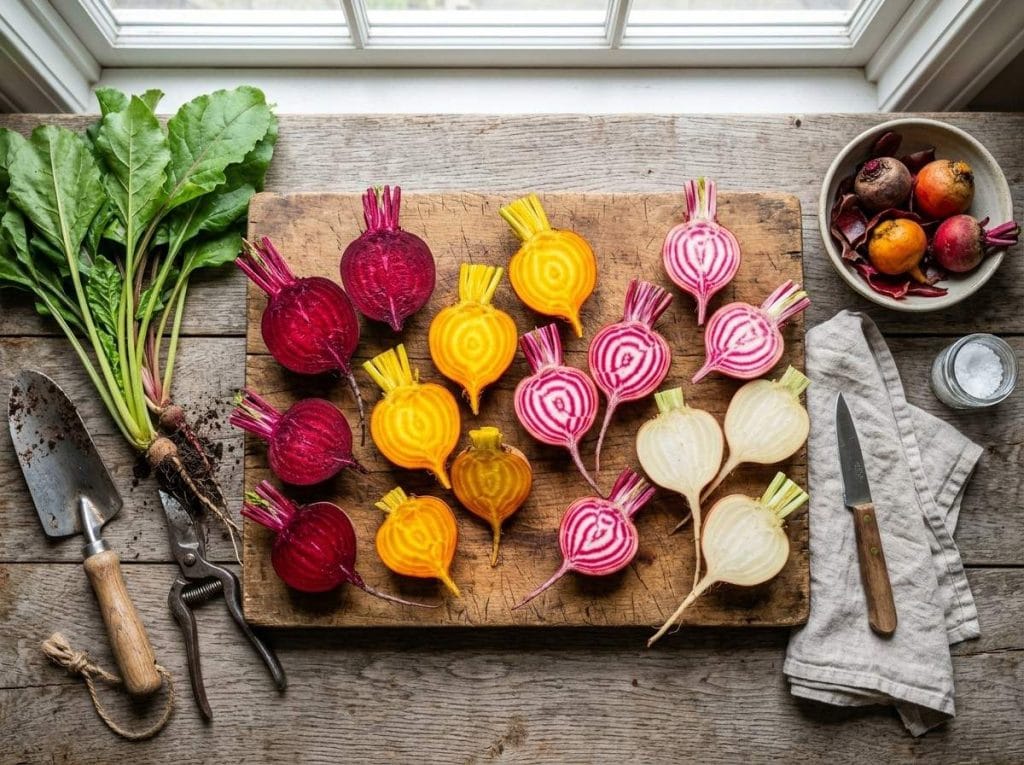
All beets are healthy, but red beets have the most antioxidants due to their betalain pigments. Golden beets are higher in vitamin C, while beet greens are richest in vitamins A and K.
Yes, beet greens are edible and very nutritious. Sauté, steam, or use raw in salads. They taste like spinach, but are higher in nutrients.
Red beets contain strong pigments called betalains. These pigments stick to skin and surfaces. Wearing gloves helps prevent stains.
No, sugar beets are mainly used to make sugar. Their roots are not eaten like other beet varieties.
Cut off the leaves, keep roots in a cool, dry place, and avoid washing before storage. Beets can last up to 3 months if stored properly.
Beets are a versatile, healthy, and colorful vegetable. By learning about the different kinds of beets, you can make better choices for your kitchen, garden, and health. Try new varieties, mix colors in dishes, and enjoy the unique flavors each beet brings. Whether you cook them, pickle them, or eat them raw, beets offer a world of taste and nutrition waiting for you to explore.