Gardening Made Simple.
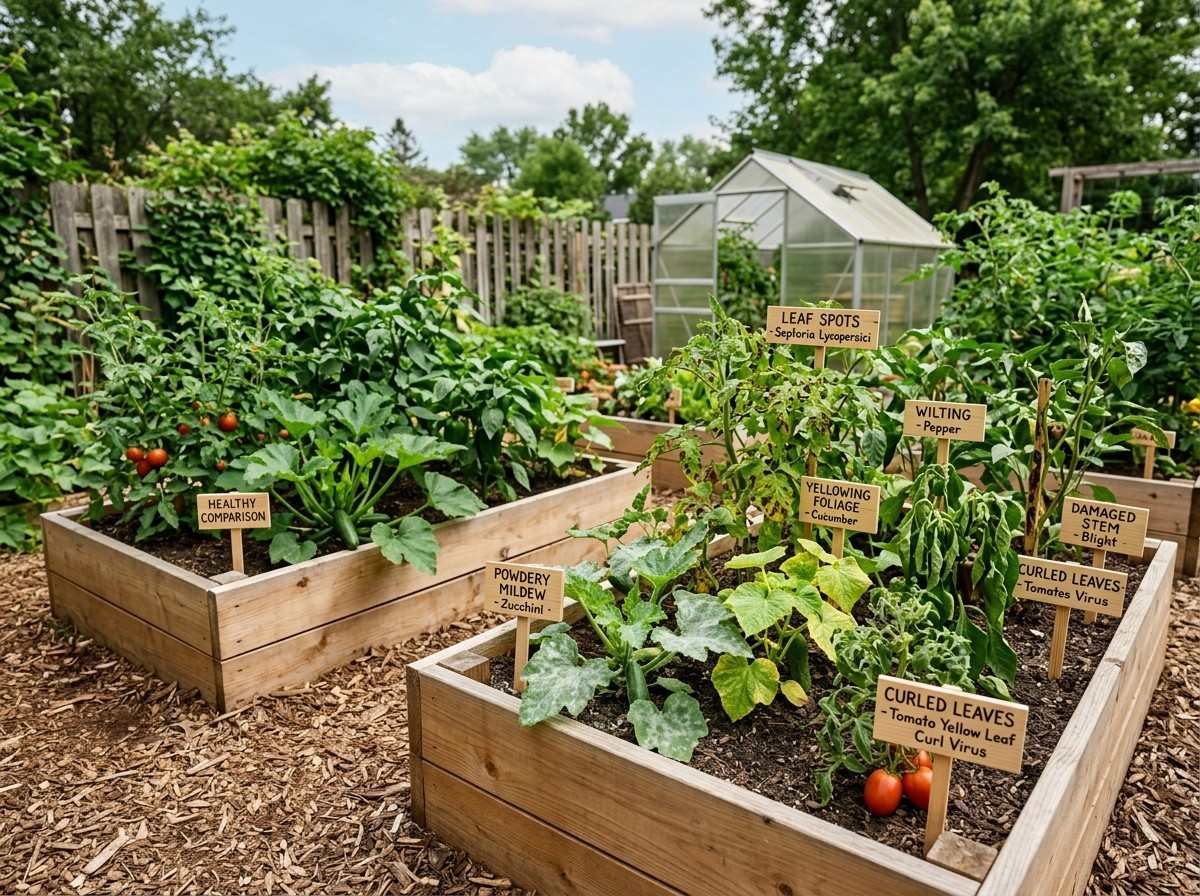
Have you ever noticed strange spots on your plants or leaves that look unhealthy? These signs could mean your garden is fighting a hidden enemy—plant diseases. Learning How to Identify Plant Diseases in Garden can help you recognize common symptoms early, understand possible causes, and take appropriate action before the problem spreads. From discolored leaves to unusual growth, knowing what to look for is an important step toward keeping your garden healthy and productive.
Knowing how to spot these problems early can save your plants and keep your garden thriving. You’ll learn simple ways to identify common plant diseases quickly and accurately. By understanding what to look for, you’ll feel more confident and in control, turning your garden into a healthy, vibrant space you’ll love.
Keep reading to discover the easy steps that can make a big difference for your plants.
Plants in gardens face many threats from diseases. These diseases can stop plants from growing well or even kill them. Knowing common plant diseases helps gardeners protect their plants early. Recognizing signs of disease is the first step in saving your garden.
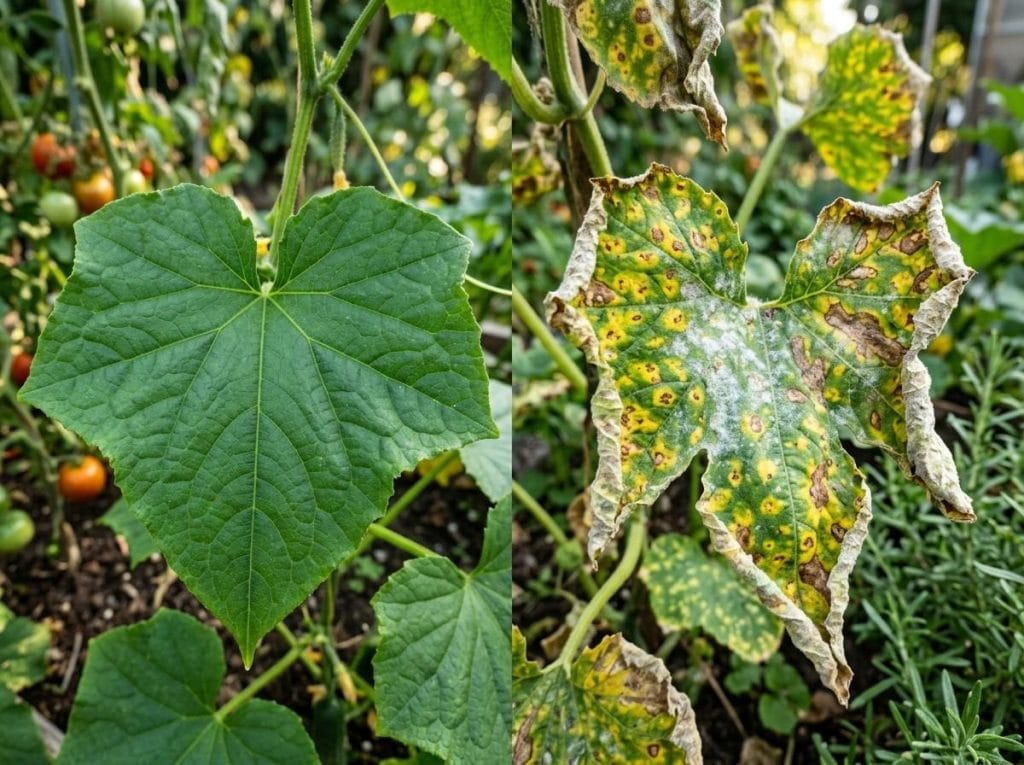
Fungal infections are the most common plant diseases. They cause spots, mold, and rotting on leaves and stems. Powdery mildew appears as white powder on leaves. Leaf spot creates dark, round marks. Root rot makes roots soft and brown. Fungi spread quickly in wet and warm conditions.
Bacterial diseases cause wilting, yellowing, and spots on plants. Bacterial leaf spot shows dark, water-soaked spots. Soft rot makes plant tissue mushy and smelly. Fire blight causes branches to look burnt. Bacteria enter through wounds or natural openings. Clean tools and remove infected parts to stop spread.
Viral disorders change plant color and shape. Leaves may curl, turn yellow, or show mosaic patterns. Plants grow stunted and produce fewer flowers or fruits. Viruses spread through insects like aphids or by tools. There is no cure. Remove infected plants quickly to protect others.
Detecting plant diseases early helps save your garden from damage. Plants show clear signs when they are sick. Watch closely for changes in leaves, stems, and growth. These signs help identify the problem quickly. Acting fast can protect your plants and keep your garden healthy.
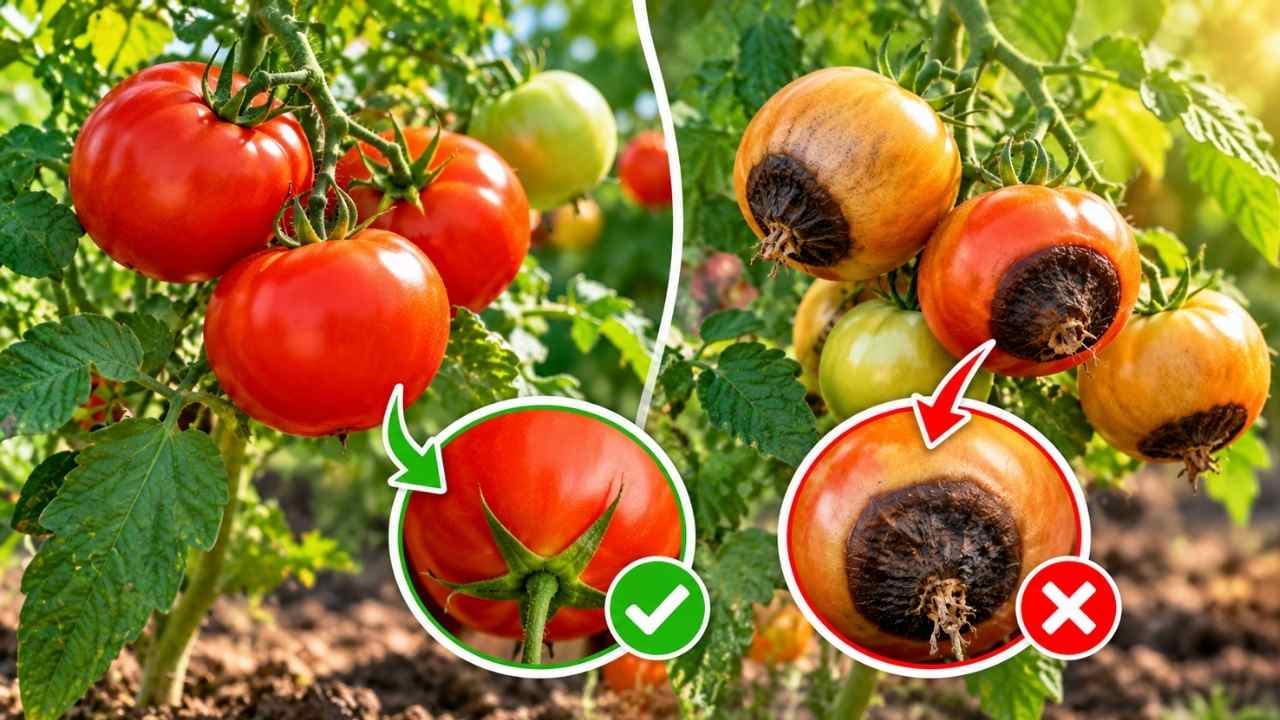
Spots on leaves often mean infection or pests. These spots may be brown, black, yellow, or white. They can be round or irregular in shape. Look for edges that are dark or faded. Discoloration can spread from the leaf edges inward. This often signals fungal or bacterial disease. Yellowing leaves may also mean nutrient issues.
Wilting leaves or stems show plants under stress. Lack of water causes wilting, but disease can too. Root rot or vascular diseases block water flow. Leaves may droop even with enough water. Watch for sudden drooping during the day. Wilting that does not improve overnight is a warning.
Look for strange bumps, lumps, or blisters on plants. These growths can be galls caused by insects or fungi. Mold often appears as fuzzy or powdery patches. Colors may be white, gray, black, or green. Mold usually grows on leaves, stems, or soil. Unusual growths weaken plants and reduce yield.
Identifying plant diseases early helps save your garden. Using the right tools makes diagnosis easier and more accurate. These tools give clear views and facts about your plants' health. Here are some helpful tools to check plant diseases.
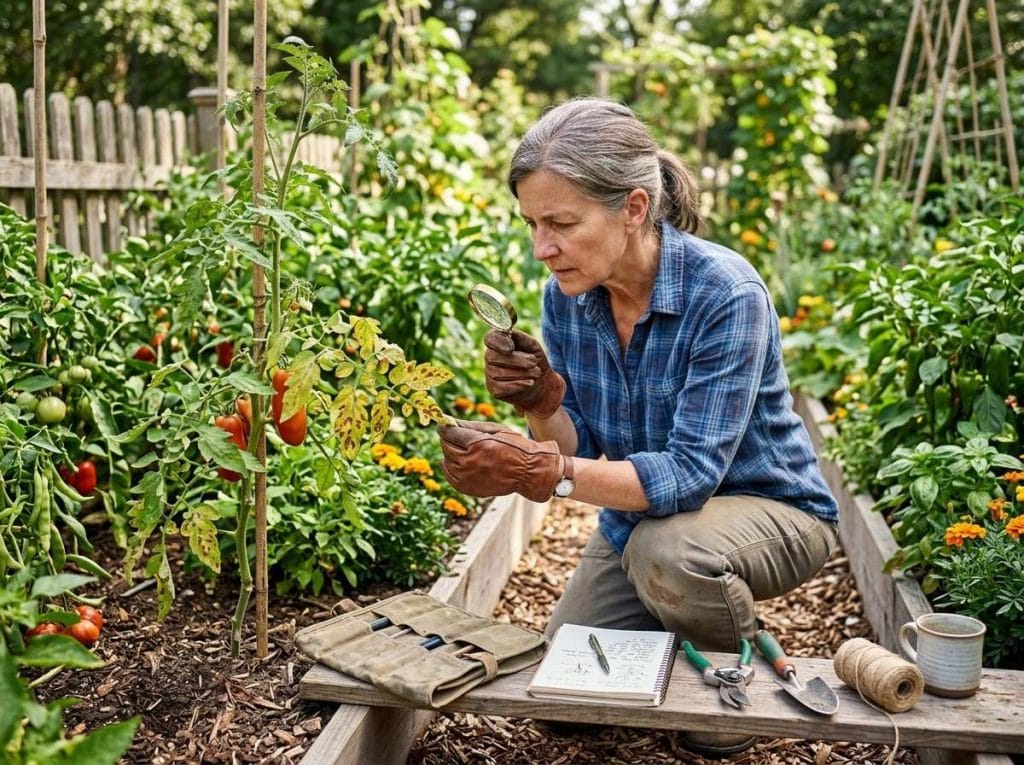
A magnifying glass or hand lens shows small details on leaves and stems. You can see tiny insects, spores, or damage easily. These tools enlarge small spots and help spot disease signs. They are cheap and easy to use in any garden.
Testing kits measure nutrients and pH levels in soil and leaves. They detect imbalances that cause disease or poor growth. Kits provide quick results and guide you to fix soil problems. Healthy soil helps plants resist many diseases naturally.
Mobile apps use your phone camera to identify plant issues. Snap a picture, and the app suggests possible diseases. Apps also offer advice on treatment and care. They are handy tools for gardeners with little plant knowledge.
Identifying plant diseases early helps save your garden. Follow clear steps to spot problems fast. This makes treatment easier and keeps plants healthy.
Look closely at leaves and stems every few days. Check for spots, discoloration, or holes. Yellow or brown spots often show disease. Wilting or curling leaves can mean trouble. Examine stems for cracks or unusual growths. Soft, mushy stems usually indicate rot. Catching these signs early helps prevent spread.
Gently remove the plant from its pot or soil. Look at the roots carefully. Healthy roots are white or light brown and firm. Dark, slimy, or smelly roots suggest root rot or fungus. Check for roots that break easily. Bad roots stop the plant from absorbing water. Fix root problems quickly to save the plant.
Observe the garden environment closely. Plants need the right light, water, and air. Too much water causes mold and rot. Too little water causes wilting and stress. Poor air circulation promotes fungal growth. Temperature extremes can weaken plants. Adjust conditions to support strong, healthy growth.
Preventing plant diseases is easier than curing them. Taking early steps keeps your garden healthy. Simple habits can stop many problems before they start. Focus on care routines that protect plants daily.
Good habits reduce stress on plants. Healthy plants resist diseases better. Use these preventive measures to keep your garden thriving.
Water plants at their base, not on leaves. Wet leaves invite fungi and bacteria. Water in the morning to allow drying. Avoid overwatering; it creates root rot risk. Use drip irrigation or soaker hoses for best results.
Give plants enough space to grow. Crowded plants trap moisture and heat. Good airflow stops mold and mildew growth. Proper spacing lets sunlight reach all parts. Trim dense foliage to improve air movement.
Choose seeds or plants bred to fight diseases. Resistant varieties reduce the need for chemicals. Ask local nurseries about best choices. Planting strong varieties saves time and effort. Rotate crops yearly to prevent soil diseases.
Treating plant diseases quickly helps save your garden. Knowing the right options prevents disease spread. Choose treatment based on disease type and plant health. Some methods work naturally, others use chemicals. Proper care improves plant recovery and growth.
Organic remedies use natural ingredients to fight diseases. Neem oil, baking soda, and garlic spray help control pests and fungi. These remedies are safe for the environment and beneficial insects. Apply regularly for best results. They strengthen plant defenses without harmful side effects.
Chemical treatments include fungicides, insecticides, and bactericides. They act fast and target specific diseases. Use chemicals carefully and follow label instructions. Overuse can harm plants and soil life. Reserve chemicals for severe infections or when organic methods fail.
Cutting away diseased leaves, stems, or branches stops disease spread. Use clean, sharp tools to avoid damage. Dispose of infected parts far from your garden. Pruning improves air flow and sunlight, helping plants stay healthy. Regular checks and removal keep disease under control.
Knowing when to ask for expert help can save your garden. Some plant diseases need special care beyond basic treatment. Recognizing these moments helps prevent damage and loss.
Severe infections show fast spreading and deep damage. Leaves may turn brown or black quickly. Plants might wilt or die despite watering. Spots or mold grow rapidly on stems and leaves. These signs mean the problem is serious. Acting quickly is important to stop the spread.
Local extension services offer free or low-cost advice. They have experts trained in plant diseases. You can send photos or samples for diagnosis. They give clear steps to treat or manage problems. These services are a trusted resource for gardeners.
Professional gardeners bring experience and tools to the garden. They spot subtle signs of disease early. They know which treatments work best and safest. Hiring them saves time and reduces mistakes. Their help keeps plants healthy and strong.
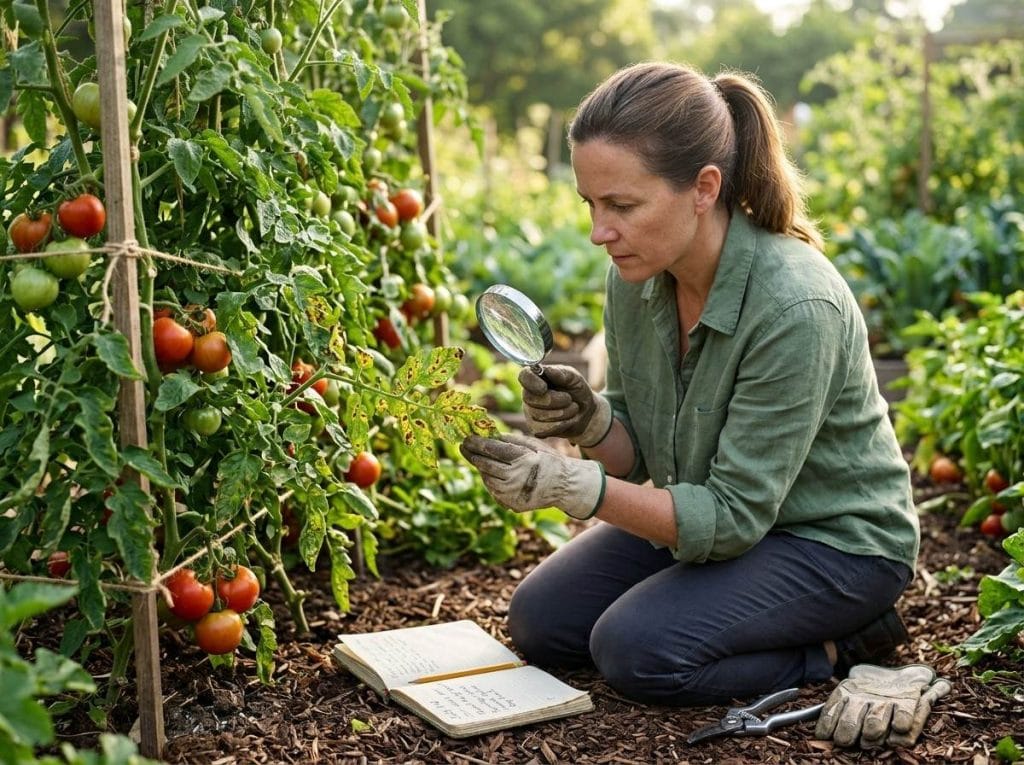
Look for spots, discoloration, wilting, or unusual growth on leaves. Also, check for mold or fungus on stems and soil.
Fungal infections often show powdery or fuzzy patches on leaves and stems. They may cause leaf spots or root rot too.
A magnifying glass and a plant disease guidebook help spot disease details. Smartphone apps can also assist in quick disease identification.
Wet, humid, and warm conditions encourage many plant diseases. Dry and windy weather usually reduces disease spread.
Isolate a plant when symptoms like spots or wilting appear. This prevents disease from spreading to healthy plants nearby.
Healthy plants need close attention and care. Watch for spots, wilting, or unusual colors. Early signs help stop diseases fast. Use simple tools to check leaves and stems. Clean tools prevent spreading germs. Keep soil healthy and water right. Learning to spot problems saves time and plants.
Stay patient and observant in your garden. Small steps bring big results. Your garden will thank you with strong, vibrant growth.