Gardening Made Simple.

Imagine having fresh, vibrant parsley right at your fingertips every day, no matter the season. Learning How to Grow Parsley Indoors is easier than you think, allowing you to enjoy flavorful, homegrown herbs year-round right from your kitchen.
If you’ve ever struggled to keep herbs alive or found yourself buying wilted bunches from the store, this guide is made for you. By the end, you’ll know exactly how to create the perfect indoor environment to grow healthy, lush parsley all year long.
Ready to turn your home into a green oasis? Let’s dive in!
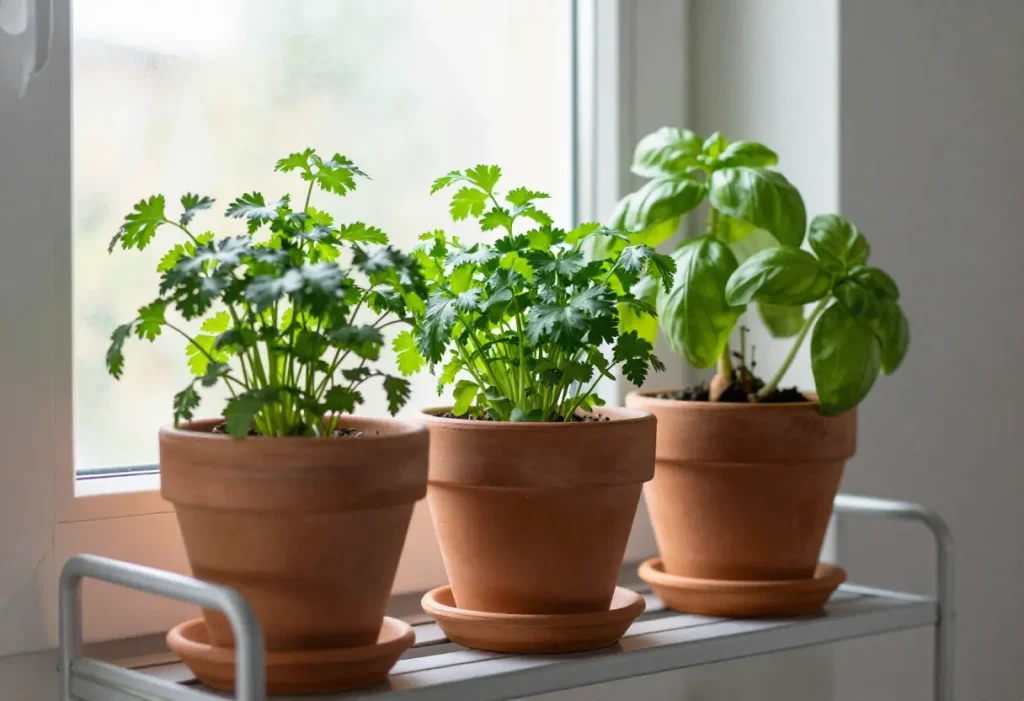
Choosing the right parsley is key to growing healthy plants indoors all year. Parsley types differ in looks, taste, and growth habits. Picking the best type helps you enjoy fresh parsley anytime.
Flat leaf parsley has smooth, broad leaves and a strong flavor. It is easier to chop and often used in cooking. Curly leaf parsley has ruffled leaves with a milder taste. It looks decorative and is common as a garnish. Flat leaf parsley grows faster and is better for indoor growing.
Choose varieties that stay compact and grow well in pots. ‘Italian Flat Leaf’ is popular for its flavor and easy care. ‘Triple Curled’ is a curly type that stays small and looks nice inside. Select parsley labeled as suitable for container growing. These types adapt well to indoor light and space limits.
Choosing the right container is key to growing parsley indoors all year. A good pot supports healthy roots and steady growth. It also fits your space and style. Think about size, material, and drainage. These factors help parsley thrive inside your home.
Pick a pot at least 8 inches deep. Parsley roots grow long and need room. A wider container allows the plant to spread. Clay pots breathe well and stop water build-up. Plastic pots keep moisture longer and are lighter. Choose what fits your space and watering habits.
Drainage holes prevent water from pooling at the bottom. Standing water causes root rot and kills the plant. If your pot has no holes, drill some carefully. Use a saucer to catch extra water. Add small stones at the bottom to improve drainage. Proper drainage keeps parsley roots healthy and happy.
Growing parsley indoors needs good soil and smart planting. Parsley grows best in soil that holds water but drains well. The right soil mix helps the plant get nutrients and stay healthy. Choosing between seeds and transplants affects how fast your parsley grows. This section explains soil and planting tips for year-round parsley.
Use light, loose soil for parsley. A mix of potting soil and sand works well. The soil should keep moisture but not stay soggy. Parsley roots need air and water to grow strong. Adding some compost helps feed the plant naturally. Avoid heavy clay soils that can hold too much water. Good soil gives parsley a strong start indoors.
Sowing seeds is simple but slow. Parsley seeds take two to three weeks to sprout. Keep the soil moist but not wet. Seeds need warmth to grow well inside. Transplants grow faster since they start bigger. Buy small parsley plants from a garden store. Plant them carefully in your potting mix. Transplants give quicker harvests but cost more than seeds.
Parsley needs the right light to grow well indoors all year. Light helps the plant make food and stay healthy. Without enough light, parsley grows slow and weak. Giving parsley the best light helps it stay green and fresh.
Parsley needs about 6 hours of sunlight each day. A bright window facing south or west works best. Avoid windows with too much shade. Keep the plant close to the window but not too hot. Rotate the pot now and then for even light on all leaves.
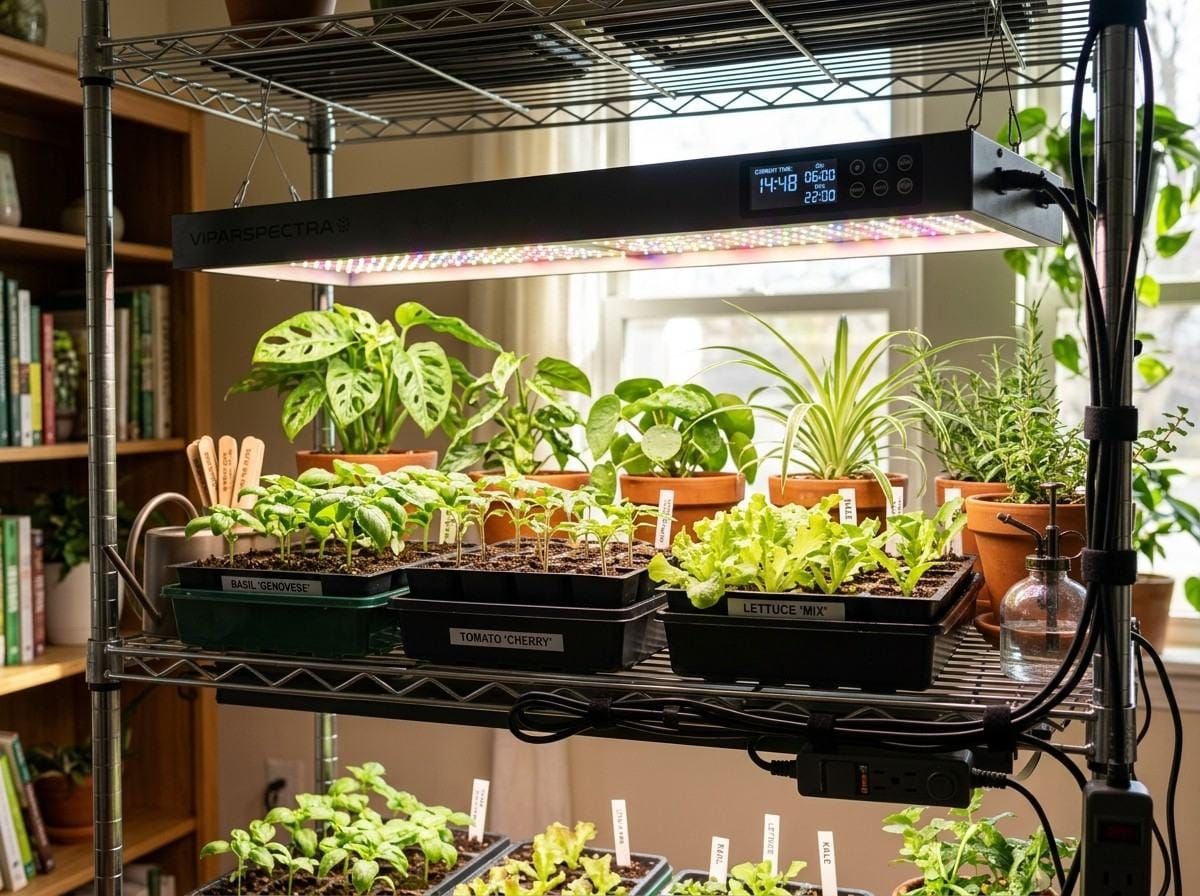
Grow lights help when natural light is not enough. Use full-spectrum LED or fluorescent lights. Place the light about 6 to 12 inches above the parsley. Keep the light on for 12 to 14 hours daily. Turn off the light at night to rest the plant. Move the light as the plant grows taller.
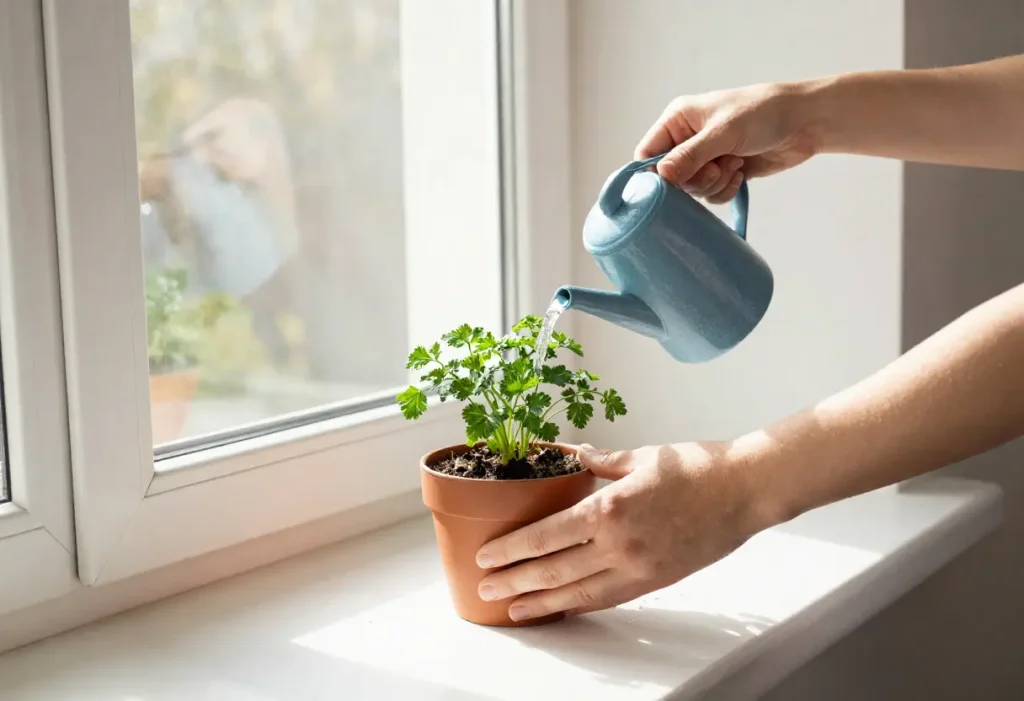
Watering and humidity play key roles in growing parsley indoors all year. Parsley needs just the right amount of water and moisture in the air. Too much water or dry air can harm the plant. Understanding how to care for these helps keep parsley healthy and green.
Parsley likes soil that stays moist but not wet. Check the soil by touching the top inch. If it feels dry, water the plant. Usually, watering every 2 to 3 days works well indoors. Use room temperature water to avoid shocking the roots. Drain any extra water from the pot to stop root rot.
Parsley thrives in moderate humidity. Indoor air can be dry, especially in winter. Place a small humidifier nearby or set the pot on a tray with water and pebbles. Mist the leaves gently once a day. Keep parsley away from heaters or cold drafts to protect its moisture balance.
Fertilizing indoor parsley is key to keeping it healthy and green all year. Without the right nutrients, parsley can grow slowly or look weak. Regular feeding helps the plant make strong leaves and stay fresh.
Indoor parsley does not get nutrients from soil as well as outdoor plants do. It needs extra care with the right fertilizer and feeding schedule. Proper fertilizing keeps parsley vibrant and full of flavor.
Pick a balanced fertilizer with equal parts nitrogen, phosphorus, and potassium. A 10-10-10 or 20-20-20 formula works well. These nutrients support leaf growth, root health, and overall plant strength.
Liquid fertilizers are easy to use and absorb quickly. Organic options like compost tea or fish emulsion also work. Avoid fertilizers with too much nitrogen, which can cause leafy growth but weak roots.
Feed parsley every two to four weeks during the growing season. Use a diluted fertilizer solution to avoid burning the roots. Stop fertilizing in winter if the plant slows down.
Check the soil moisture before feeding. Water the plant first, then apply fertilizer. This helps the nutrients reach the roots more effectively.
Pruning and harvesting parsley indoors keeps the plant healthy and productive. Trimming the leaves helps the plant grow fuller. Picking leaves regularly encourages new growth. Proper care during this stage ensures fresh parsley all year round.
Begin harvesting parsley once the plant has at least 6 to 8 inches of growth. Wait until the leaves look bright green and healthy. Avoid cutting more than one-third of the plant at once. This helps the plant stay strong and continue growing. Early morning is the best time to harvest for fresh flavor.
Cut parsley stems near the base, above a leaf node. This method encourages new shoots to grow from the cut area. Use clean scissors or garden shears to avoid damaging the plant. Remove any yellow or dead leaves to keep the plant healthy. Rotate harvesting around the plant to allow even growth. Regular pruning prevents the parsley from becoming leggy or weak.
Growing parsley indoors year round is rewarding but comes with challenges. Understanding common problems helps keep your plant healthy. Troubles can appear as pests or leaf discoloration. Early detection and quick action protect your parsley and improve growth.
Parsley indoors can attract small pests like aphids and spider mites. These bugs suck sap and weaken the plant. Check leaves and stems often for tiny insects or webbing. Wipe leaves gently with a damp cloth to remove pests. Use insecticidal soap if infestation grows. Keep air moving to reduce pest problems.
Yellow leaves on parsley show stress or poor care. Overwatering or underwatering causes leaf yellowing. Make sure soil drains well and water only when dry. Lack of light also turns leaves yellow. Place parsley near a bright window or use grow lights. Remove yellow leaves to help new growth thrive.
Growing parsley indoors all year needs steady care and attention. Parsley thrives with good light, water, and the right temperature. Adjusting your care with the seasons helps the plant stay healthy and green. Using smart indoor growing methods can boost your parsley’s growth. These tips help you enjoy fresh parsley no matter the month.
In winter, light is low. Move parsley closer to windows or use a grow light for 10 to 12 hours daily. Reduce watering but keep soil slightly moist. Avoid cold drafts and sudden temperature changes. In summer, parsley likes more water because it dries out faster. Keep soil moist but not soggy. Place parsley where it gets indirect sunlight to avoid leaf burn.
Choose a pot with good drainage to prevent root rot. Use a light, well-draining potting mix. Fertilize parsley every four weeks with a balanced liquid fertilizer. Trim the leaves regularly to encourage new growth. Rotate the pot every week to help the plant grow evenly. Keep the air humid by misting leaves or placing a water tray nearby.
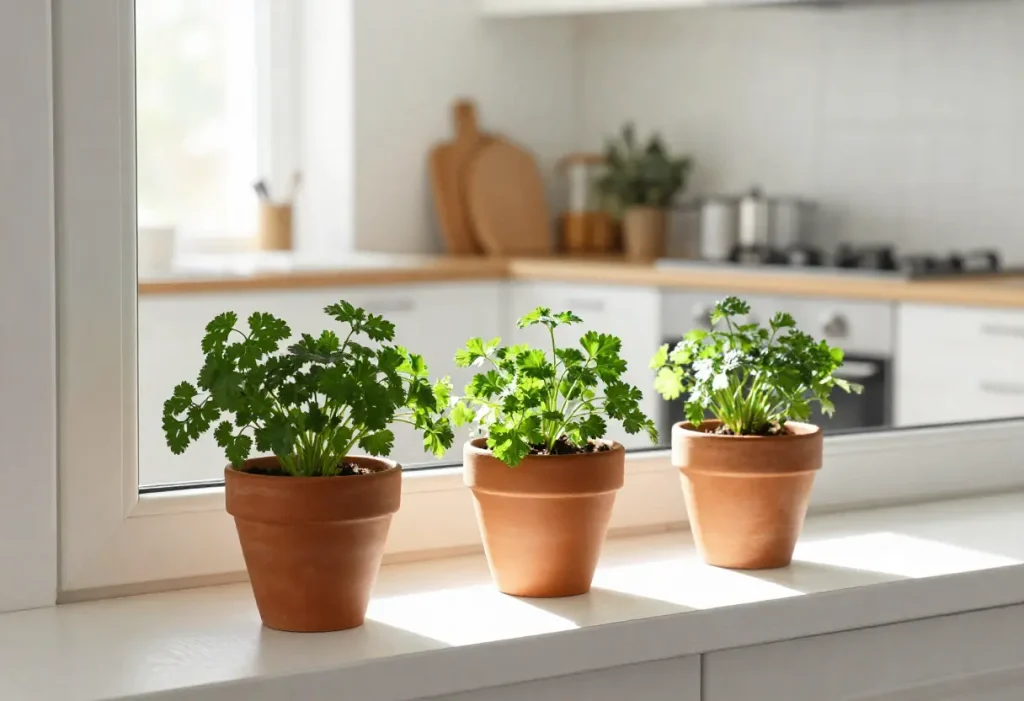
Parsley needs about 6 hours of light daily to grow well indoors. A sunny windowsill or a grow light works best. Less light makes parsley weak and slow to grow.
Use loose, well-draining soil rich in organic matter for parsley. A potting mix with compost or peat is ideal. This soil keeps roots healthy and moist.
Water parsley when the top inch of soil feels dry to touch. Keep soil moist but not soggy to avoid root rot. Usually, watering every 2-3 days works indoors.
Both seeds and cuttings can grow parsley indoors. Seeds take longer but are easy to plant. Cuttings root faster and give quicker harvests.
Rotate the pot for even sunlight and prune regularly to encourage growth. Avoid overwatering and watch for pests like aphids. Use fertilizer monthly for steady nutrition.
Growing parsley indoors all year is simple and rewarding. Choose a sunny spot and water regularly. Use good soil and keep the plant healthy. Prune often to encourage fresh growth. Enjoy fresh parsley in your meals anytime. Small steps lead to great results.
Start today and watch your parsley thrive indoors.