Gardening Made Simple.
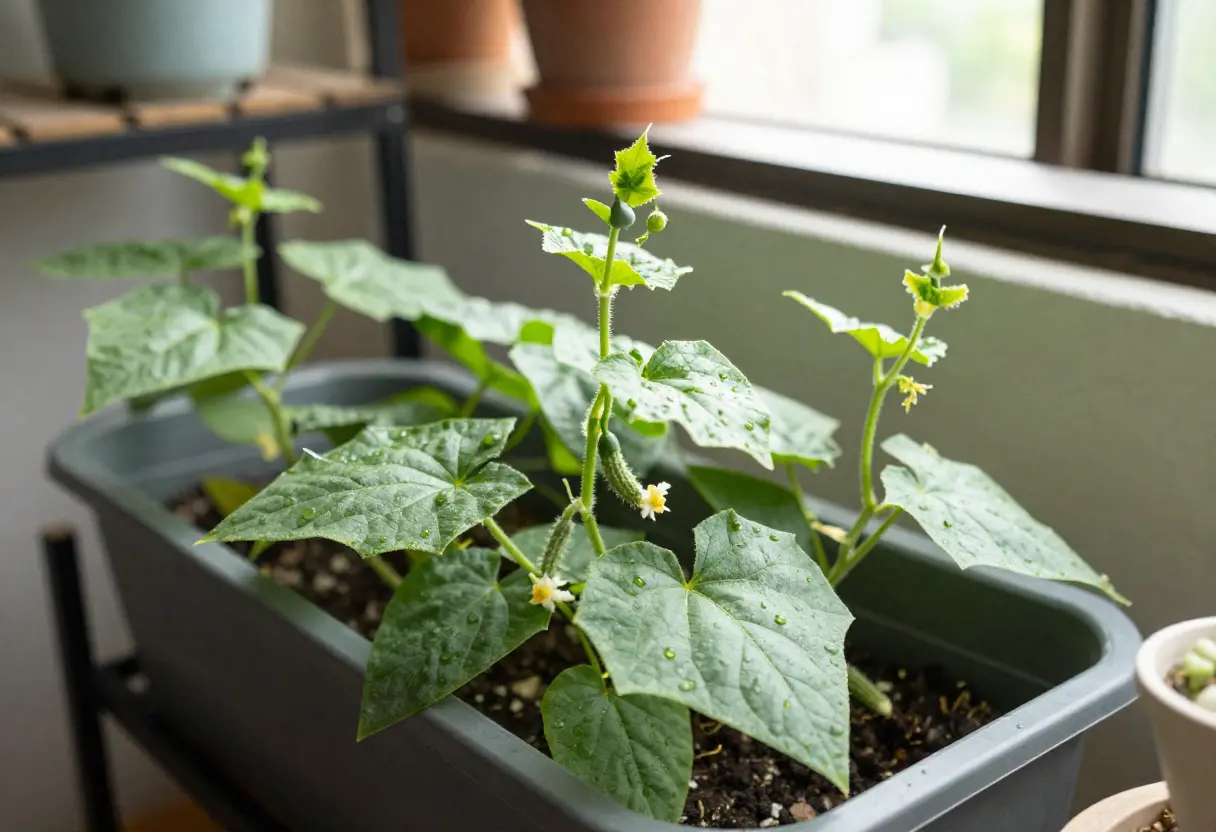
Are you dreaming of fresh, crisp cucumbers but don’t have a big garden? Growing Cucumbers in Containers could be the perfect solution for you. With the right container, soil, and care, you can enjoy healthy vines and a steady harvest even in small spaces.
Imagine picking juicy cucumbers right from your balcony, patio, or small backyard. It’s easier than you think, and you don’t need a lot of space or special tools. You’ll discover simple tips and tricks to grow healthy cucumbers in containers that will thrive and produce plenty of fruit.
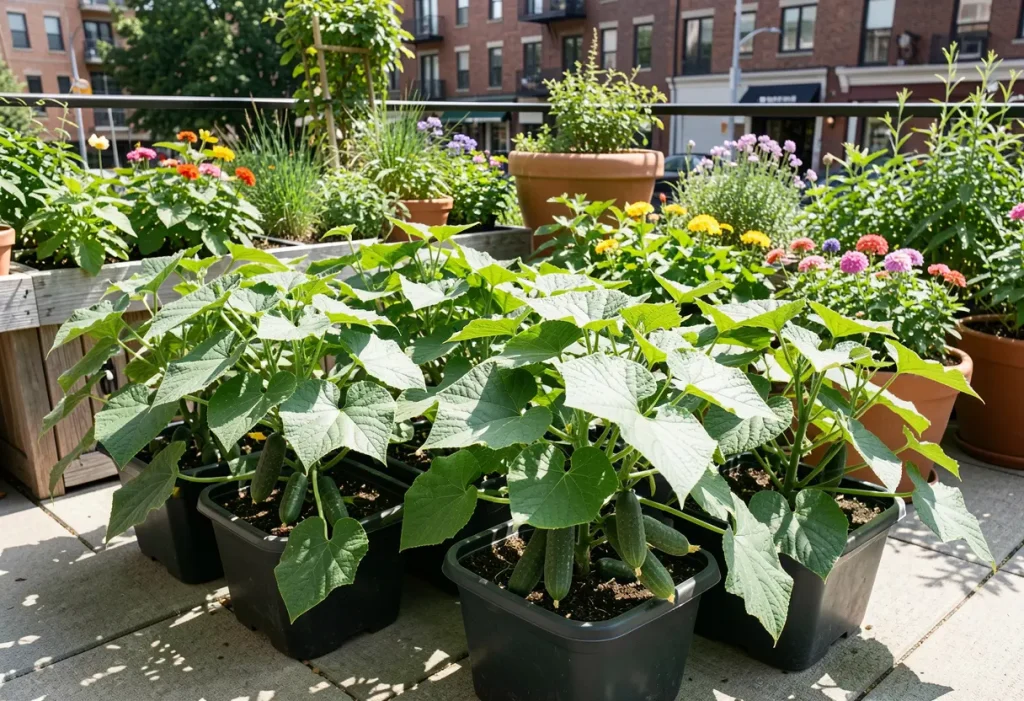
Keep reading to unlock the secrets that make container gardening a success and enjoy homegrown cucumbers all season long!
Choosing the right container for growing cucumbers is key to a healthy plant. The container holds the soil and roots. It must support growth and allow enough space. A good container makes watering and care easier. Below are important points about size, material, and drainage.
Cucumbers need room for roots to spread. Pick a container at least 12 inches deep. Width should be 12 to 18 inches wide. Bigger containers hold more soil and water. This helps plants grow strong and produce more cucumbers. Small containers dry out fast and limit growth.
Containers come in plastic, clay, wood, and fabric. Plastic is light and holds moisture well. Clay containers look nice and breathe well but dry out fast. Wood is natural and sturdy but may rot over time. Fabric pots drain well and keep roots cool. Choose material based on weight, durability, and watering needs.
Drainage holes prevent water from pooling at the bottom. Standing water can cause root rot. Make sure your container has many holes. If not, drill extra holes before planting. Good drainage helps roots get oxygen. It keeps plants healthy and growing fast.
Selecting the right cucumber variety is key for success in container gardening. Different types grow differently and have unique needs. Choosing the best variety helps save space and gives you a better harvest. Understanding the difference between bush and vining types guides your choice. Also, picking the best varieties suited for containers makes growing easier. Deciding between seeds and transplants affects how fast your cucumbers grow.
Bush cucumbers grow in a compact shape. They take less space, perfect for small containers. Vining types spread out and need support like a trellis. They produce more fruit but need bigger pots. Bush types are easier to manage on balconies or patios. Vining types offer more cucumbers but require training.
Choose cucumber varieties that stay small and grow well in pots. Some good choices include 'Bush Champion', 'Patio Snacker', and 'Spacemaster'. These varieties do not need much space or support. They grow quickly and give tasty cucumbers. Look for varieties labeled as compact or bush type. They suit container gardens perfectly.
Starting from seeds is cost-effective and offers many variety choices. Seeds take longer to grow but give strong plants. Transplants give a head start and save time. They are easy for beginners and reduce early care. Container gardeners often prefer transplants for quick results. Both options work well if you provide good care.
Growing cucumbers in containers needs special care for soil and fertilizer. Good soil and proper feeding help plants grow strong. This section guides you on the best soil mix and fertilizers. Follow these tips to get healthy cucumbers in your pots.
Use soil that drains well but holds moisture. A mix of potting soil, compost, and perlite works great. The compost adds nutrients. Perlite keeps the soil airy. Avoid garden soil alone. It can be too heavy and block drainage.
Cucumbers need nutrients like nitrogen, phosphorus, and potassium. Nitrogen helps leaves grow green. Phosphorus supports roots and flowers. Potassium strengthens the whole plant. Fertilize regularly to replace nutrients lost in pots. Watch for yellow leaves or weak growth.
Use organic fertilizers for safe feeding. Compost tea and fish emulsion are good choices. They release nutrients slowly and improve soil health. Worm castings also add valuable nutrients. Apply organic fertilizers every two weeks during the growing season.
Growing cucumbers in containers needs careful planting and spacing. These steps help plants grow strong and produce more fruits. Proper planting depth and spacing keep the roots healthy. It also stops the plants from crowding each other.
Starting cucumber seeds indoors gives them a good start. It helps seedlings grow before moving outside. This method saves time and improves the chance of success.
Plant cucumber seeds about 1 inch deep in the soil. Too deep planting slows seed sprouting. Too shallow planting can dry out the seeds. Cover seeds lightly with soil and press gently. This keeps moisture close and helps seeds grow well.
Give each cucumber plant enough space to spread. Plant one to two seeds per 12-inch pot. Thin to one plant after seedlings appear. Keep at least 12 inches between plants. Crowded plants get less light and air. This can cause disease and weak growth.
Begin cucumber seeds indoors 3 to 4 weeks before outdoor planting. Use small pots with good drainage. Keep soil moist but not soggy. Place pots in warm, sunny spots or under grow lights. Transplant seedlings outside after danger of frost passes.
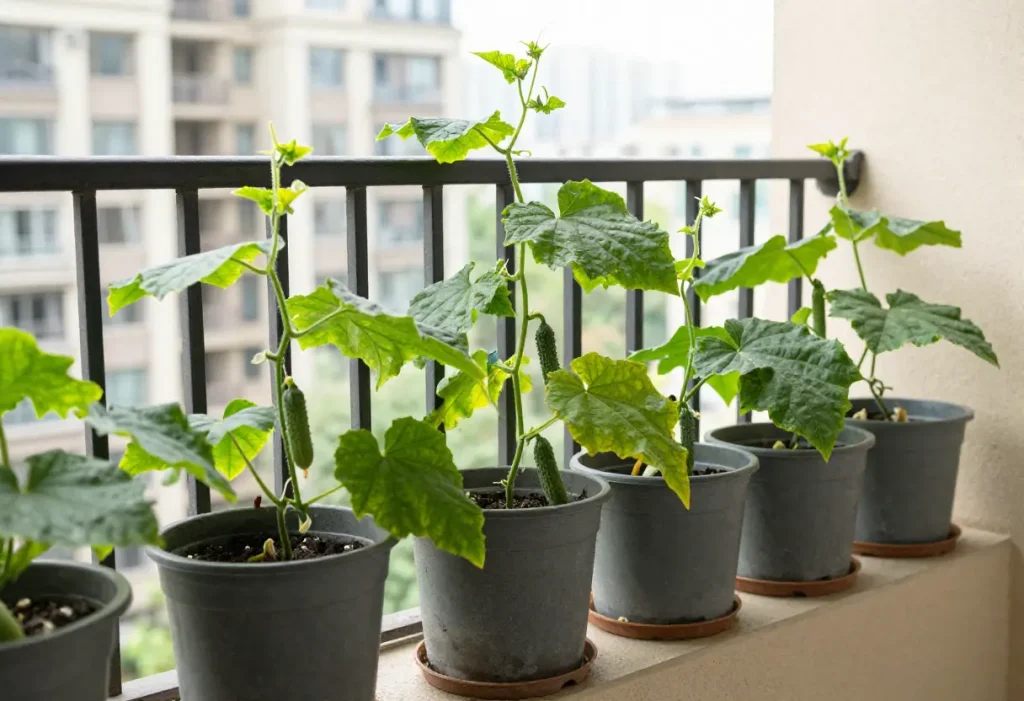
Watering cucumbers in containers requires careful attention. Proper watering helps plants grow healthy and produce tasty cucumbers. The right watering methods keep the soil moist but not soggy. This section explains how often to water, how much water to give, and how to keep moisture in the soil.
Water cucumbers regularly to keep the soil evenly moist. Containers dry out faster than garden soil. Check the soil daily. Water when the top inch feels dry. Give enough water to soak the soil deeply. Avoid light watering that only wets the surface. Deep watering encourages strong root growth.
Too much water can harm cucumber roots. Overwatering causes root rot and weak plants. Ensure containers have good drainage holes. Let excess water drain out freely. Do not let plants sit in water. If soil stays wet for days, reduce watering. Watch leaves for signs of overwatering, like yellowing or wilting.
Mulch helps keep soil moist longer. Use straw, wood chips, or dried leaves as mulch. Spread mulch around cucumber plants, leaving space near stems. Mulch reduces evaporation and keeps soil cool. It also lowers the need for frequent watering. Mulching protects roots and supports healthy growth.
Supporting vine growth is important for healthy cucumber plants in containers. Proper support helps keep vines off the ground. It improves air flow and saves space. Strong support also makes harvesting easier. Vines grow better and produce more fruit with good support.
Trellises are simple frames made of wood or metal. They let cucumber vines climb vertically. This saves space in small containers. Wire cages also support vines well. They surround plants and keep vines upright. Both options prevent fruit from touching soil. This reduces rot and pests.
Guide cucumber vines gently onto supports. Use soft ties or garden twine. Tie vines loosely to avoid damage. Train new growth upward or sideways along the trellis. Regularly check vines and adjust ties. This helps plants stay strong and organized.
Container space is limited. Avoid planting too many cucumbers in one pot. Crowded vines block sunlight and airflow. Thin out weak or crowded shoots. Remove old leaves that block light. This keeps plants healthy and fruit growing well.
Pests and diseases can harm cucumber plants, especially in containers. They can slow growth and reduce harvest. Watching plants closely helps catch problems early. Treating issues quickly protects your cucumbers and keeps them healthy.
Aphids are tiny insects that suck plant juices. They cause leaves to curl and yellow. Spider mites create fine webs and leave spots on leaves. Whiteflies fly around when you touch the plant. Cucumber beetles chew holes in leaves and fruits. These pests spread diseases and weaken plants fast.
Keep containers clean and remove dead leaves. Use fresh soil to avoid pests hiding in dirt. Place containers where plants get good air flow. Water plants early in the day to reduce moisture. Inspect plants regularly for any signs of pests or damage.
Spray plants with soapy water to remove aphids and mites. Neem oil is safe and helps control many insects. Introduce ladybugs; they eat harmful pests. Use garlic or chili sprays to keep bugs away. Handpick larger pests like beetles and drop them into water.
Harvesting cucumbers is an exciting step in growing them in containers. Picking cucumbers at the right time ensures they taste fresh and crunchy. Knowing when and how to harvest helps you enjoy a longer growing season and better yields.
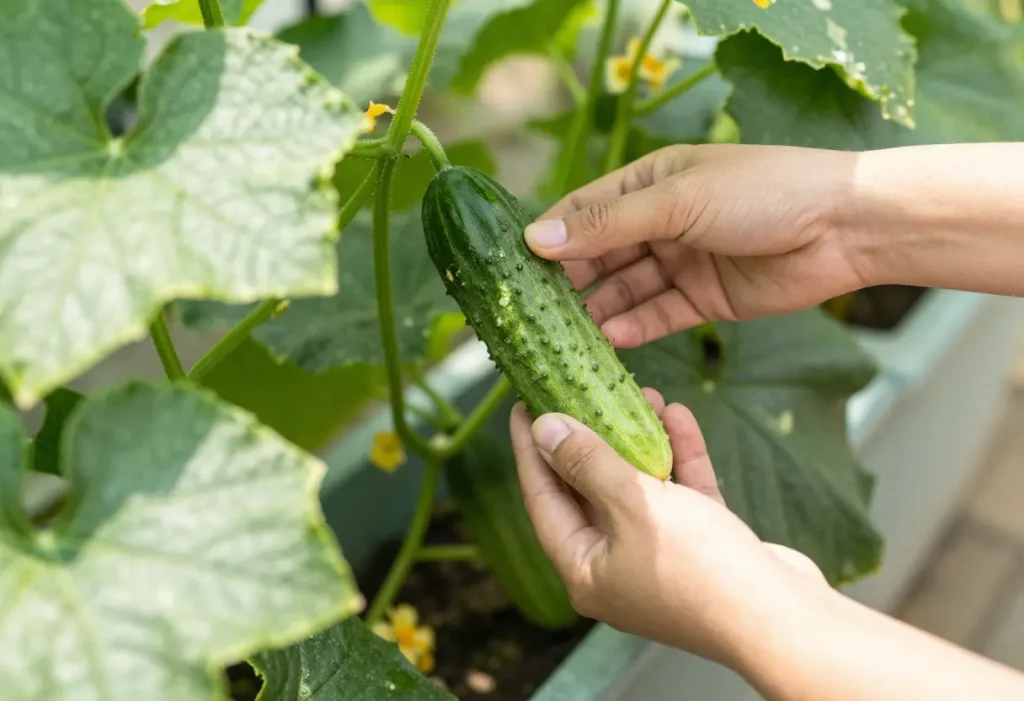
Look for cucumbers that are firm and green. Avoid yellow or soft ones. Most cucumbers are ready to pick when they reach 6 to 8 inches long. Check the skin for a smooth, glossy look. Small spines on the skin should be easy to rub off. Harvest early to prevent bitterness and tough seeds.
Use a sharp knife or scissors to cut cucumbers. Cut the stem about half an inch above the fruit. Avoid pulling or twisting the cucumber from the vine. Handle the fruit gently to avoid bruising. Harvest in the morning when cucumbers are cool and crisp. Regular picking encourages the plant to produce more cucumbers.
Pick cucumbers often to keep the plant productive. Remove any old or yellow leaves to improve air flow. Provide consistent water and nutrients to support growth. Use shade cloth during very hot days to protect the plant. Rotate container locations for better sunlight exposure. These steps help you enjoy fresh cucumbers longer.
Growing cucumbers in containers can be very rewarding. Yet, sometimes plants face problems that slow growth or damage leaves and flowers. Knowing how to spot and fix common issues helps keep your cucumbers healthy and productive.
This section covers typical problems you might find. It explains causes and easy solutions for yellow leaves, flower drop, and slow growth. Use these tips to help your container cucumbers thrive.
Yellow leaves often mean your cucumber plant has stress. Too much or too little water can cause yellowing. Overwatering drowns roots, while underwatering dries them out. Both stop nutrients from reaching leaves.
Lack of sunlight also turns leaves yellow. Cucumbers need at least six hours of sun daily. Poor soil quality or low nutrients cause yellow leaves too. Fertilize with a balanced, water-soluble fertilizer every two weeks.
Dropping flowers is a common cucumber problem. High temperatures make flowers fall before fruit sets. Cucumbers prefer temperatures between 65 and 75 degrees Fahrenheit. Extreme heat stresses the plant and causes flower drop.
Another reason is lack of pollination. Containers may not get enough bees or wind to pollinate flowers. You can hand-pollinate by gently moving pollen from male to female flowers using a small brush or finger.
Slow growth happens when cucumbers lack nutrients or space. Containers that are too small limit root growth. Choose pots at least 12 inches deep and wide.
Soil that drains poorly or is compacted slows growth too. Use loose, well-draining potting mix. Feeding plants regularly with fertilizer helps speed up growth.
A container should be at least 12 inches deep and wide. This allows enough space for roots to grow well. Bigger containers help cucumbers stay healthy and produce more fruit.
Water cucumber plants when the top inch of soil feels dry. Usually, this means watering every 1-2 days. Keep soil moist but not soggy for best growth.
Cucumbers can grow in small containers but may yield less fruit. Choose containers that hold at least 5 gallons of soil. Small pots may dry out quickly, needing more care.
Use well-draining, rich potting soil mixed with compost. Good soil helps cucumber roots get air and nutrients. Avoid garden soil that can hold too much water.
Cucumbers need 6-8 hours of direct sunlight each day. Place containers in a sunny spot for best results. Less light can cause weak plants and fewer cucumbers.
Growing cucumbers in containers is simple and rewarding. Choose the right pot and soil for best results. Place containers where they get plenty of sunlight daily. Water plants regularly but avoid overwatering. Support vines with stakes or trellises to save space.
Watch for pests and remove them quickly. With care, you will enjoy fresh cucumbers from your own container garden. Small spaces can still yield big harvests. Start today and enjoy homegrown cucumbers soon.