Gardening Made Simple.
Are you ready to enjoy fresh, crunchy cucumbers straight from your garden? Learning how do you grow cucumbers from seeds is easier than you might think, and it’s a rewarding way to ensure a healthy, productive harvest right from your own backyard.
Imagine picking your own cucumbers, bursting with flavor and free from chemicals. In this guide, you’ll discover simple steps to start your cucumber plants, avoid common mistakes, and watch your garden thrive. Keep reading, and you’ll soon be on your way to a bountiful cucumber harvest!
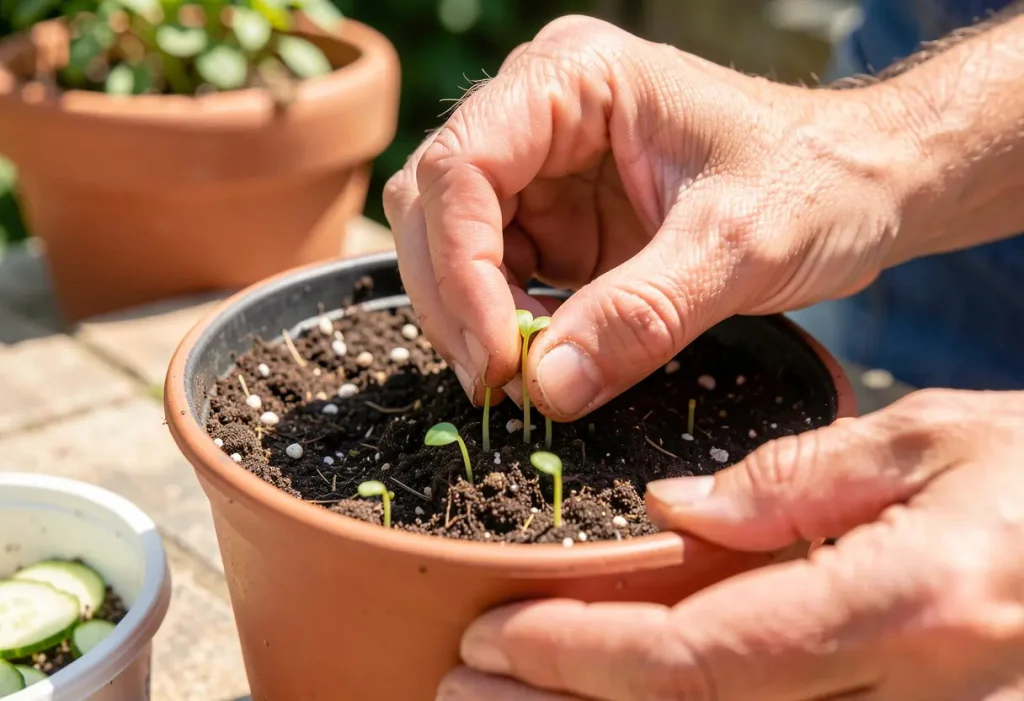
Choosing the right seeds is the first step to growing healthy cucumbers. Seeds affect how well your plants grow and how tasty the cucumbers will be. Picking the right type can save time and effort later. Focus on seed types and their strengths to have a good harvest.
Heirloom seeds come from plants passed down for many years. They keep the same traits each season. Many gardeners like heirlooms for their unique flavors and shapes. Hybrids are made by crossing two different plants. They often grow faster and resist pests better. Choose heirlooms for tradition and taste. Pick hybrids for strong growth and higher yields.
Disease can harm cucumber plants and reduce harvests. Seeds labeled disease-resistant help plants stay healthy. These seeds fight common problems like powdery mildew and wilt. Planting resistant seeds means less need for sprays or treatments. It also helps plants grow stronger in tough conditions. Always check seed packets for disease resistance info.
Preparing the soil is an important first step to grow healthy cucumbers from seeds. Good soil helps seeds sprout quickly and plants grow strong. The right soil conditions and nutrients give cucumber plants the energy they need to produce fresh, tasty fruits. Before planting, spend time making the soil ready.
Cucumbers grow best in loose, well-drained soil. Soil that holds water too long can cause seeds to rot. The soil should be soft enough for roots to spread easily. A slightly sandy or loamy soil works well for cucumbers. The ideal soil pH is between 6.0 and 7.0. This range helps plants absorb nutrients properly. Avoid soil that is too acidic or too alkaline.
Adding organic matter improves soil quality. Compost or well-rotted manure adds nutrients and helps soil stay loose. Mix amendments deeply into the top 6 to 8 inches of soil. This gives cucumber roots space to grow. A balanced fertilizer with equal nitrogen, phosphorus, and potassium supports growth. Apply fertilizer before planting and again when seedlings appear. Avoid over-fertilizing, which can lead to too many leaves and fewer fruits.
Starting cucumber seeds indoors gives plants a strong beginning. It helps you control temperature and moisture. This method can lead to earlier harvests. You also avoid pests and harsh weather outside.
Prepare well to give your seedlings the best chance. Use the right containers and soil. Keep the environment warm and moist. Watch the seeds closely for sprouting signs.
Start cucumber seeds indoors about 3 to 4 weeks before the last frost date. This timing varies by region. Check local frost dates online or at garden centers. Starting too early can cause weak plants. Too late means less growing time outdoors.
Choose small pots or seed trays with drainage holes. Good drainage stops water from pooling and causing rot. Use a light, well-draining seed-starting mix. Avoid regular garden soil; it can hold too much water and may contain diseases. Fill containers with moist soil before planting seeds.
Cucumbers need warmth to germinate well. Keep soil temperature between 70°F and 85°F. Use a heat mat if your room is cool. Keep soil evenly moist but not soggy. Mist soil surface or water gently. Dry soil stops seeds from growing. Too much water can cause seeds to rot.
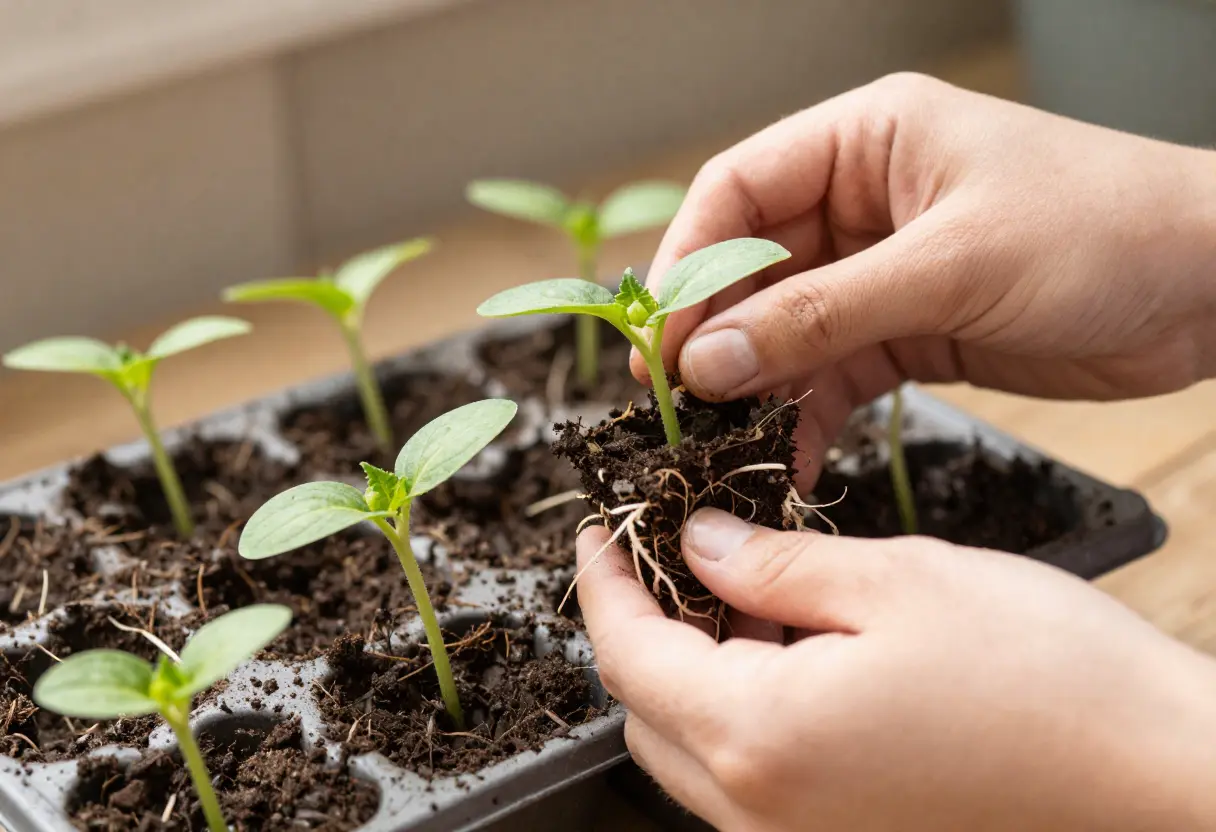
Transplanting cucumber seedlings is a key step for a strong garden start. Moving seedlings from indoors to your garden helps them grow better. Proper care during this stage boosts their chances of thriving outdoors.
Transplant cucumbers when seedlings have 2-3 true leaves. The outdoor temperature should be above 60°F (15°C) during the day. Avoid transplanting before the last frost date. Warm soil helps roots settle faster. Early or late transplanting can slow growth or harm plants.
Harden off seedlings by exposing them to outdoor conditions gradually. Start with 1-2 hours outside in a shaded spot. Increase outdoor time by 1-2 hours daily over a week. Avoid direct sun and strong winds at first. This process toughens seedlings and reduces shock after transplanting.
Choose a sunny spot with well-drained soil for planting. Dig holes slightly larger than the root ball. Handle seedlings gently to avoid root damage. Plant seedlings at the same depth as in their pots. Water seedlings well right after planting. Space plants about 12-18 inches apart for proper growth.
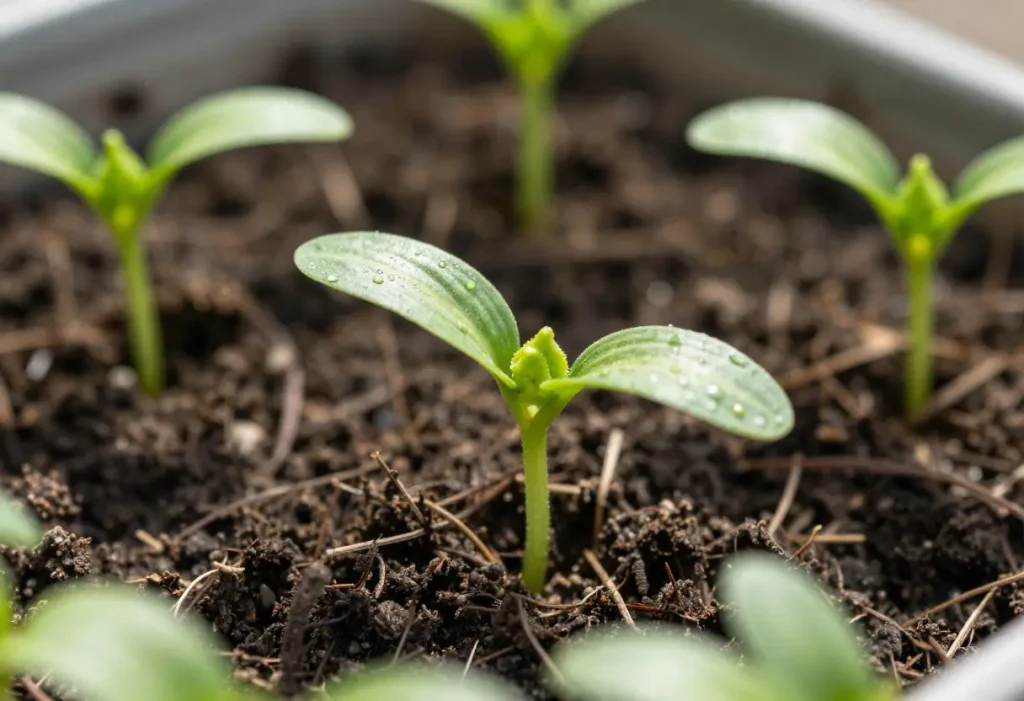
Direct sowing outdoors is a simple way to grow cucumbers. You plant the seeds straight into your garden soil. This method saves time and avoids transplant shock. Choose a sunny spot with well-drained soil. The soil should be warm enough for seeds to sprout quickly. This approach works best in warm climates or during the warmer months in cooler areas.
Sow cucumber seeds after the last frost date in your area. Soil temperature must be at least 70°F (21°C). Cold soil slows germination and growth. Late spring or early summer is usually ideal. You can check local frost dates online or ask a garden center. Planting too early risks seed rot and weak seedlings.
Plant seeds 1 inch (2.5 cm) deep in the soil. Space seeds 12 to 18 inches (30 to 45 cm) apart. Leave 36 to 48 inches (90 to 120 cm) between rows. Proper spacing helps air circulate and reduces disease. It also gives plants room to grow and spread their vines. Crowded plants produce fewer cucumbers and can attract pests.
Keep the soil moist but not waterlogged during germination. Water gently to avoid washing away seeds. After seedlings emerge, water deeply once or twice a week. Avoid wetting leaves to prevent fungal diseases. Morning watering is best to let plants dry during the day. Consistent moisture helps cucumbers grow juicy and tender.
Caring for growing cucumber plants takes attention and simple steps. Healthy plants produce more fruits and grow strong. This section covers watering, supporting vines, and managing pests and diseases. Follow these tips to help your cucumber plants thrive.
Cucumbers need regular watering to stay healthy. Water deeply once or twice a week. Keep the soil moist but not soggy. Mulch around the plants to keep moisture in the soil. Mulch also stops weeds and keeps roots cool. Use straw, grass clippings, or shredded leaves as mulch.
Cucumber vines can spread quickly. Support them with trellises or cages. This saves space and keeps fruits clean. Tying vines gently to supports prevents damage. Supporting vines also helps air flow. Good air flow lowers the chance of disease.
Watch plants for pests like aphids and cucumber beetles. Remove pests by hand or use insecticidal soap. Check leaves for spots or powdery mildew. Remove infected leaves to stop disease spread. Crop rotation helps reduce soil diseases. Keep the area clean of old plant debris.
Harvesting cucumbers at the right time is key to enjoying fresh, tasty vegetables. Picking cucumbers too early or too late affects flavor and texture. Knowing when and how to harvest helps you get the best from your cucumber plants.
Cucumbers are ready to pick when they reach full size. Usually, they are 6 to 8 inches long. The skin should be firm and dark green. Avoid cucumbers that turn yellow; this means they are overripe. Also, check for a smooth surface without soft spots. The fruit should snap easily from the vine with a gentle pull.
Use a sharp knife or garden shears to cut cucumbers from the vine. Cutting prevents damage to the plant. Hold the cucumber carefully to avoid bruising. Do not pull or twist the fruit off the vine. Harvest regularly, every few days, to encourage more growth. Place cucumbers in a cool, shaded spot after picking for best freshness.
Growing cucumbers from seeds can sometimes bring challenges. Knowing how to fix common problems helps keep plants healthy. Troubleshooting keeps your garden productive and your effort rewarding.
Seeds may not sprout well due to old age or poor storage. Use fresh seeds stored in a cool, dry place. Plant seeds at the right depth, about half an inch deep. Keep soil moist but not soaked. Warm soil temperatures around 70°F encourage sprouting. Avoid heavy soil that blocks air and water.
Cucumber plants attract pests like aphids, cucumber beetles, and spider mites. Check leaves regularly for small insects or holes. Spray plants with water to remove pests. Use natural insecticides like neem oil for control. Encourage beneficial insects like ladybugs. Remove heavily infested leaves to protect the plant.
Yellow leaves or slow growth often signal nutrient problems. Use balanced fertilizer with nitrogen, phosphorus, and potassium. Add compost to enrich the soil naturally. Test soil pH; cucumbers prefer slightly acidic to neutral soil (6.0-7.0). Water plants evenly to help nutrient uptake. Avoid over-fertilizing, which can harm plants.
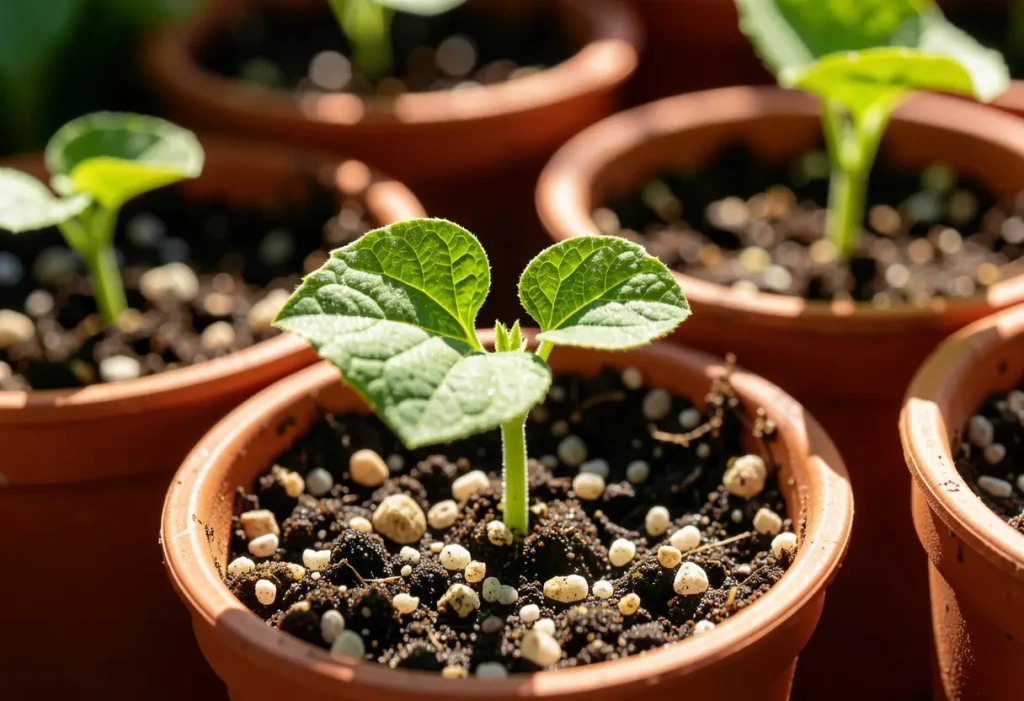
Cucumber seeds usually sprout in 7 to 10 days after planting. Warm soil speeds up germination and helps seedlings grow faster.
Cucumbers grow best in loose, well-drained soil rich in organic matter. Slightly acidic to neutral soil with pH 6. 0 to 7. 0 works well.
Plant cucumber seeds about 1 inch deep in the soil. This depth helps seeds stay moist and protects them during germination.
Keep the soil consistently moist but not soggy for cucumber seedlings. Water daily during hot, dry weather to support healthy growth.
Start cucumber seeds indoors 3 to 4 weeks before the last frost date. This gives seedlings a strong start before moving outside.
Growing cucumbers from seeds takes patience and care. Start with good soil and plenty of sunlight. Water the plants regularly but avoid soaking the soil. Watch for pests and remove them quickly. Thin the seedlings to give each plant space to grow.
Soon, you will see flowers and then small cucumbers forming. Harvest them when they are firm and green. Growing your own cucumbers brings fresh taste to your table. A simple task that feels rewarding. Give it a try this season.