Gardening Made Simple.
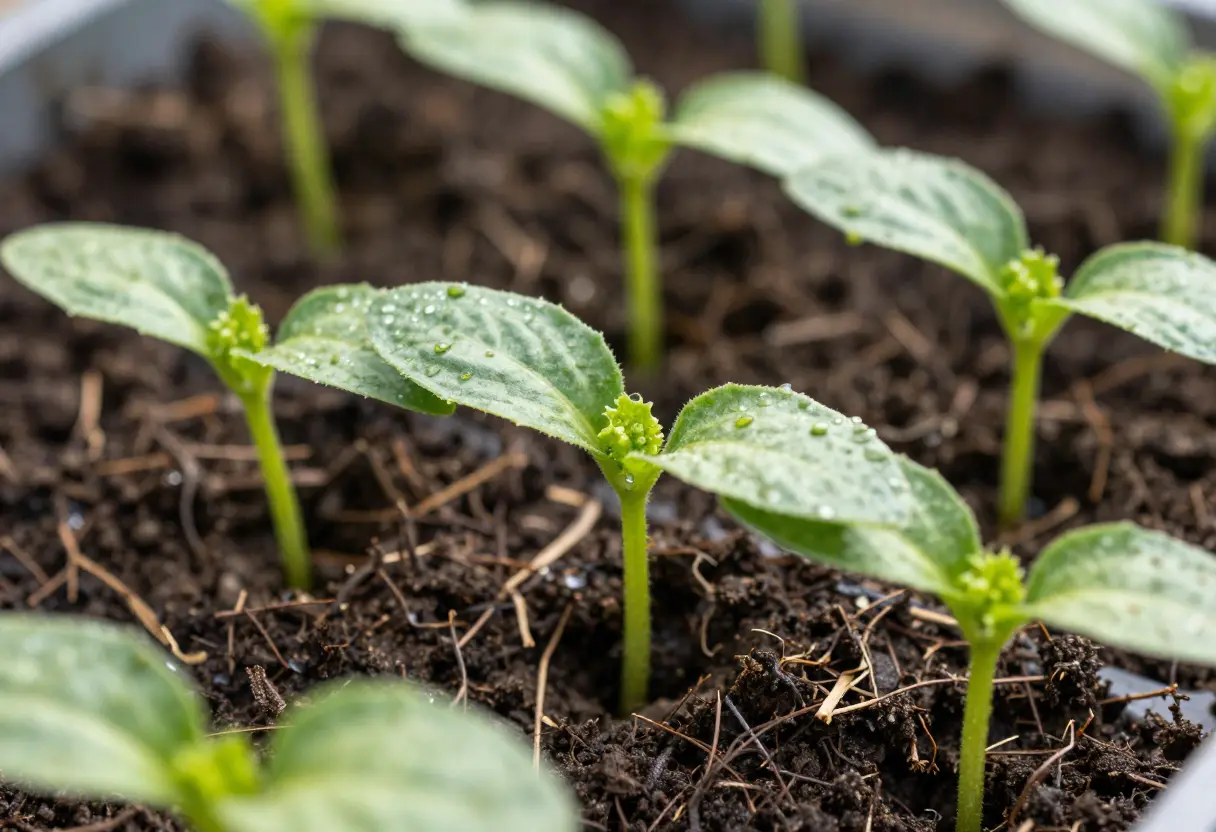
Are you eager to grow fresh, crunchy cucumbers right in your garden? Knowing exactly when to start cucumber seeds indoors can make all the difference between a bountiful harvest and a disappointing one.
If you start too early or too late, your plants might struggle to thrive. But don’t worry—this guide will help you time it perfectly. Keep reading to discover the best moments to plant your cucumber seeds indoors, so you can enjoy healthy vines and tasty cucumbers all season long.
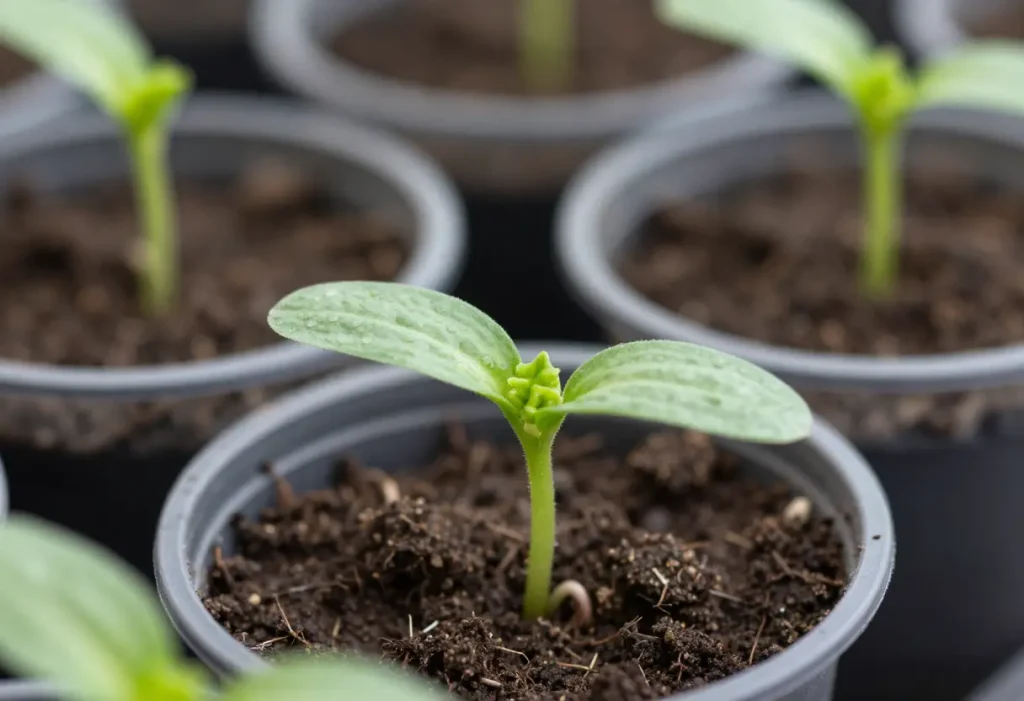
Starting cucumber seeds indoors at the right time helps plants grow strong. Timing affects seed sprouting and transplant success. Knowing when to plant indoors saves time and effort.
Start seeds too early, and seedlings grow weak. Start too late, and plants may not produce enough fruit. Understanding ideal timing is key for a healthy cucumber crop.
Cucumbers need warm weather to grow well. Start seeds indoors about 3 to 4 weeks before the last spring frost. This timing gives seedlings a good head start. Avoid planting seeds indoors during cold months. Seedlings may suffer from low light and slow growth.
Local weather affects when to start cucumber seeds indoors. Warmer climates can start seeds earlier. Cooler climates need to wait longer. Check your area's average temperature before planting. Adjust seed starting time based on local conditions.
Frost dates are important for cucumber planting. Start seeds indoors 3 to 4 weeks before the last frost date. Transplant seedlings outside after frost risk passes. This protects young plants from cold damage. Use local frost date calendars for accurate timing.
Choosing the right cucumber seeds is the first step for a strong start indoors. It affects growth, taste, and harvest time. Picking the best seeds helps avoid problems later.
Select cucumber types that suit your space and climate. Some grow better indoors. Pick bush varieties for small spaces. Vining types need more room and support. Consider disease resistance for healthier plants.
High-quality seeds grow faster and stronger. Check the seed packet for the harvest year. Fresh seeds have better germination rates. Avoid old or damaged seeds to reduce failure. Store seeds in a cool, dry place before planting.
Preparing cucumber seeds for indoor planting takes some planning. The right start helps plants grow strong and healthy. Seedlings need the right container, soil, temperature, and light to thrive. Small details make a big difference in early growth. Understanding these basics helps you get good results.
Choose containers with good drainage holes. This prevents water from pooling and rotting seeds. Small pots or seed trays work well for cucumber seeds. Clean containers stop diseases from spreading. Use containers that fit your space and seed quantity.
Use a light, well-draining soil mix. Seed-starting mix or a blend of peat moss and perlite works best. Avoid heavy garden soil that traps water. Keep the soil moist but not soggy. Good drainage helps roots grow strong and healthy.
Cucumbers need warm soil to sprout, about 70-95°F (21-35°C). Keep seeds in a warm spot or use a heat mat. After sprouting, place seedlings where they get bright light. A sunny window or grow light helps plants grow tall. Proper light avoids weak, leggy seedlings.
Starting cucumber indoors requires care and attention to detail. A clear step-by-step guide helps ensure strong seedlings. Follow these steps to give your cucumbers a healthy start before transplanting outdoors.
Soak cucumber seeds in warm water for 4 to 6 hours. This softens the seed coat and speeds up germination. After soaking, place seeds on a damp paper towel. Keep the towel moist and warm. Check daily for tiny sprouts. Once sprouts appear, seeds are ready for planting.
Plant seeds about 1 inch deep in seed-starting mix. Use small pots or seed trays with drainage holes. Space seeds 2 to 3 inches apart to avoid crowding. Cover seeds lightly with soil. Press gently to ensure good soil contact. Avoid planting too deep, as it slows growth.
Water soil gently after planting seeds. Use a spray bottle or small watering can. Keep soil evenly moist but not soggy. Check moisture daily, especially in warm rooms. Avoid overwatering to prevent seed rot. Good drainage helps roots grow strong and healthy.
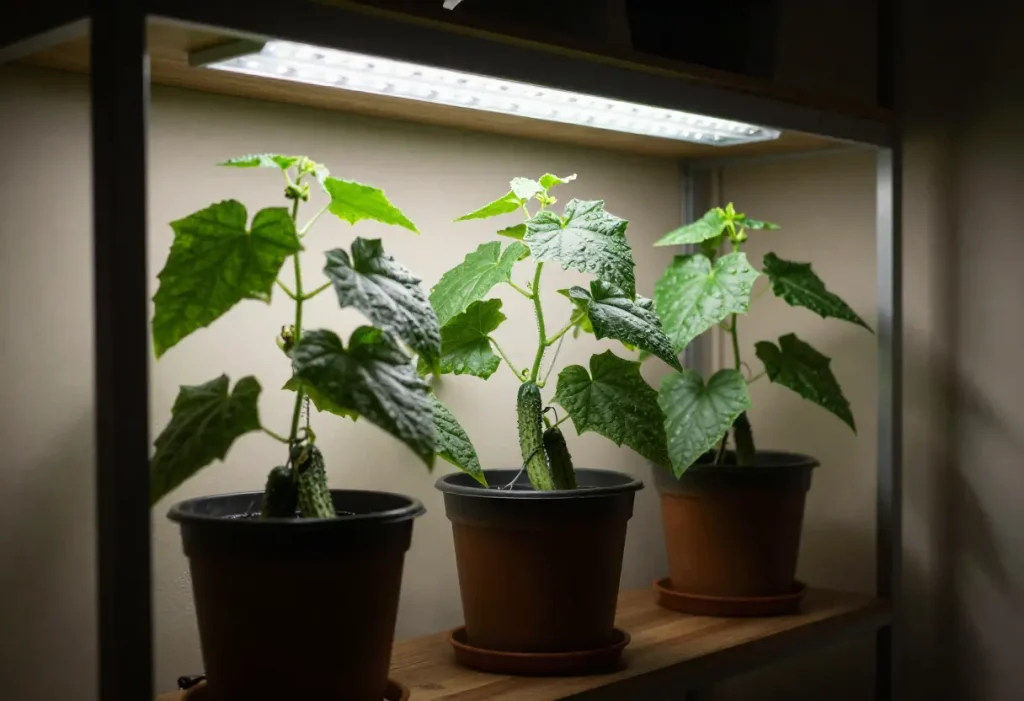
After planting cucumber seeds indoors, care is very important for healthy growth. Seeds need the right conditions to sprout strong and grow into good plants. Proper care helps seedlings avoid problems like drying out or weak stems.
Keep the soil moist but not soaking wet. Dry soil stops seeds from growing well. Water gently to avoid washing away seeds. Use a spray bottle to mist the soil surface. Check soil daily and water when the top feels dry.
Cucumber seedlings need plenty of light to grow strong. Place them near a sunny window or use grow lights. Give about 12 to 16 hours of light each day. Without enough light, seedlings become tall and weak.
Maintain warm temperatures for best seedling growth. Ideal warmth is between 70 and 80 degrees Fahrenheit. Avoid cold drafts or hot spots near heaters. Keeping steady warmth helps seeds sprout faster and grow healthy.
Transplanting cucumber seedlings outdoors is a key step for a healthy garden. Knowing the right time helps plants grow strong. Too early, and cold weather can harm them. Too late, and they may not produce enough fruit. Watch your seedlings closely to choose the best moment to move them outside.
Seedlings should have at least two to three true leaves. The stem must look thick and sturdy. Plants reach about 4 to 6 inches tall. They should stand upright without support. Roots should fill the pot but not be crowded. Avoid transplanting weak or leggy seedlings.
Hardening off prepares seedlings for outdoor life. Start by placing them outside for a few hours daily. Gradually increase the time over one week. Keep them in shade at first, then move to sun. Protect plants from strong wind and cold at night. This process reduces transplant shock and stress.
Choose a warm day for transplanting. Soil temperature should be at least 60°F (16°C). The area needs full sun for at least six hours. Soil must be loose, well-drained, and rich in nutrients. Avoid planting before the last frost date. Check weather forecasts to prevent cold snaps.
Starting cucumber seeds indoors can bring many challenges. These problems can stop your seeds from growing well. Knowing common issues helps you fix them fast. This saves time and effort. It also leads to healthy plants ready for transplant.
Damping off is a common seedling disease. It causes seedlings to wilt and die suddenly. It happens in warm, wet soil. Use clean pots and fresh soil. Avoid overwatering your seeds. Give good air flow around seedlings. A light sprinkle of cinnamon on soil can help stop fungus.
Young cucumber plants attract pests like aphids and spider mites. Check seedlings daily for bugs. Remove pests by hand or spray with mild soap water. Keep your growing area clean. Remove dead leaves and debris. Healthy plants resist diseases better than weak ones.
Poor germination can mean seeds are old or too cold. Use fresh, quality seeds. Keep soil moist but not soaked. Maintain temperature around 70°F (21°C) for best results. Avoid planting seeds too deep. Thin seedlings if they grow too close together.
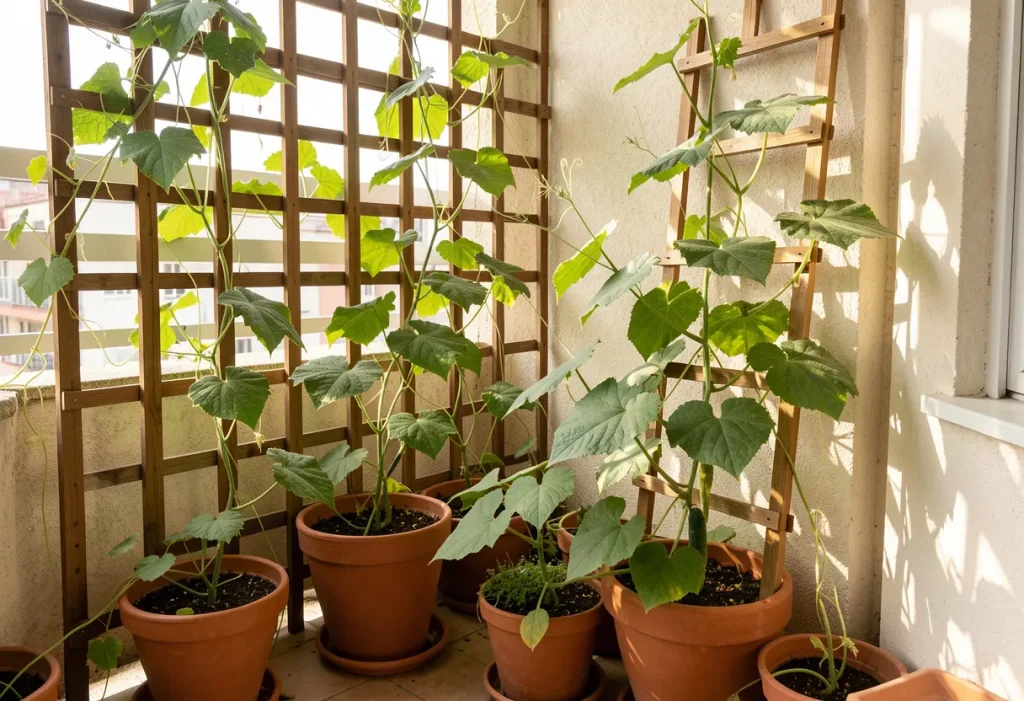
Start cucumber seeds indoors about 3 to 4 weeks before the last frost date. This gives seedlings a strong start. It helps plants grow better once outdoors.
Cucumber seeds usually sprout in 7 to 10 days indoors. Keep soil warm and moist for best results. Quick germination means faster growth.
Keep the soil temperature around 70 to 85°F (21 to 29°C). Warm soil helps seeds sprout faster. Cooler temperatures slow down germination.
Plant cucumber seeds about 1 inch deep in seed-starting mix. Too deep can stop sprouting. Shallow planting helps seedlings grow strong and healthy.
Move seedlings outside after the last frost date and when they have 2-3 true leaves. Harden them off by gradually exposing to outdoor conditions. This helps avoid shock and supports growth.
Starting cucumber seeds indoors helps you get a head start. Plant seeds about 3-4 weeks before the last frost date. Keep soil warm and moist for better germination. Transplant seedlings carefully to avoid damage. Early indoor planting leads to a longer growing season.
Watch your plants closely for strong growth. Healthy seedlings make a big difference in your harvest. Timing matters, so plan your seed-starting schedule well. Growing cucumbers indoors can be simple and rewarding. Give your garden the best chance to thrive.