Gardening Made Simple.
Are you wondering when to repot cucumber seedlings? Getting this step right can make a huge difference, helping your plants grow stronger, healthier, and more productive in their new containers.
If you repot too early or too late, your cucumbers might struggle to thrive. But don’t worry—this guide will help you spot the perfect moment to move your seedlings into bigger pots. Keep reading to learn the simple signs and easy steps that will boost your cucumber harvest!
Repotting cucumber seedlings is crucial for healthy growth. Young plants show clear signs when they outgrow their pots. Recognizing these signs helps avoid stunted growth and weak plants. Watch your seedlings closely to know the right time for repotting.
Seedlings that grow slowly may need more space. Wilting leaves often mean roots cannot get enough water. Small pots limit root expansion, causing these issues. Repotting gives roots room to grow and plants a better chance to thrive.
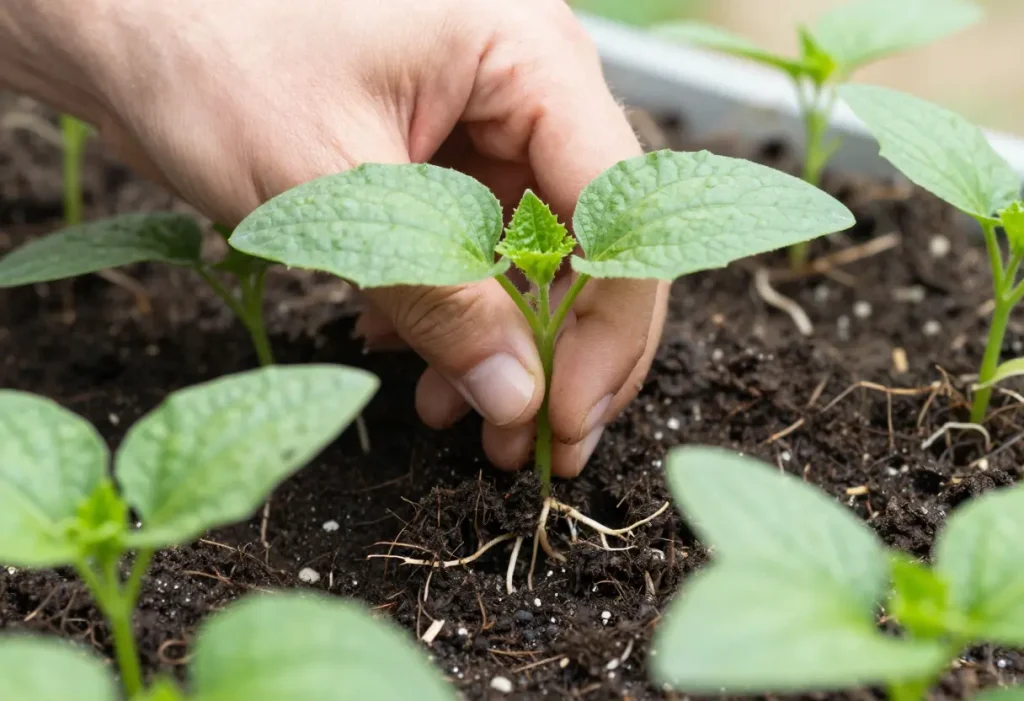
Roots circling inside the pot show seedlings are root bound. This condition stops roots from absorbing nutrients well. Gently check roots by sliding the seedling out of the pot. If roots are tangled and thick, it is time to repot.
Soil that dries out very fast signals a problem. Seedlings in small pots lose moisture quickly. This leaves roots dry and stressed. Moving seedlings to bigger pots helps keep soil moist longer, supporting steady growth.
Knowing the best time to repot cucumber seedlings helps them grow strong and healthy. Repotting too early or too late can slow their development. The right timing supports root growth and prepares plants for the garden.
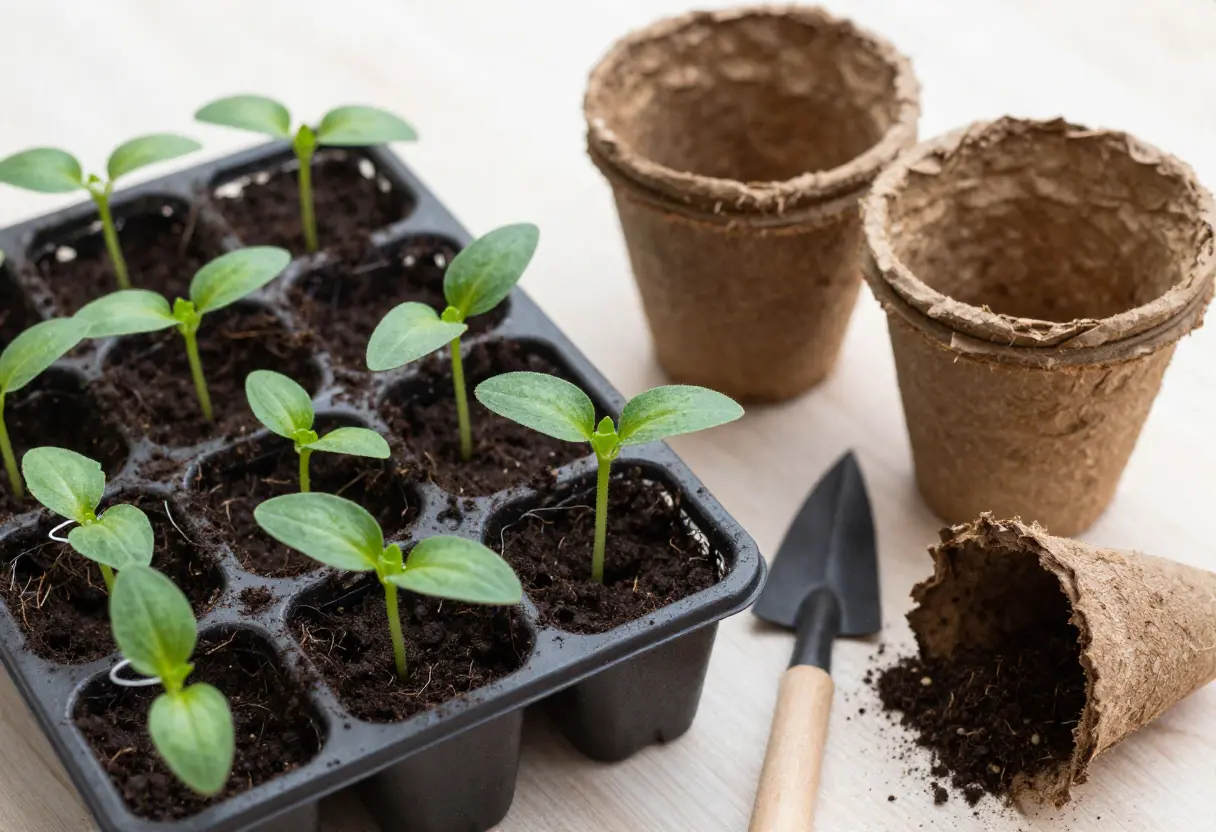
Cucumber seedlings are ready to repot after 2 to 3 weeks. At this age, they usually have 2 to 4 true leaves. True leaves are the ones after the first small seed leaves. Seedlings show good root growth but not too crowded in their pots. This stage allows easy transplant without damage.
Repot cucumber seedlings in warm weather. Cucumber plants like temperatures above 60°F (16°C). Avoid repotting in cold or rainy weather. Spring is the best season for repotting. It gives seedlings enough time to grow before summer heat. Make sure outdoor soil is warm before moving seedlings outside.
Choosing the right pot and soil is key for healthy cucumber seedlings. It helps roots grow well and keeps the plant strong. Good pots and soil improve water use and air flow. This gives seedlings a fresh start after repotting. The right setup also stops root problems and keeps plants growing fast.
Pick a pot that is bigger than the seedling’s current home. A pot about 6 to 8 inches wide works well. It gives roots room to spread. Avoid pots that are too large. They hold too much water and may cause root rot.
Choose pots made from plastic, clay, or fabric. Plastic pots keep moisture well but may trap heat. Clay pots let soil breathe and dry out faster. Fabric pots help air reach roots and stop water from pooling. Each type has its own benefits for seedling growth.
Use soil that drains water quickly but holds some moisture. A mix of potting soil, compost, and sand or perlite works best. This mix keeps roots wet but not soggy. It also gives nutrients for strong growth.
Good drainage stops water from sitting at the bottom. Make sure the pot has holes to let water flow out. Standing water can cause roots to rot and kill seedlings. Light, loose soil helps roots grow deep and wide.
Repotting cucumber seedlings helps them grow strong and healthy. It gives roots more space to spread. The step-by-step repotting process is simple and easy to follow. This guide explains how to prepare seedlings, transfer them safely, and care for them after repotting.
Choose a pot larger than the current one. Make sure it has good drainage holes. Fill the new pot with fresh potting soil. Water the soil lightly to make it moist but not wet. Gently loosen the seedlings in their current container. Check that roots are healthy and not tangled.
Hold the seedling by its leaves, not the stem. Carefully lift the seedling from the old pot. Place it into the new pot at the same soil depth. Add soil around the seedling, pressing gently to remove air pockets. Avoid damaging the roots during the move. Keep the seedling steady while planting.
Water the seedling right after repotting to settle the soil. Keep the soil moist but not soggy. Place the pot in a warm, bright spot without direct sunlight. Watch the seedling for signs of stress or wilting. Avoid fertilizing for one week after repotting. This helps the seedling adjust to its new home.
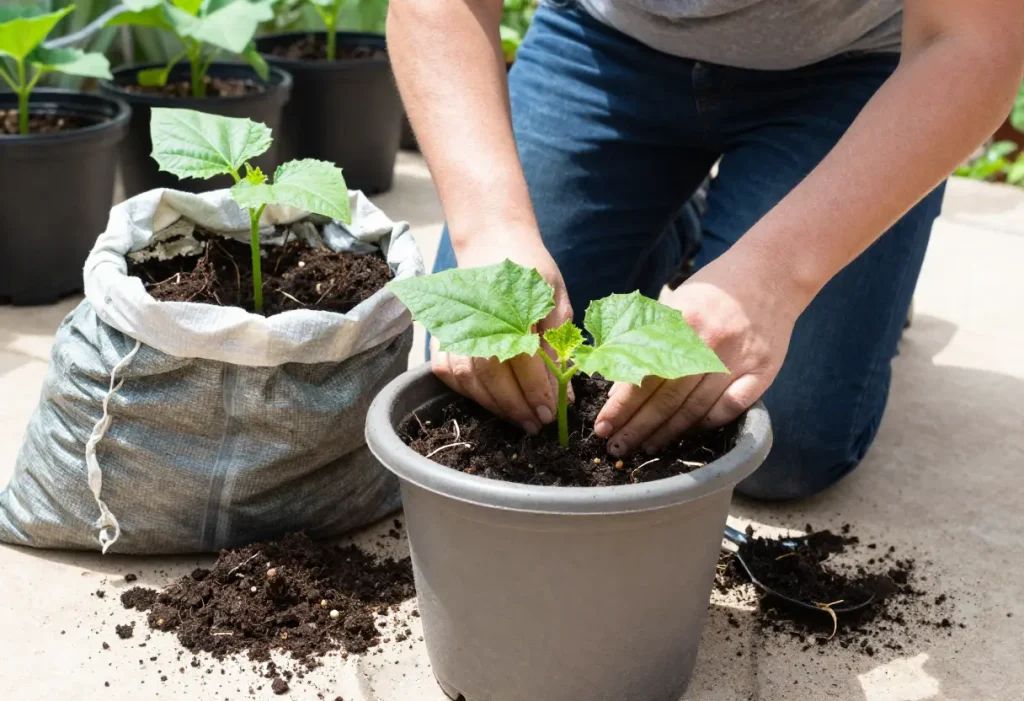
Repotting cucumber seedlings is important for healthy growth. Avoid common mistakes that can harm your plants. These errors can slow growth or even kill seedlings. Knowing what to avoid helps your cucumbers thrive.
Repotting seedlings too early can cause stress. The roots might not be ready to move. They need time to grow strong in their first pot. Repotting too late means roots get crowded. Crowded roots stop the plant from growing well. Watch for root growth and leaf size to choose the right time.
Be gentle when removing seedlings from the pot. Rough handling can break delicate roots. Broken roots slow down water and nutrient uptake. Use a small tool or your fingers carefully. Keep the root ball intact for the best chance of success.
After repotting, avoid watering too much. Wet soil can cause root rot and fungal problems. Seedlings need moist, not soggy, soil. Water lightly and check soil moisture before watering again. Proper watering helps seedlings adjust and grow strong.
Encouraging healthy growth after repotting cucumber seedlings is crucial. The plants need care to recover and thrive. Proper light, temperature, and nutrients help seedlings grow strong roots and leaves. Avoid stress to keep the plants healthy and productive.
Careful attention to pests and diseases also supports healthy growth. This stage sets the foundation for a good harvest. Follow simple steps to give your cucumber seedlings the best start after repotting.
Cucumber seedlings need bright, indirect light after repotting. Too much direct sun can burn young leaves. Place seedlings near a window with filtered sunlight or use grow lights. Keep the temperature between 70°F and 85°F for best growth. Cool or hot conditions slow down development. Maintain steady warmth to help roots establish quickly.
Wait a few days before fertilizing after repotting. The seedlings need time to adjust to new soil. Use a balanced, diluted fertilizer to avoid burning roots. Feed every 7 to 10 days to provide steady nutrients. Choose fertilizer with equal parts nitrogen, phosphorus, and potassium. This supports leaf growth and strong roots.
Check seedlings daily for pests like aphids or spider mites. Remove any insects by hand or with gentle water spray. Keep leaves dry to prevent fungal diseases. Good air circulation helps reduce mold and mildew risks. Use natural pest repellents if needed. Healthy plants resist pests and diseases better.
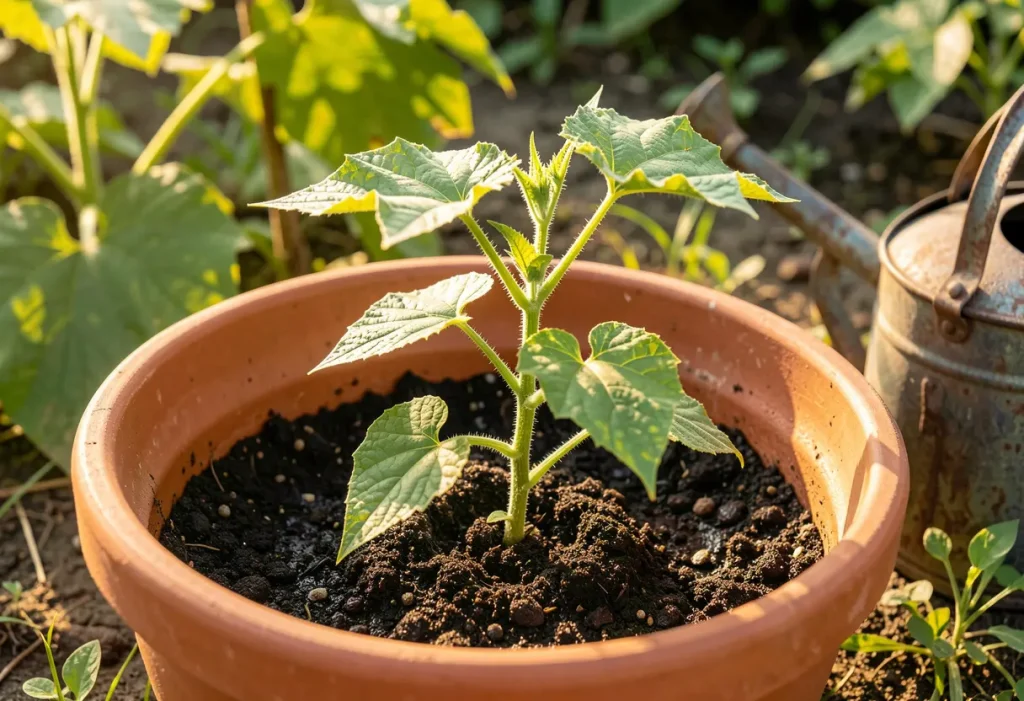
Look for roots growing out of drainage holes. Seedlings may also look crowded or stop growing well.
Choose a pot 3 to 4 inches wide. This size lets roots grow without staying too small.
Usually after 2 to 3 weeks from planting seeds. Repot once seedlings have 2-3 true leaves.
Repotting can stress seedlings if done roughly. Handle roots gently and water after repotting to help.
Use light, well-draining soil rich in organic matter. Avoid heavy or waterlogged soils that harm roots.
Healthy cucumber plants need space to grow strong roots. Repot seedlings when roots crowd the small pot. This helps plants absorb more water and nutrients. Watch for roots growing out of drainage holes. Choose a bigger pot with fresh soil for transplanting.
Handle seedlings gently to avoid damage. Repotting at the right time gives cucumbers a better start. A little care now means a bigger harvest later. Keep an eye on your plants and act when needed. Your garden will thank you with fresh, tasty cucumbers.