Gardening Made Simple.
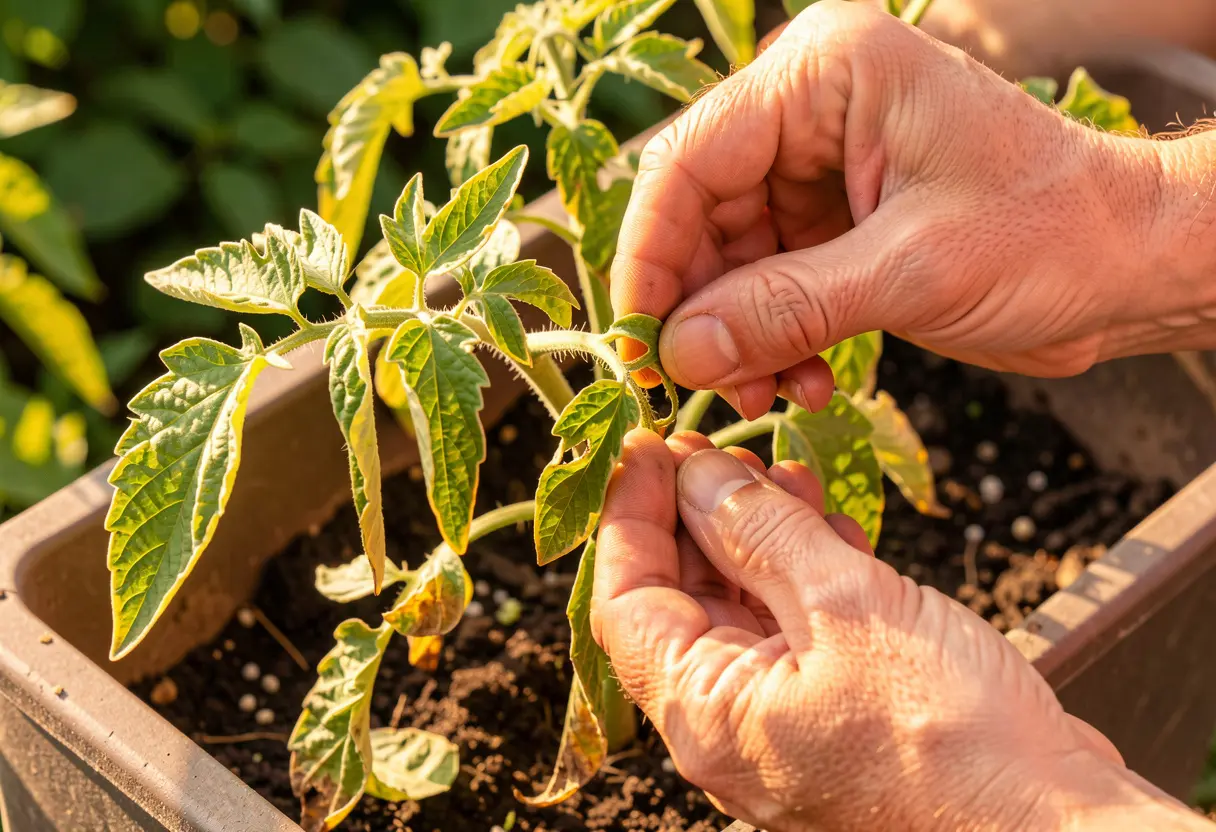
Are you noticing your tomato plant leaves curling and wondering what’s going on? It can be frustrating to see your healthy plants suddenly look stressed or damaged, but understanding the causes and solutions can help your tomatoes recover and thrive.
But don’t worry—you’re not alone, and this is a common problem that many gardeners face. Understanding why your tomato leaves curl is the first step to saving your plants and getting them back to thriving. Keep reading, and you’ll discover simple, effective ways to identify the cause and fix the issue before it’s too late.
Your tomatoes deserve the best care, and you’re just moments away from giving it to them.
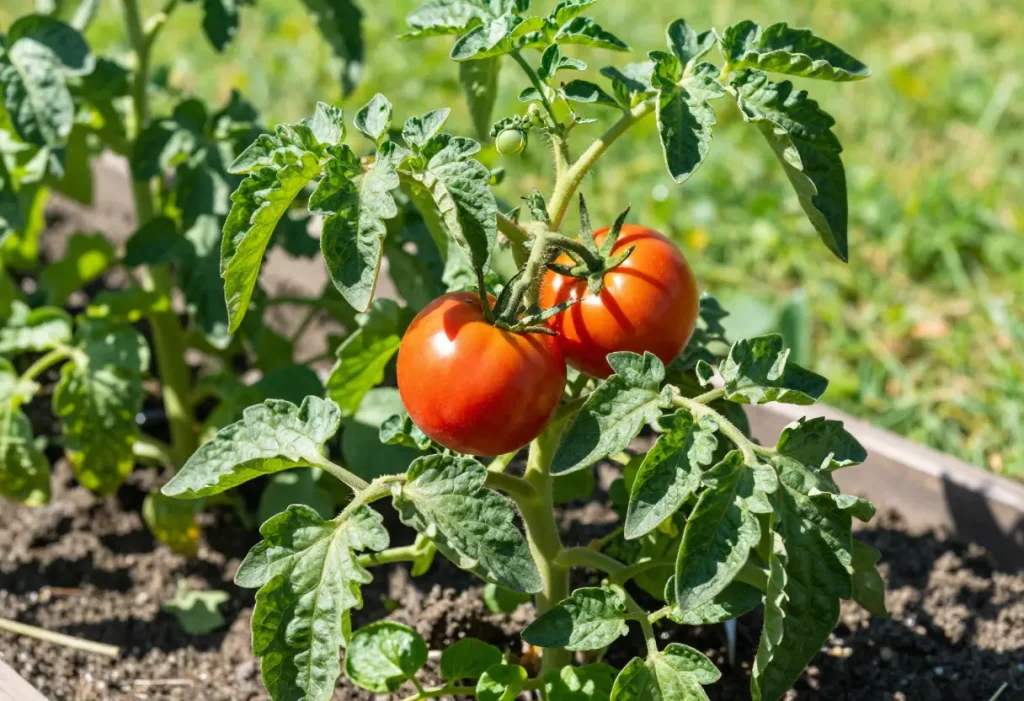
Tomato plant leaves curl for several reasons. Identifying the cause helps protect your plants. Some causes are pests, water, nutrients, or environment. Understanding these helps you fix the problem fast.
Pests like aphids, whiteflies, and spider mites suck sap. This stress causes leaves to curl tightly. Check the undersides of leaves for small bugs. Early pest control stops damage and leaf curling.
Too little or too much water affects leaves. Dry soil causes leaves to curl and wilt. Overwatering leads to root problems, which also curl leaves. Keep soil moist but not soggy for healthy leaves.
Lack of nutrients like calcium or magnesium causes curling. Leaves may also turn yellow or brown. Fertilize with balanced nutrients to keep leaves strong. Test soil to find missing nutrients early.
Heat, wind, and too much sun stress tomato plants. Leaves curl to protect themselves from damage. Sudden temperature changes can also cause curling. Plant in a good spot with some shade if needed.
Tomato plant leaves curl for many reasons. One main cause is pests. Identifying pests helps treat the problem fast. Small bugs suck juice from leaves. This makes leaves curl and look sick. Watch your plants closely. Spot signs of pests early to save your tomatoes.
Aphids are tiny, soft-bodied bugs. They cluster on new leaves and stems. These pests suck sap, causing leaves to curl. Aphids leave behind sticky honeydew. This can attract ants and mold. Check leaves for small green, black, or white bugs. Squash or wash them off gently.
Whiteflies are small, white flying insects. They hide under the leaves. Whiteflies feed on plant sap. This causes yellowing and leaf curling. When disturbed, they fly in clouds. Use a white sheet to catch them. Sticky traps also work well to control whiteflies.
Spider mites are tiny and hard to see. They live on the undersides of leaves. These pests cause speckled yellow spots and curling. Fine webs might cover the leaves. Use a magnifying glass to spot them. Spray water or insect soap to remove spider mites.
Watering plays a key role in preventing tomato plant leaves from curling. Proper watering helps plants stay healthy and strong. It keeps soil moisture balanced and roots happy. This section explains simple watering techniques to avoid leaf curling.
Water tomato plants regularly but not too often. Check soil moisture before watering. Water deeply once or twice a week. Shallow watering causes weak roots and leaf problems. Adjust watering frequency based on weather and soil type.
Too much water can harm tomato plants. Overwatering leads to root rot and curling leaves. Water only when the top inch of soil feels dry. Use containers with good drainage to stop water buildup. Let soil dry slightly between watering sessions.
Keep soil evenly moist for healthy tomato plants. Mulch around plants to keep moisture steady. Mulch reduces water evaporation and cools soil. Avoid soggy soil by improving drainage with organic matter. Consistent soil moisture prevents stress and leaf curling.
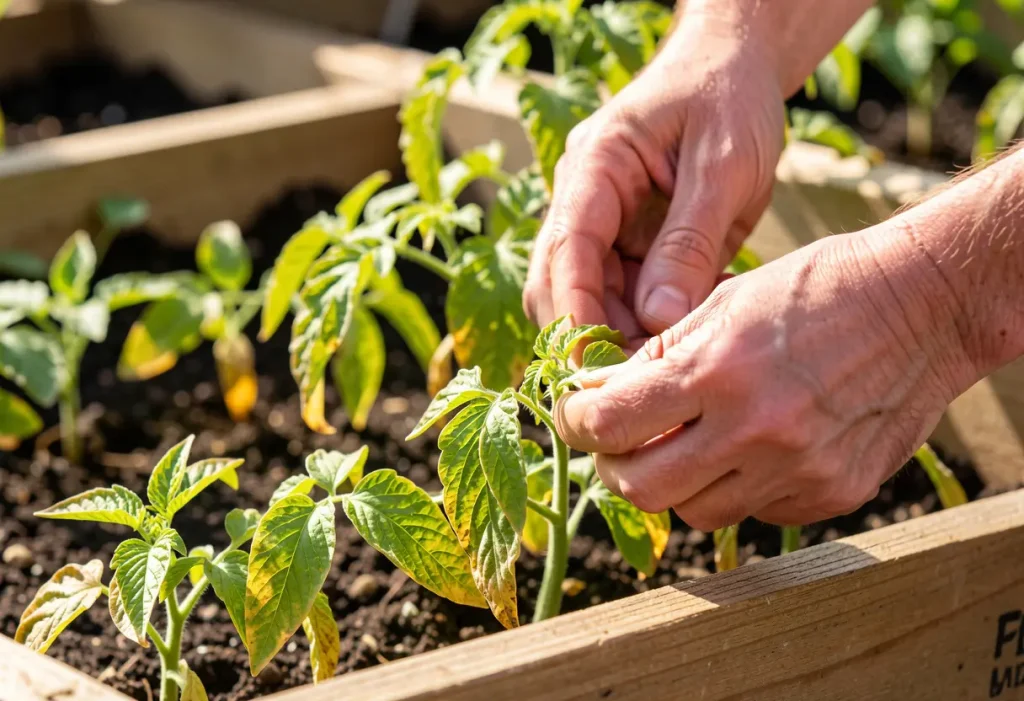
Proper nutrient management keeps tomato leaves healthy and green. Nutrients help plants grow strong and resist curling. Without enough nutrients, leaves may curl, turn yellow, or die. Knowing which nutrients your tomato plants need improves their health and yield.
Tomato plants need nitrogen, phosphorus, and potassium most. Nitrogen helps leaves grow green and lush. Phosphorus supports root and flower development. Potassium strengthens the plant’s overall health and fruit quality. Calcium prevents leaf curl and blossom end rot. Magnesium keeps leaves green by aiding photosynthesis. A balance of these nutrients is key.
Test soil before planting tomatoes. Soil tests show nutrient levels and pH balance. Tomatoes prefer slightly acidic soil, pH between 6.0 and 6.8. Soil testing helps avoid over or under fertilizing. Use simple soil test kits or send samples to labs. Knowing soil health guides better nutrient management.
Choose fertilizers based on soil test results. Use balanced fertilizers with N-P-K ratios like 10-10-10 or 5-10-10. Apply fertilizer evenly around the plant base. Avoid excessive nitrogen to prevent leaf curl from overgrowth. Organic options like compost or fish emulsion work well. Feed plants regularly every 3 to 4 weeks during growing season.
Tomato plants often curl their leaves as a response to stress from the environment. Managing these stresses helps keep plants healthy and productive. Stress from heat, light, and wind can cause leaves to curl and affect growth.
Tomato plants prefer temperatures between 70 and 85 degrees Fahrenheit. Too much heat makes leaves curl to save water. Use shade cloth or move pots to cooler spots during hot days. Avoid cold drafts that can also stress the plants. Keep soil moist to help plants handle heat better.
Tomatoes need full sun but too much can harm them. Intense sunlight can cause leaf curl and sunburn. Provide partial shade during the hottest hours. Use light-colored mulch to reflect sunlight and keep roots cool. Watch plants closely and adjust light as needed.
Strong winds dry out tomato leaves quickly. This causes curling and leaf damage. Plant tomatoes near a fence or wall to block wind. Use garden fabric or windbreaks for open areas. Regular watering helps plants recover from wind stress faster.
Tomato plant leaves curl for many reasons. Natural remedies help treat this problem safely. These methods use simple, eco-friendly ingredients. They protect your garden without harsh chemicals. Use these tips to keep your tomato plants healthy and strong.
Homemade pesticides fight pests that cause leaf curling. Mix garlic, soap, and water in a spray bottle. Spray this on tomato leaves to remove insects. Neem oil also works well to stop pests. Use these sprays once a week for best results.
Organic fertilizers feed your tomato plants naturally. Compost and manure add nutrients without chemicals. These fertilizers improve soil health and plant growth. Apply them around the base of the plants. Healthy soil means strong leaves that do not curl.
Plant certain herbs and flowers near tomatoes to protect them. Basil, marigold, and garlic keep pests away naturally. These plants attract helpful insects to your garden. They create a natural defense for tomato plants. Companion planting helps reduce leaf curl problems.
Tomato plant leaves curling can sometimes be a sign of serious problems. Knowing when to seek professional help can save your plants from damage. Experts can diagnose issues faster and suggest the right treatment.
If leaf curling lasts more than two weeks, it needs expert attention. Continuous curling may signal disease or poor plant health. Professionals can identify hidden problems that are hard to see.
Some pests are tough to control with home remedies. Specialists use safe and effective methods to remove harmful insects. They also prevent pests from returning and causing more damage.
Soil problems can cause leaf curling too. Experts test soil for nutrients and pH balance. They offer advice to improve soil and help plants grow strong.
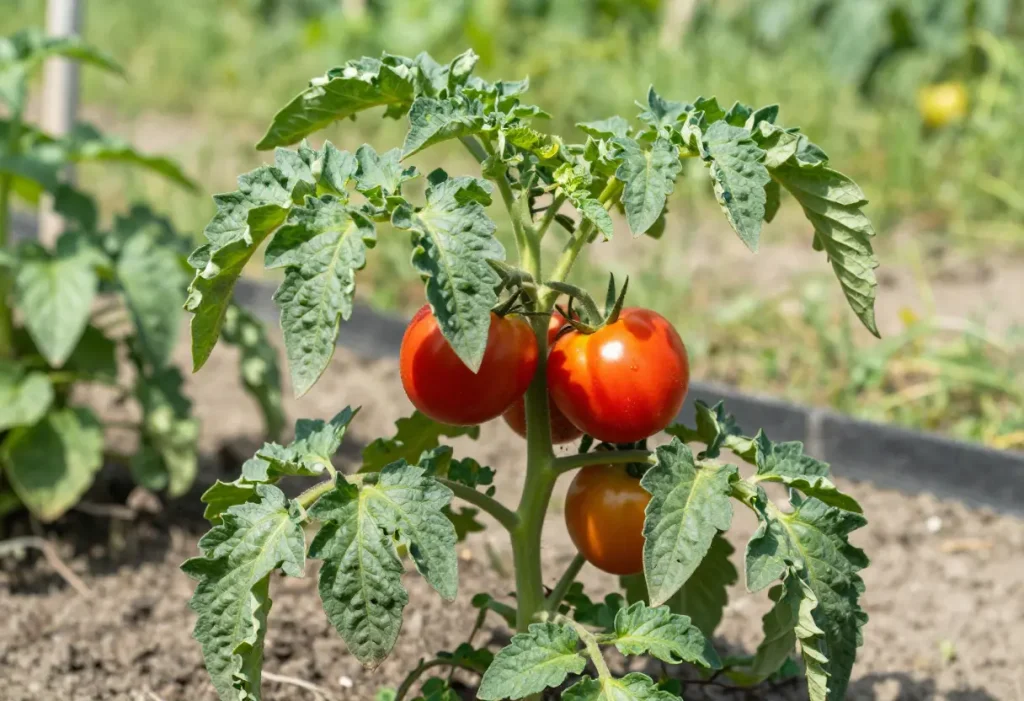
Tomato leaves curl due to stress from heat, pests, or water problems.
Yes, pests like aphids and whiteflies suck sap, causing leaves to curl.
Too much water can drown roots, making leaves curl and wilt.
Hot, dry, or windy weather stresses plants, causing leaves to curl to save moisture.
Leaf curling can reduce photosynthesis, leading to fewer or smaller tomatoes.
Tomato leaves curl for many reasons. Check water and light levels first. Pests and diseases also cause curling. Healthy soil helps plants grow strong. Regular care keeps leaves green and firm. Watch your plants every day. Catch problems early to save your crop.
Simple steps make a big difference. Keep your tomatoes happy and healthy. Growing tomatoes can be fun and rewarding.